How Jewelry Buyers Calculate Prices: What Really Determines Your Jewelry’s Value
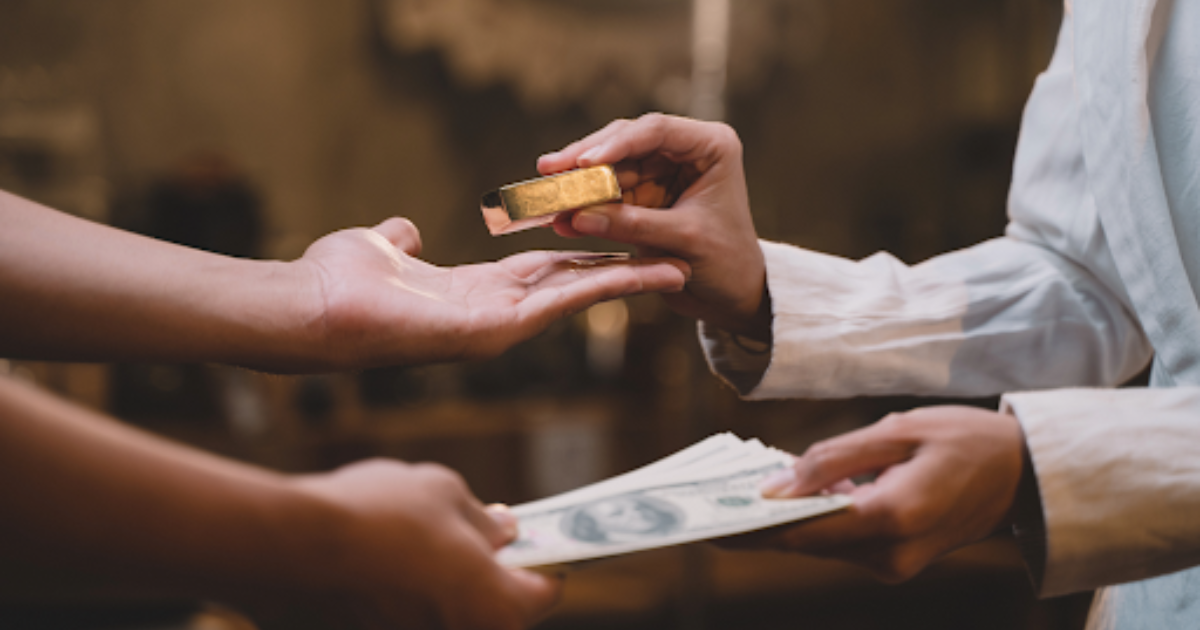
If you’ve ever thought about selling a piece of jewelry, you’ve probably wondered how buyers decide what it’s worth. Understanding how jewelry buyers calculate prices can help you walk into any evaluation with clarity and confidence. And when you know the factors that go into an offer, you can make smarter decisions about when, where, and how to sell your jewelry.
Jewelry value isn’t random. Every offer is based on measurable qualities, from metal purity to gemstone grading to current market conditions. But unless you work with a transparent buyer, these details may not be explained to you clearly. That’s why gaining your own understanding is so empowering. You’ll be able to recognize a fair offer, ask the right questions, and avoid undervaluing pieces that hold real worth.
To give you a complete look at the process, here’s a breakdown of what actually goes into calculating jewelry prices. And if you ever want a professional evaluation done with full transparency, the specialists at Ayan Jewelry are always prepared to assist.
Metal Purity and Weight
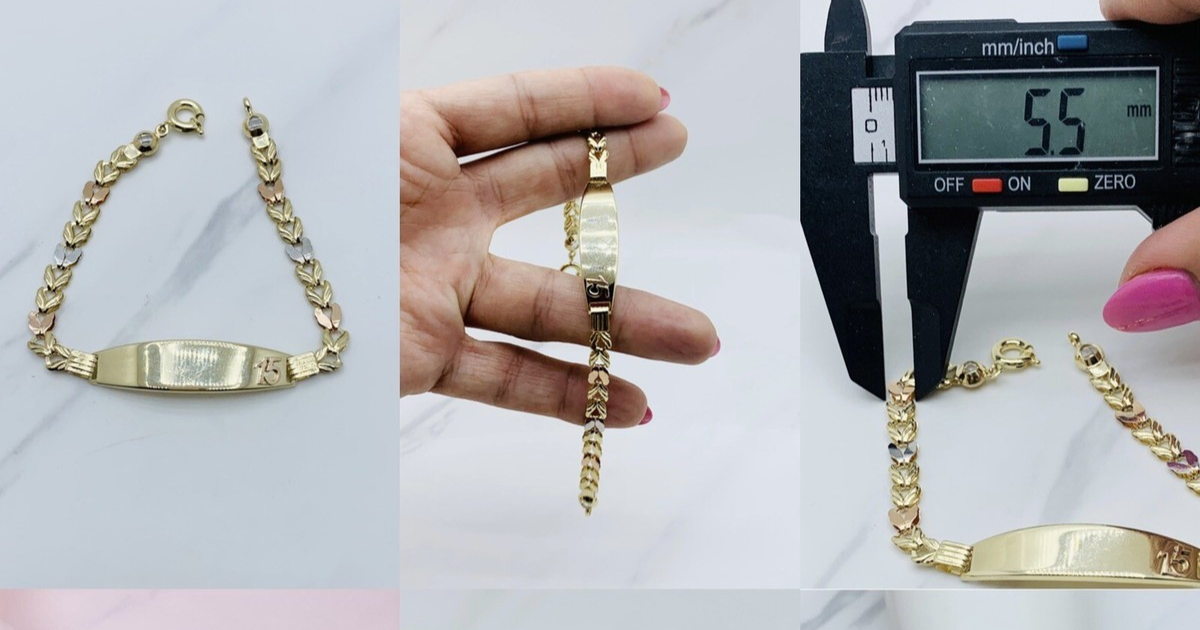
One of the most foundational steps in understanding how jewelry buyers calculate prices is knowing how much precious metal is in your jewelry. Gold, platinum, and silver are bought and sold based on purity and weight. That’s why buyers take time to test your items before making an offer.
For gold, you may see marks such as 10K, 14K, or 18K. The higher the karat, the more gold the piece contains, and the more valuable it is. Buyers also weigh the piece without stones to determine the metal’s true value. This metal value forms the baseline of any offer.
The current market price, often referred to as the “spot price”, fluctuates daily, and buyers factor that into their final amount.
Gemstone Quality
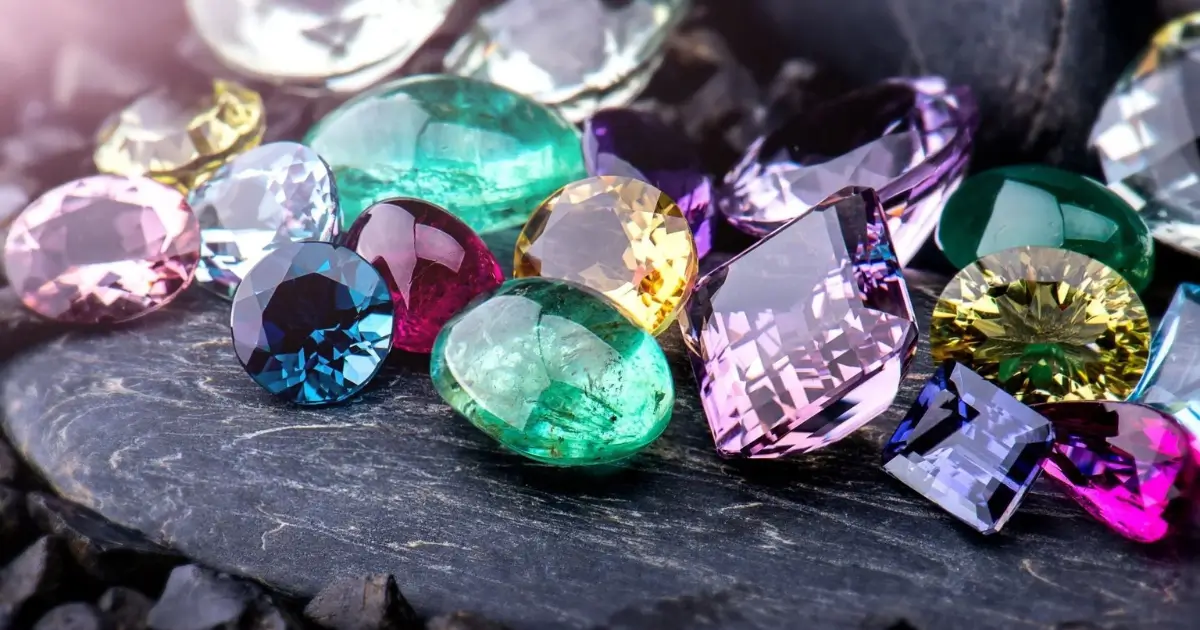
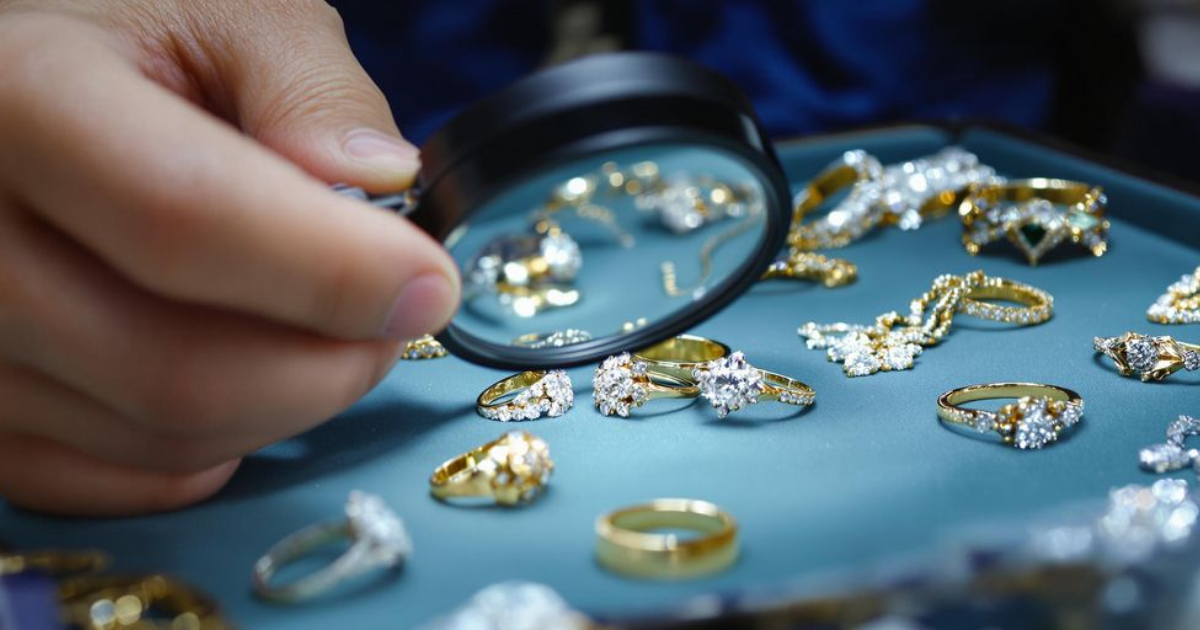
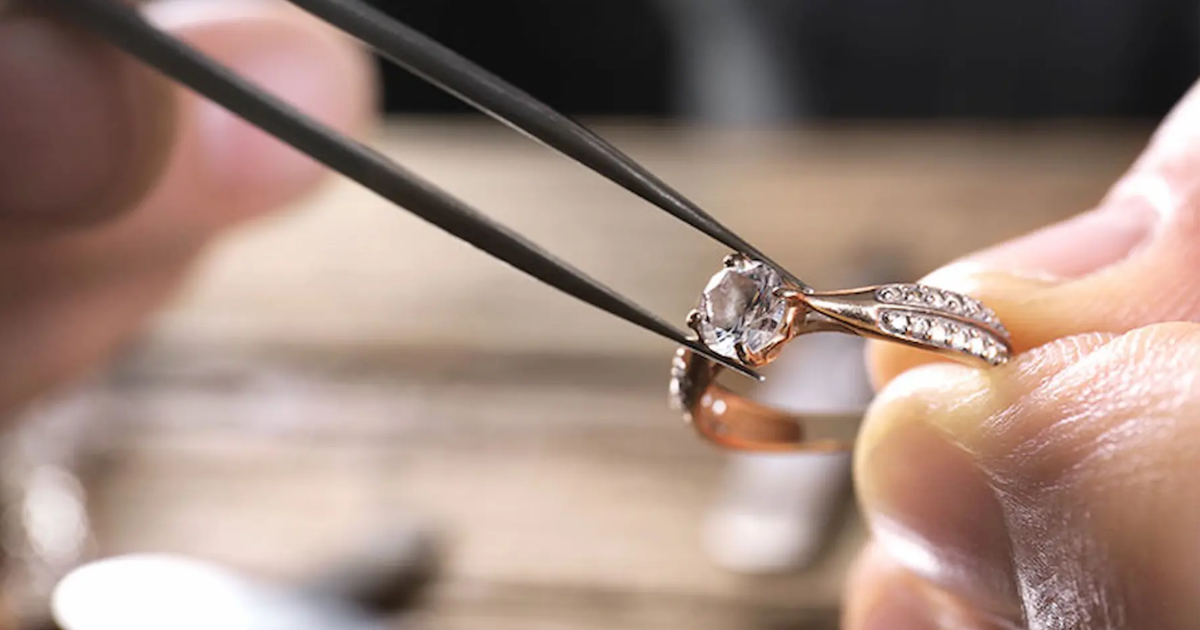
If your jewelry contains diamonds or colored gemstones, those stones can significantly impact value. Buyers consider characteristics like carat weight, color, clarity, and cut. These four factors together determine the overall quality of the gemstone.
A diamond with a high clarity grade and excellent cut will be worth more than one with visible inclusions or poor proportions. Colored stones, such as emeralds or sapphires, also vary in value based on hue, saturation, and transparency.
Brand, Craftsmanship, and Design
Not all jewelry is valued solely for its materials. Designer brands and handcrafted pieces often carry additional value. If your item is from Cartier, Tiffany & Co., Bvlgari, or another luxury house, buyers take that into account.
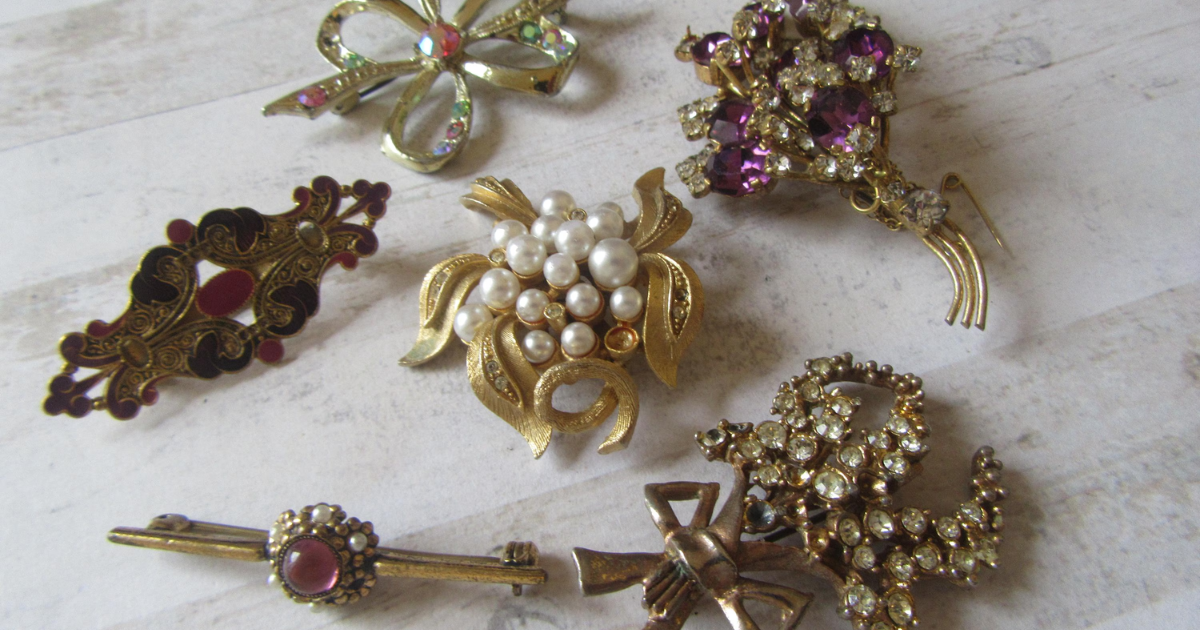
Craftsmanship also matters. Intricate metalwork, antique design elements, and handmade components contribute to value, even when metal or gemstone content is moderate. In estate jewelry, age and rarity can significantly increase desirability among buyers.
Condition and Repair Needs
Jewelry buyers evaluate the condition of your piece carefully. A ring with loose prongs, dull stones, or broken clasps may require repairs that affect the offer.
A well-maintained item usually receives a higher value because it reflects careful ownership and is easier to resell. Understanding how condition affects value helps clarify how jewelry buyers calculate prices during an evaluation.
Market Demand and Trends
The jewelry market changes frequently. Certain styles, gemstones, or time periods become more desirable depending on current demand. For example, vintage engagement rings or certain colored diamonds may be trending, increasing their value for a time.
Buyers consider whether your piece is currently in demand, particularly for diamonds, estate pieces, and luxury watches. Knowing these trends helps you understand why two similar pieces might receive different offers at different times.
Authenticity and Documentation
When you bring certificates, appraisals, original boxes, or brand paperwork, you make the buyer’s job easier and often increase your offer. Documents that verify gemstone quality or brand authenticity can significantly impact value.
This step is especially important for luxury watches and high-end designer jewelry.
Conclusion
Understanding how jewelry buyers calculate prices gives you greater control over your selling experience. When you know how metal weight, gemstone quality, craftsmanship, condition, and market trends work together, the process becomes transparent instead of intimidating.
If you’re ready to sell your jewelry and want a clear, fair, and professional evaluation, contact Ayan Jewelry for a trusted assessment and competitive offer.