How Gold Purity Is Measured and Why It Matters When You Sell
If you own gold jewelry, you’ve probably noticed stamps like 10K, 14K, or 18K and wondered what they actually mean. Understanding gold purity and how it’s measured gives you clarity about what your jewelry contains and why different pieces can have very different values, even when they look similar.
Gold purity affects everything from durability to resale price. Buyers rely on precise measurements to determine how much pure gold is present, which directly impacts what they’re willing to pay. When you understand the basics, you’re far better prepared to evaluate offers and ask the right questions.
Before selling or appraising any gold jewelry, it helps to know exactly how gold purity is measured and how professionals apply that knowledge in real-world evaluations.
What Gold Purity Really Means
Pure gold is naturally soft, which is why it’s often mixed with other metals to create stronger jewelry. Gold purity refers to how much pure gold exists in a piece compared to other metals like copper, silver, or zinc.
This ratio is measured using the karat system. In this system, 24K represents nearly pure gold, while lower karats contain less gold and more alloy. Understanding this system is the foundation of measuring gold purity in the jewelry industry.
The Karat System Explained Simply
The karat scale is based on 24 parts. If a piece is marked 18K, that means 18 parts out of 24 are pure gold. The remaining six parts are other metals added for strength and durability.
This is why 14K gold is often used for everyday jewelry. It contains less gold than 18K but is more resistant to wear. Knowing this helps explain how gold purity is measured and why different karats behave differently over time.
How Professionals Test Gold Purity
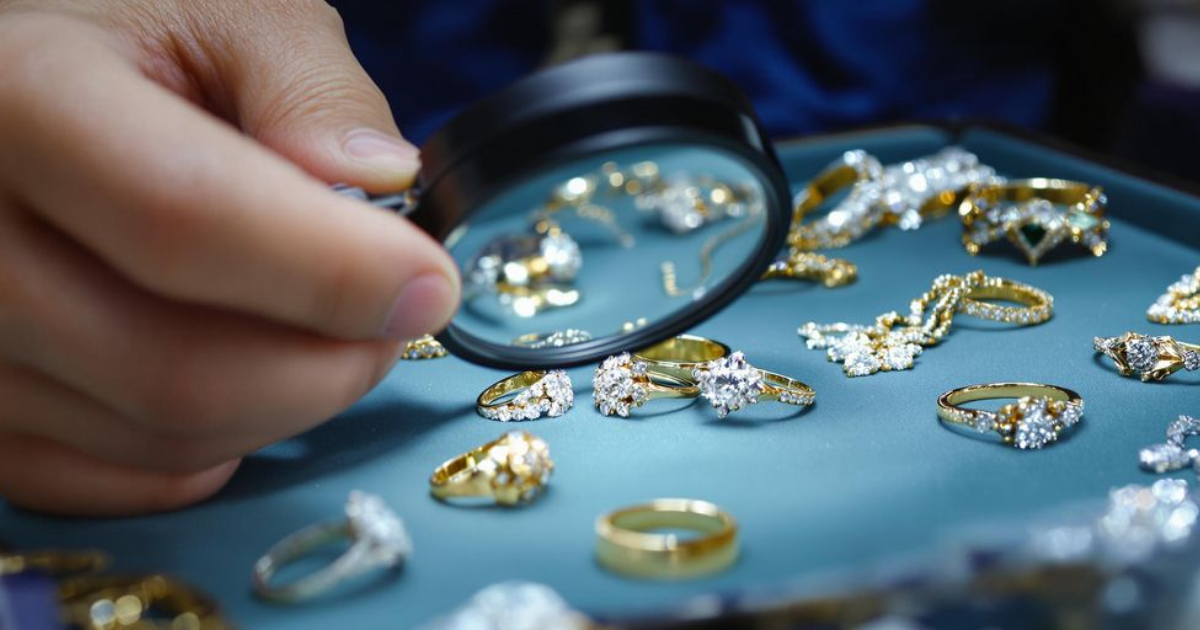
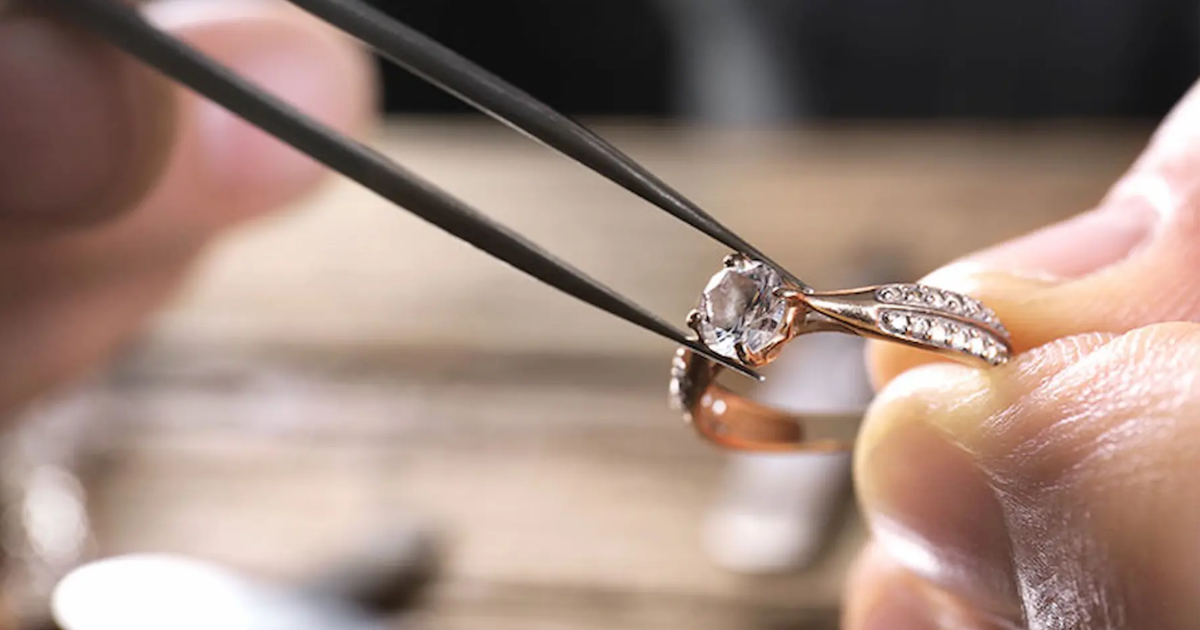
While stamps provide clues, professionals don’t rely on markings alone. Over time, stamps can wear down or be misleading. Buyers use specialized tools to verify purity accurately.
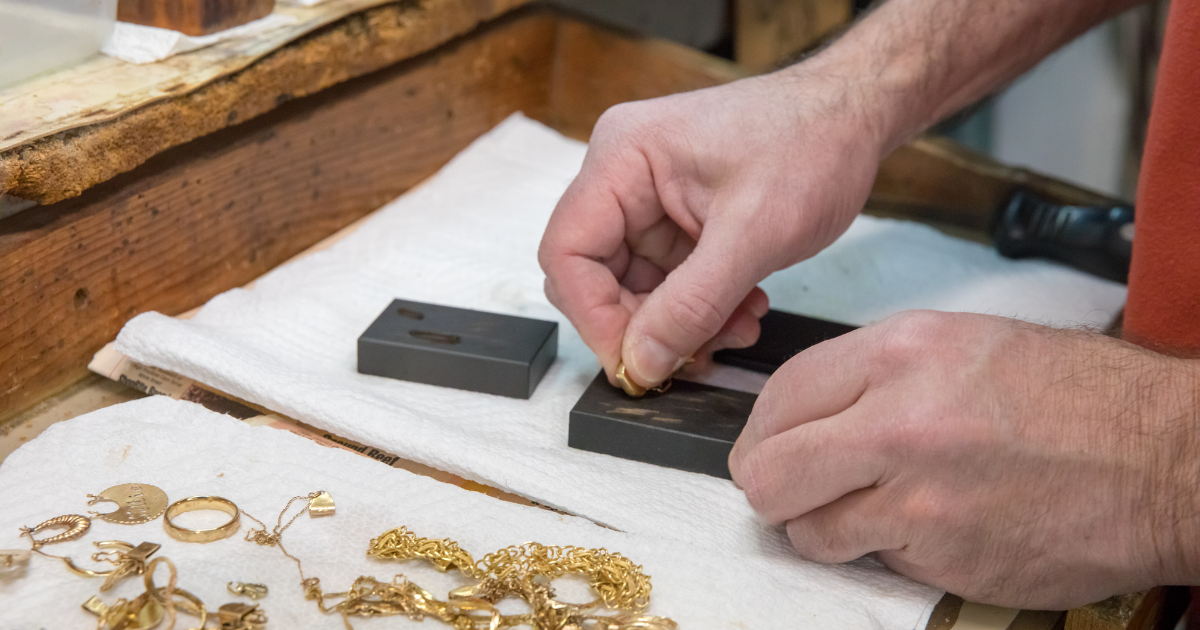
One common method involves acid testing, where small amounts of acid react differently depending on the gold content. Another method uses electronic testers that measure conductivity. These techniques ensure precision when determining gold purity, especially for resale purposes.
This testing process protects both the buyer and the seller by confirming authenticity.
Why Purity Affects Resale Value
Gold buyers base offers on how much pure gold is present, not how large or shiny a piece appears. A heavier chain with lower purity may be worth less than a lighter piece with higher purity.
This is why understanding how gold purity is measured matters when selling. It explains why two similar-looking items may receive very different offers. Purity, combined with weight and current market price, forms the core of gold valuation.
Experienced professionals, such as those at Ayan Jewelry, clearly explain how purity testing impacts pricing so sellers understand exactly how value is determined.
Common Misconceptions About Gold Purity
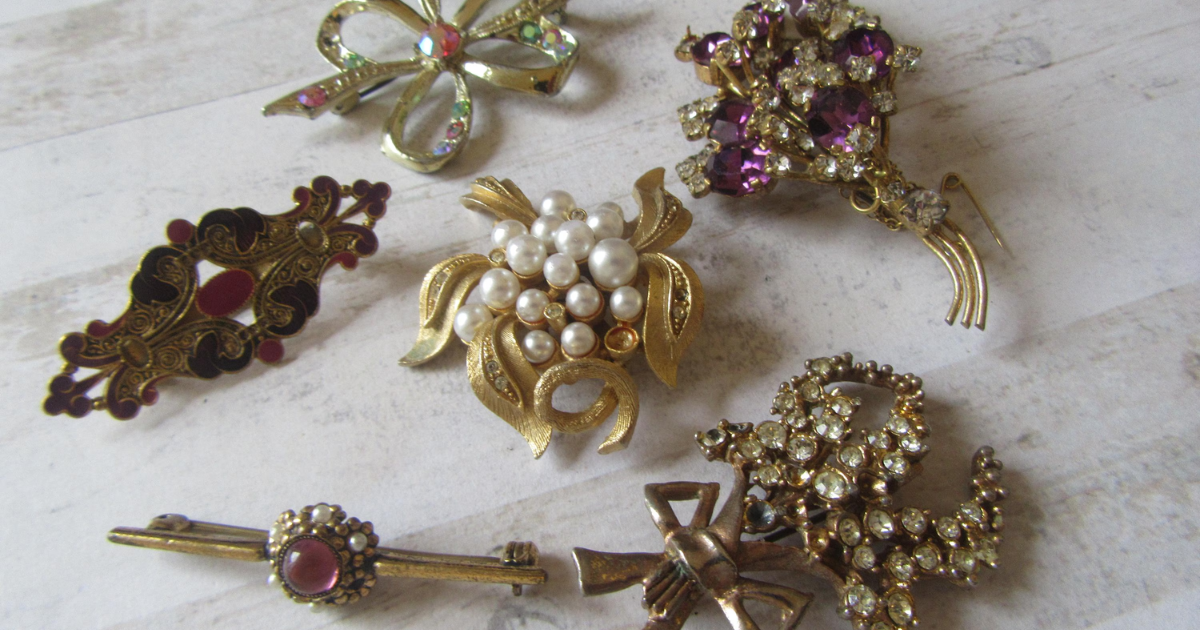
Many people assume older jewelry is purer or more valuable, but that isn’t always true. Vintage and antique pieces were often made in lower karats for durability. Others believe brighter gold always means higher purity, which is also misleading.
Final Note
Knowing how gold purity is measured empowers you to approach selling with confidence instead of uncertainty. Karat content, testing methods, and purity ratios all play a role in determining what your gold is worth.
If you’re considering selling gold jewelry and want a transparent explanation of purity and value, contact us or visit us to get a measurement of your jewelry’s gold purity.