How Diamonds Are Valued and Why Every Detail Matters
If you’ve ever wondered why two diamonds that look similar can receive very different offers, you’re not alone. Understanding how diamonds are valued can feel confusing at first, especially when you’re preparing to sell. Yet once you know what professionals look for, the process becomes much clearer and far less intimidating.
When you sell a diamond, you are not just selling a stone. You are selling a combination of rarity, quality, and market demand. Knowing the value of diamonds helps you set realistic expectations and avoid surprises during the evaluation process.
Let’s walk through how professionals assess diamonds and why each factor plays a role in the final price.
The Foundation of Diamond Value Starts with the Four Cs
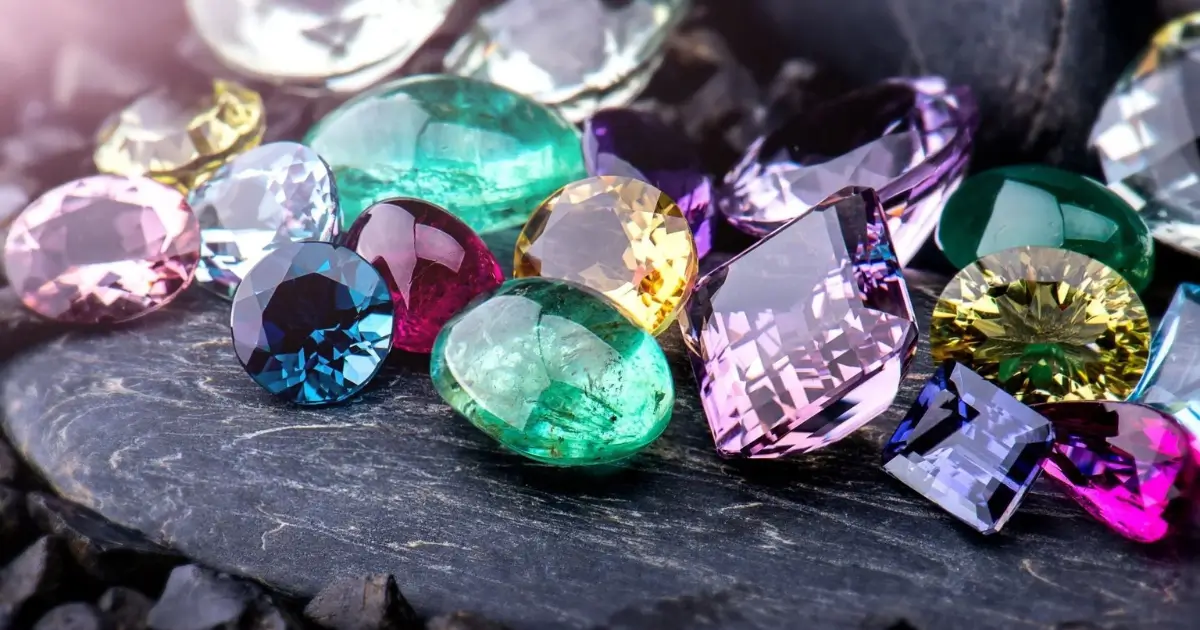
At the core of how diamonds are valued is the globally recognized Four Cs: carat weight, color, clarity, and cut. These characteristics create a universal language that buyers and gemologists use to assess quality.
Carat weight affects value because larger diamonds are rarer. Color refers to how colorless a diamond appears, with fewer color tones generally commanding higher prices. Clarity measures internal and external characteristics, while cut reflects how well the diamond interacts with light. Cut often has the greatest visual impact and can dramatically influence desirability.
Understanding these elements helps you see why two diamonds of the same size can be priced very differently.
Market Conditions Play a Bigger Role Than You Might Expect
Beyond the Four Cs, diamond value also depends on current market conditions. Diamond prices fluctuate based on supply, demand, and consumer preferences. Certain shapes, such as round brilliant or oval cuts, often carry stronger resale value due to consistent demand.
Trends also influence pricing. For example, vintage styles or larger natural diamonds may see increased interest during certain market cycles. Professional buyers stay informed on these changes so offers reflect real-time value rather than outdated pricing models.
This is one reason selling to an experienced buyer matters.
Certification Adds Confidence, Not Automatic Value
A grading report from a respected laboratory like GIA does not guarantee a higher price, but it does provide trusted documentation. Certification confirms quality characteristics, which helps buyers verify how diamonds are valued without relying solely on visual inspection.
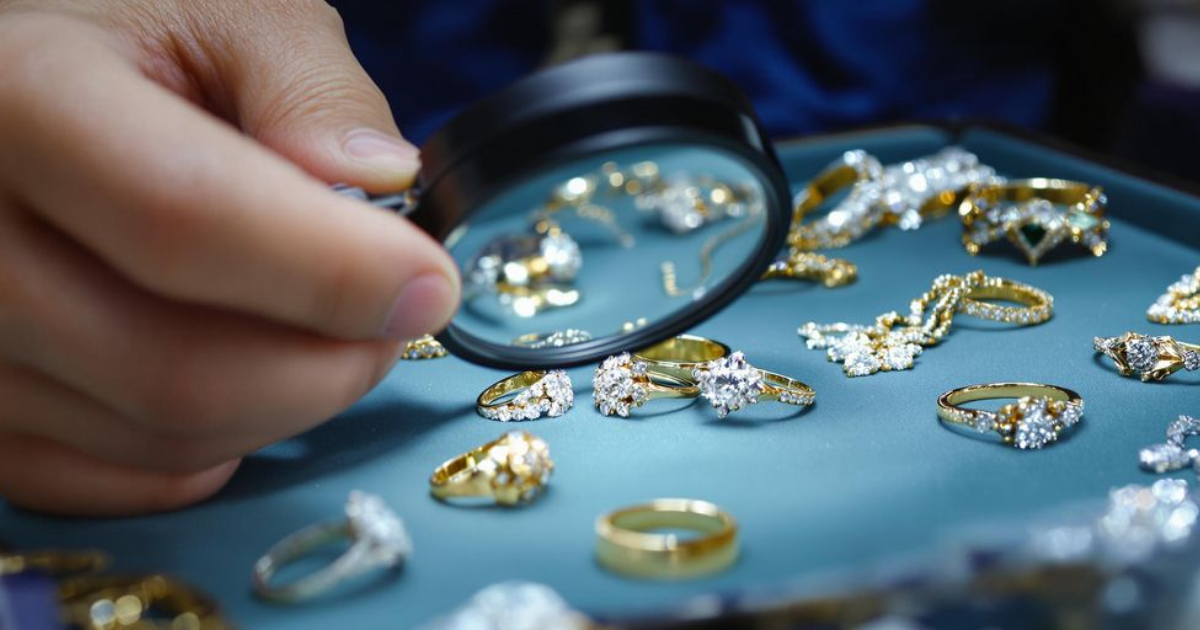
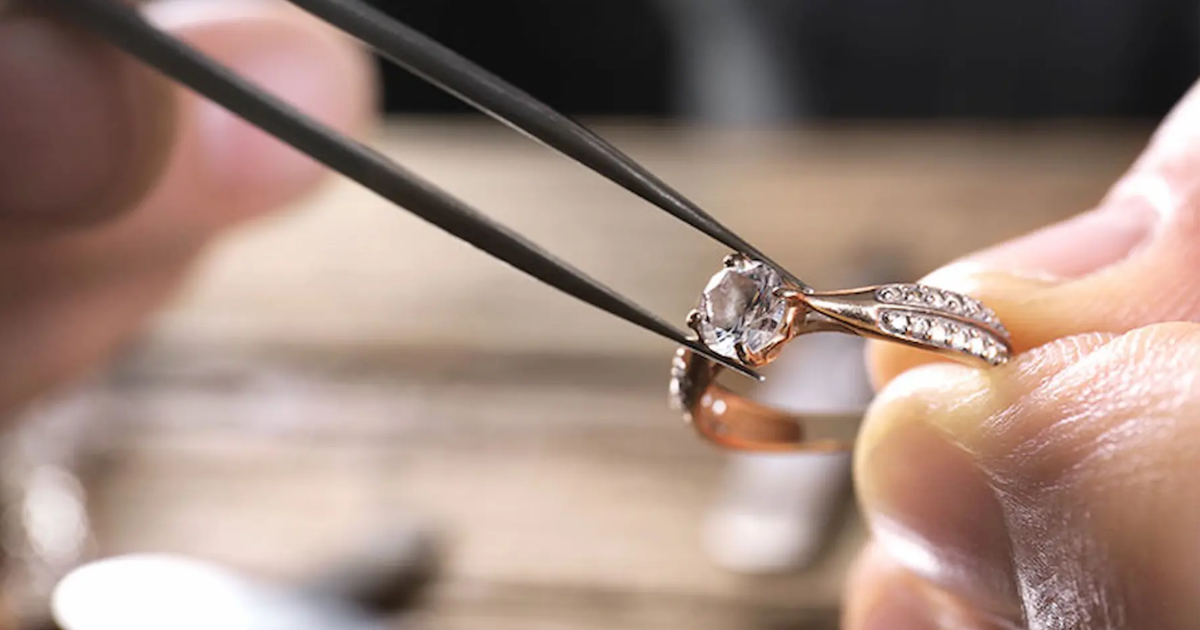
That said, uncertified diamonds can still be accurately assessed. Skilled gemologists can evaluate stones in-house and provide fair market offers based on measurable traits and experience.
At Ayan Jewelry, evaluations focus on both documented details and practical market insight so sellers understand how pricing is determined.
Why Two Offers Can Look Very Different
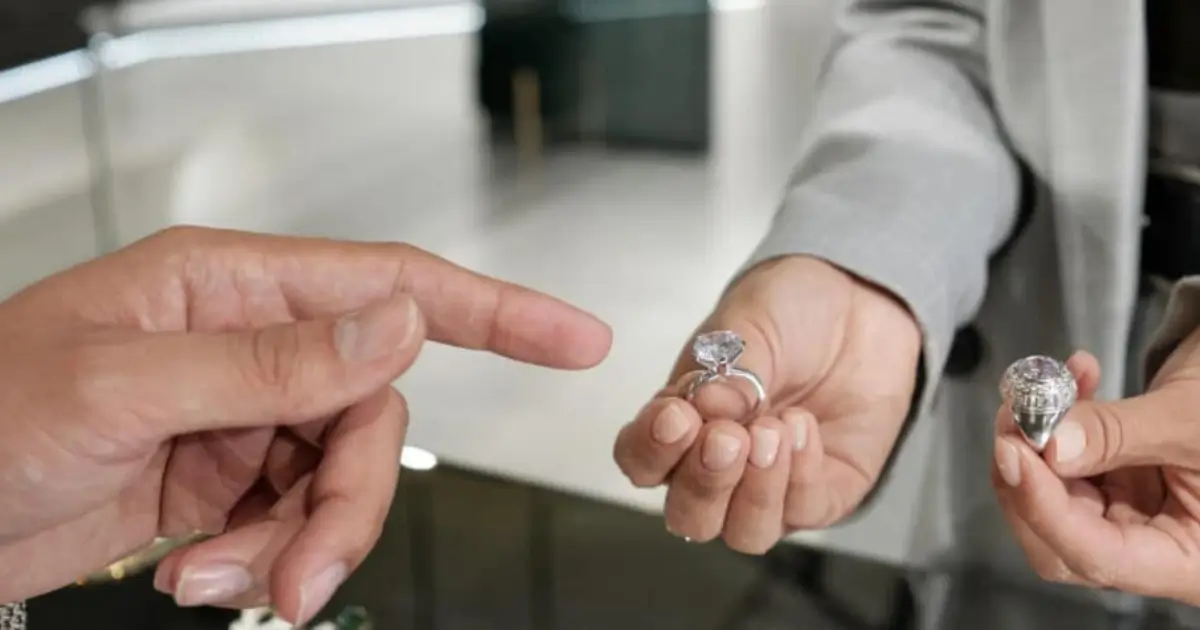
It’s common for sellers to receive varying offers for the same diamond. This doesn’t mean one buyer is wrong. It reflects differences in overhead, specialization, and resale channels. Some buyers focus only on material value, while others understand design, rarity, and secondary market demand.
Final Note
When you understand how diamonds are valued, you approach selling with clarity and confidence. Every detail matters, from cut quality to market timing.
If you’re thinking about selling a diamond, speak with the experts at Ayan Jewelry to receive an informed evaluation based on today’s market. Reach out to us today.