How To Avoid Scams When Selling Jewelry: A Smart Seller’s Checklist
Selling jewelry should feel empowering, not stressful. Yet many sellers walk into the process unsure of whom to trust or how to spot red flags. Knowing how to avoid scams when selling jewelry gives you control, confidence, and clarity before you hand over anything valuable.
Whether you’re selling estate pieces, gold, diamonds, or a single ring, scammers rely on rushed decisions and missing information. The good news is that once you know what to look for, most scams are easy to spot.
Let’s walk through a clear, practical checklist so you can move forward with confidence.
1. Make Sure the Buyer Explains Their Pricing Clearly
One of the simplest ways to understand how to avoid scams when selling jewelry is to pay attention to how pricing is explained. Reputable buyers will walk you through how they arrive at an offer. They won’t rush, dodge questions, or rely on vague explanations.
If someone gives you a number without explaining weight, purity, condition, or market value, that’s a warning sign. Transparency matters, especially when you’re dealing with items that hold both monetary and emotional value.
Trusted professionals, such as those at Ayan Jewelry, focus on education so you understand the process, not just the price.
2. Be Cautious of Pressure Tactics
Pressure is a classic tool scammers use. If you’re told an offer is “only good for today” or pushed to sell immediately, pause. Understanding how to avoid scams when selling jewelry means knowing when to slow the process down.
A legitimate buyer understands that selling jewelry is a big decision. They give you time to think, ask questions, and compare options. Feeling rushed usually benefits the buyer, not you.
3. Verify Credentials and Experience
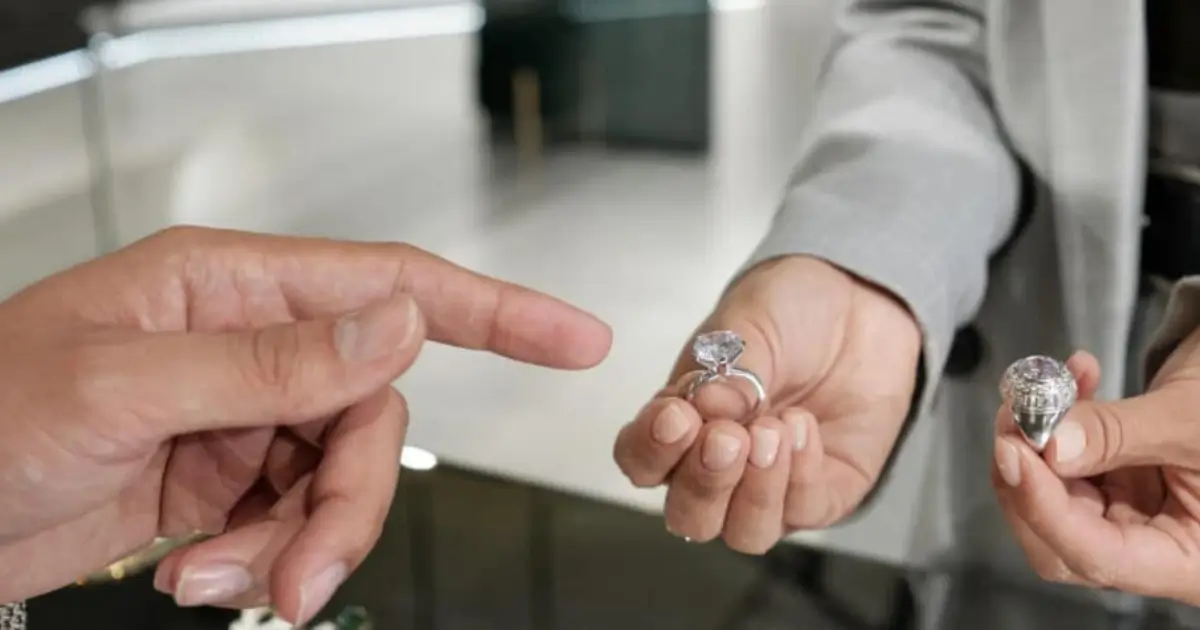
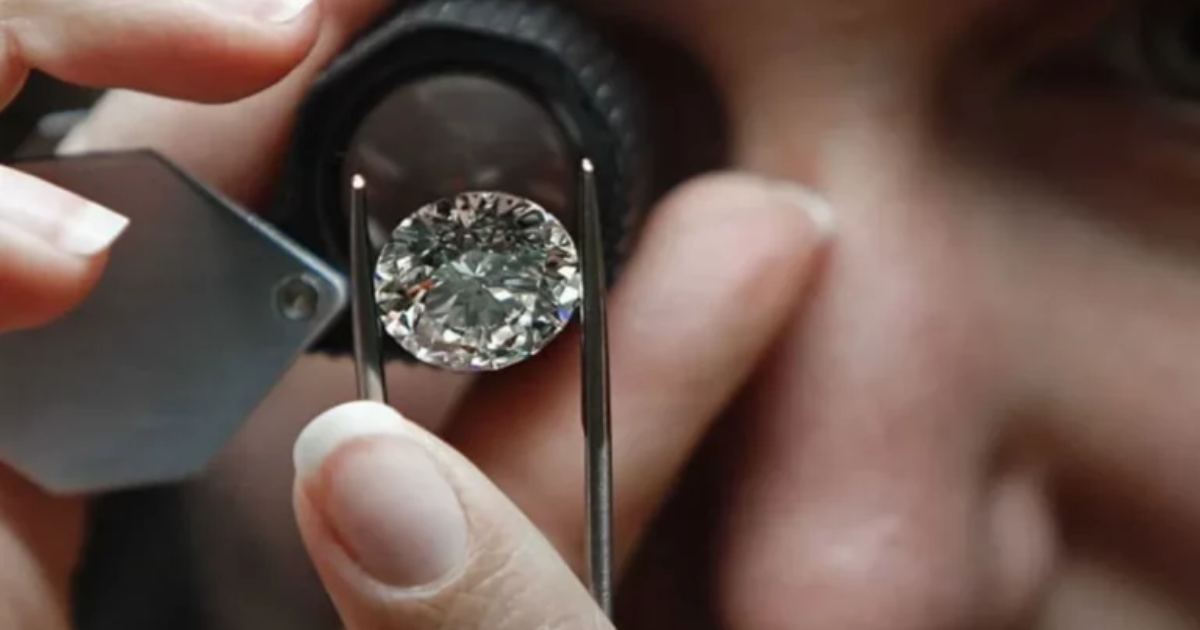
Not all buyers have the same level of expertise. One key part of avoiding jewelry scams is confirming that you’re dealing with trained professionals. Look for buyers with gemological education, years of experience, and a physical presence or established reputation.
Experienced buyers can evaluate more than just scrap value. They recognize craftsmanship, designer details, and gemstone quality that others might overlook.
4. Avoid Buyers Who Refuse Documentation or Receipts
A legitimate transaction should always include documentation. This protects both you and the buyer. If someone avoids paperwork or won’t provide a receipt, that’s a red flag.
Knowing how to avoid scams when selling jewelry means insisting on clear records of what you sold, the price agreed upon, and how payment was issued. Transparency builds trust and accountability.
5. Understand Payment Methods Before You Agree
Payment should be immediate and traceable. Checks, wires, or secure electronic payments are standard. Be cautious if a buyer insists on unusual methods or delays payment.
This is another key aspect of avoiding jewelry scams. Reliable buyers pay promptly and clearly explain when and how funds are released.
6. Don’t Assume the First Offer Is the Best Offer
Scammers often rely on the assumption that sellers won’t compare options. You should always feel comfortable seeking more than one opinion.
Understanding jewelry seller scams includes knowing your right to compare offers without pressure or guilt. Reputable buyers respect that choice.
Final Note
Selling jewelry doesn’t have to feel risky. When you know how to avoid scams when selling jewelry, you protect your time, your property, and your peace of mind. If you’re preparing to sell and want a transparent, professional experience, speak with us, and we will ensure that your jewelry is appraised and sold with full transparency.