Appraisal for antique jewelry: What Makes It Different and Why It Matters
Antique jewelry is not just old jewelry. It carries history, craftsmanship, and sometimes rarity that modern pieces simply do not have. That is why an appraisal for antique jewelry requires a different level of expertise compared to evaluating newer items.
If you own a piece that is over 100 years old or even several decades old, understanding how antique appraisals work can help you protect its value. It can also prevent you from accepting an offer that overlooks important details. Let us walk through what makes antique evaluations unique.
Age and Era Matter More Than You Think
One of the first things considered in an appraisal for antique jewelry is the era. Georgian, Victorian, Edwardian, and Art Deco pieces each have distinct characteristics. The metal work, gemstone cuts, and manufacturing techniques often reveal when the piece was created.
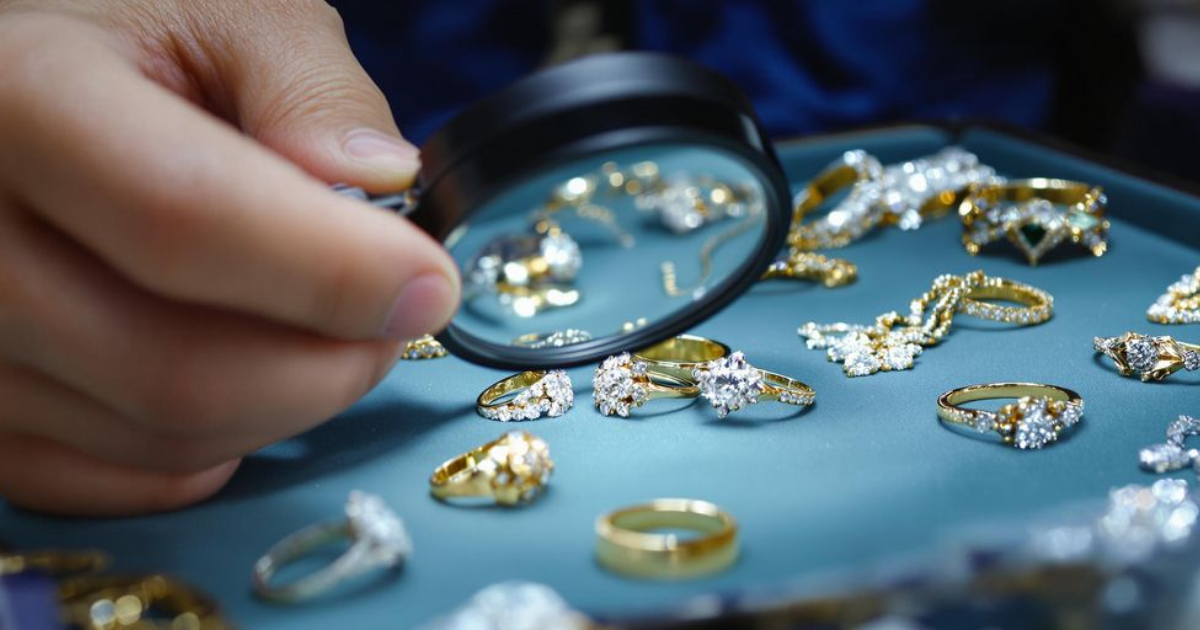
Older jewelry was typically handmade. That level of craftsmanship can significantly increase value. Antique pieces may also feature old mine cut or old European cut diamonds, which are valued differently from modern brilliant cuts. If the era is confirmed and the design is consistent with that time period, it strengthens the appraisal.
Original Condition and Authenticity
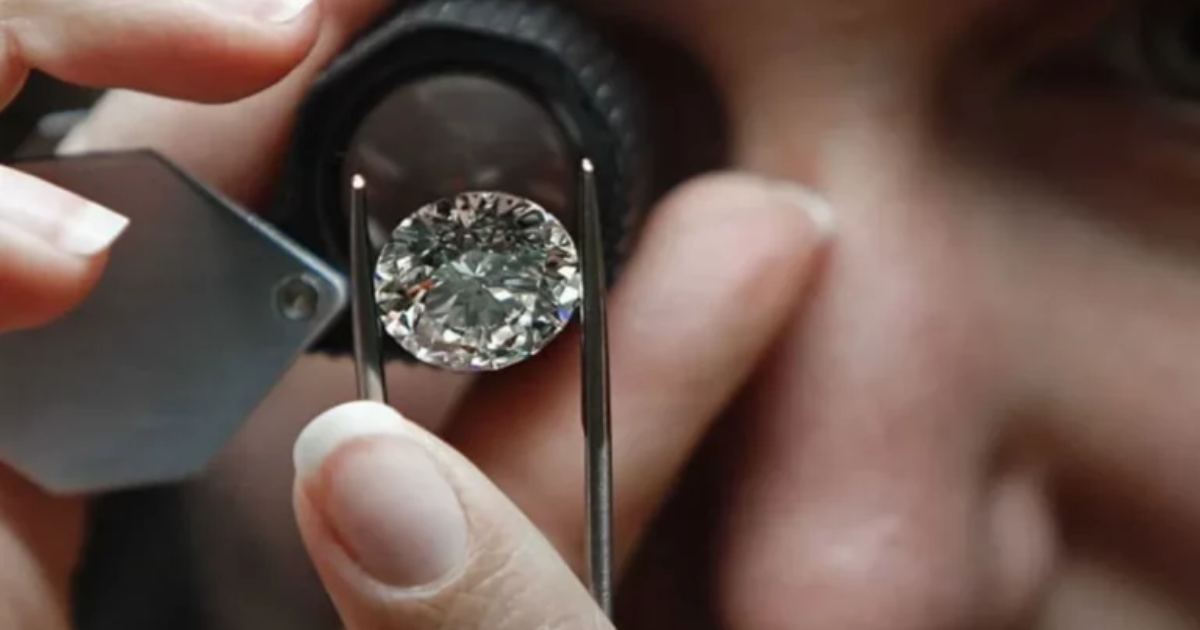
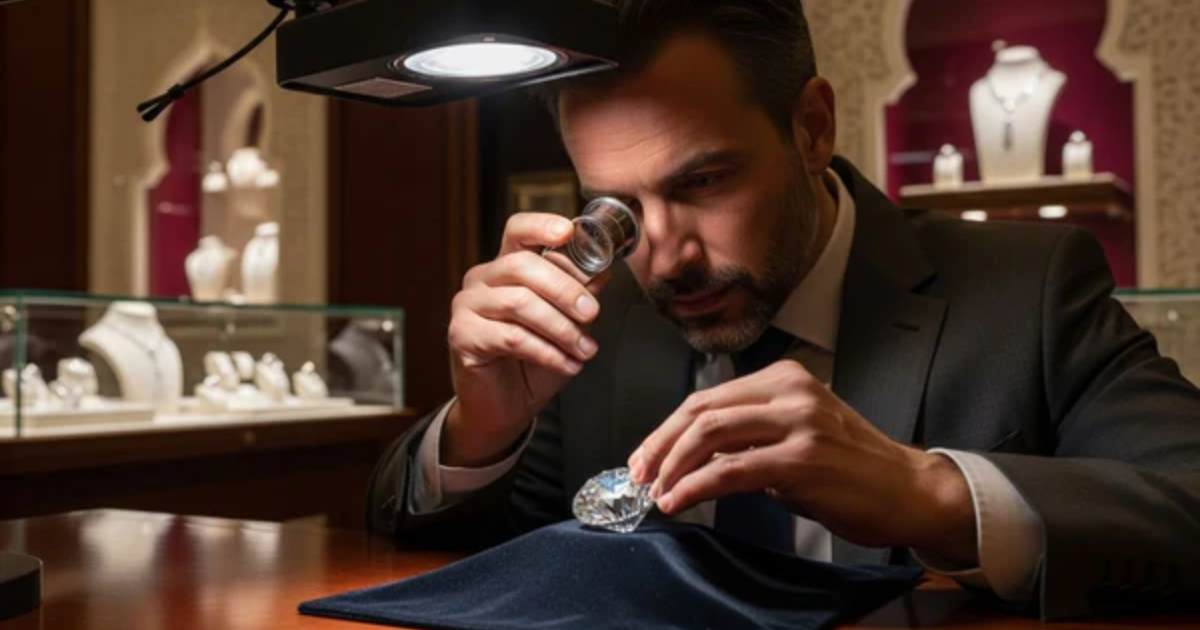
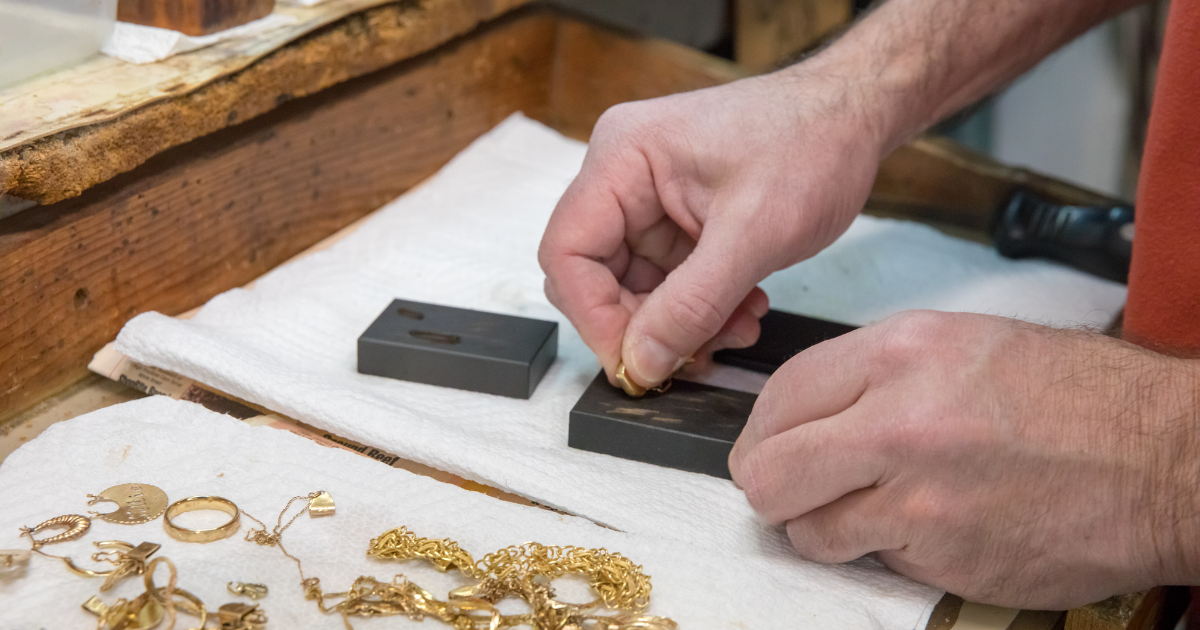
Condition plays a complex role. While modern jewelry is often valued based on flawless appearance, antique jewelry can retain value even with visible wear. In fact, signs of age can sometimes confirm authenticity. During an appraisal for antique jewelry, experts look for original settings, natural patina, and consistent wear patterns. Replacements or heavy modifications can reduce historical integrity. Authenticity is critical. Hallmarks, maker’s marks, and metal stamps help confirm origin. These small details often separate a valuable antique from a reproduction.
Gemstone Cuts and Materials
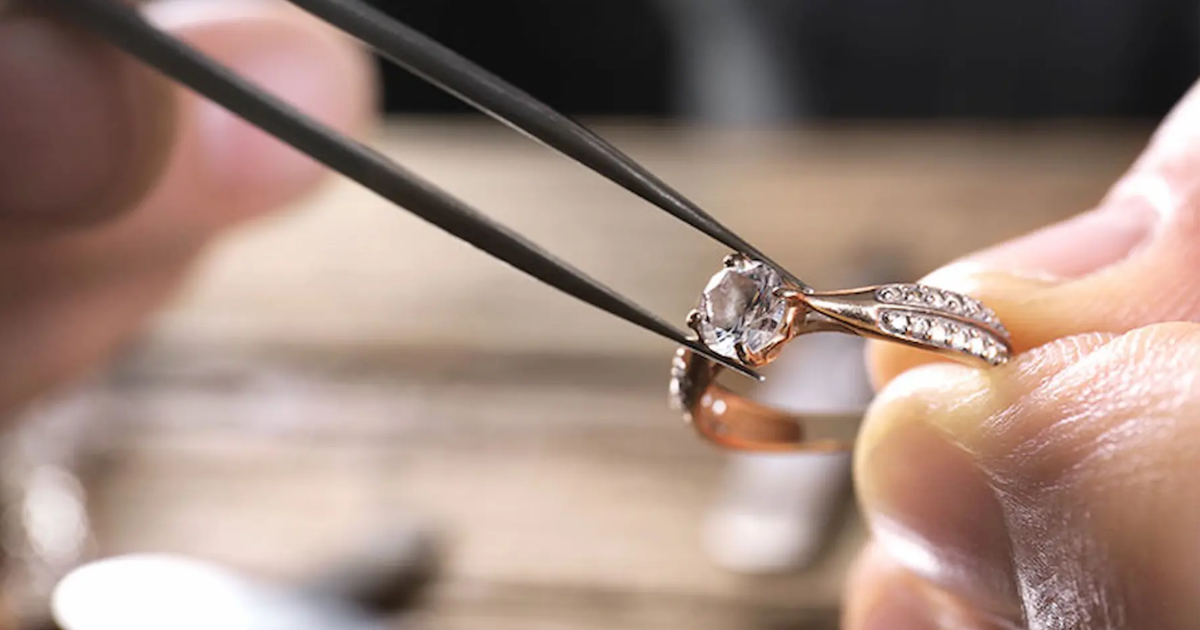
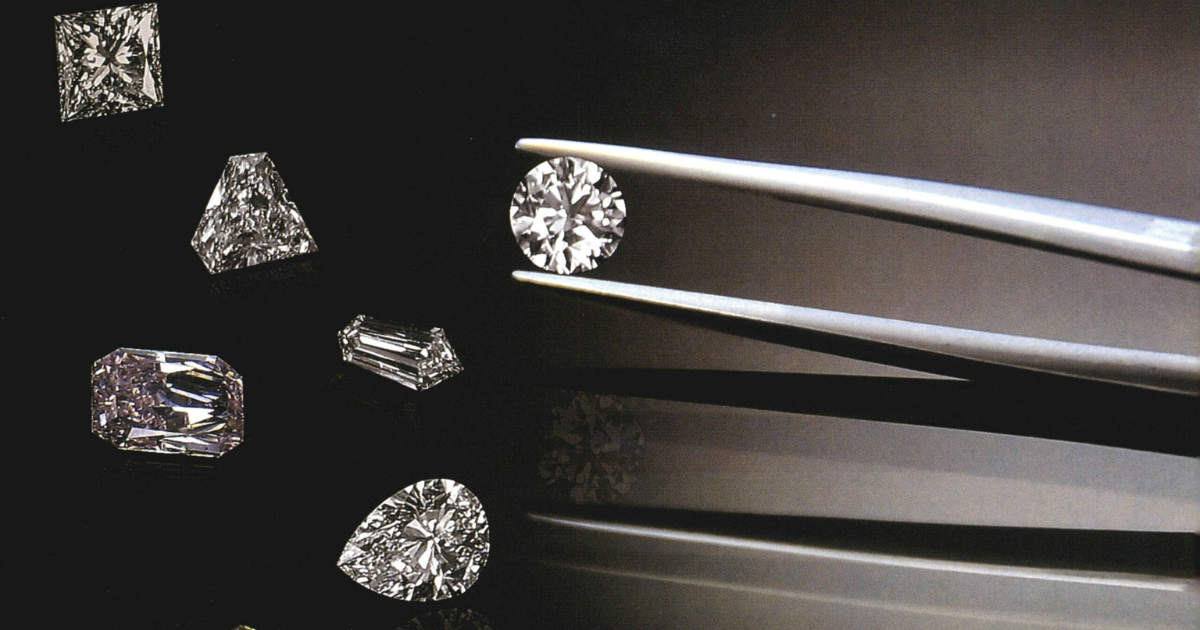
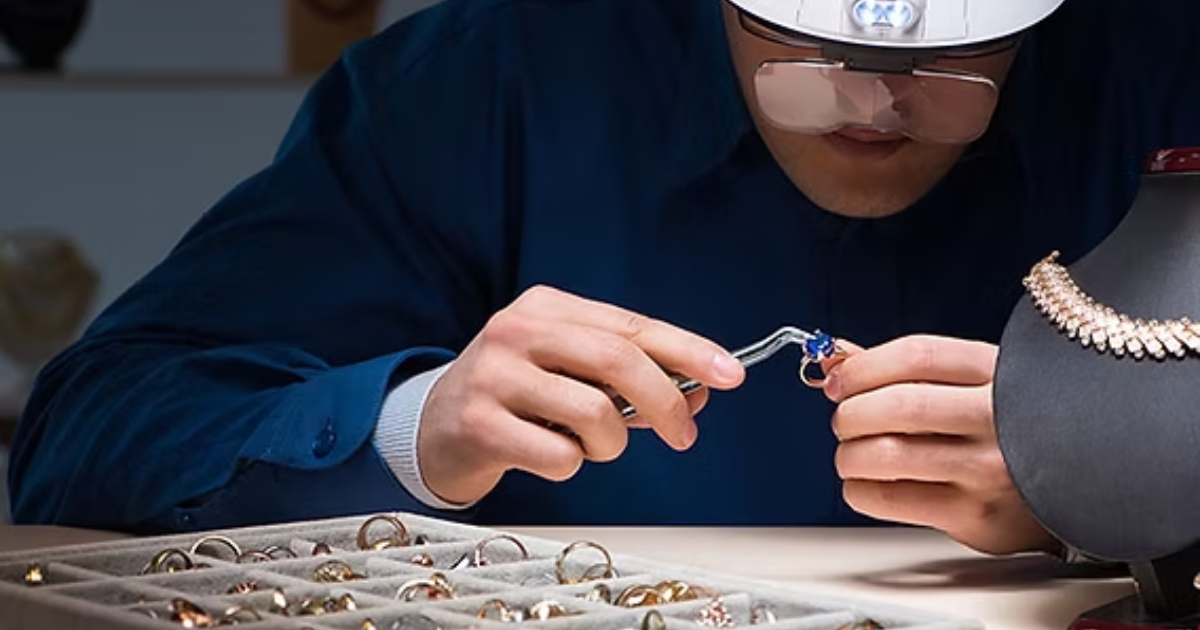
Antique jewelry frequently features gemstones cut using older techniques. Diamonds may not have the same symmetry or light performance as modern stones, but they carry historical appeal. An accurate appraisal for antique jewelry accounts for these differences. Older cuts are evaluated within the context of their era, not modern grading standards. Colored gemstones in antique pieces may also be untreated, which can significantly influence value. Determining whether stones are original to the setting is another important step.
Market Demand and Collector Interest
Antique jewelry is often purchased by collectors rather than casual buyers. Demand fluctuates based on trends and rarity. Certain periods, such as Art Deco, tend to maintain strong interest. A professional appraiser understands how current market demand influences value. That is why experience matters when evaluating antique pieces. Ayan Jewelry, for example, evaluates antique jewelry with attention to era accuracy, craftsmanship, and collector demand rather than focusing only on metal weight.
Why a Specialized Appraisal Protects You
Using a general appraiser who lacks antique expertise can lead to undervaluation. Antique jewelry should never be assessed solely for melt value unless it is severely damaged beyond recognition. A detailed appraisal for antique jewelry provides documentation that protects you for insurance purposes and supports fair pricing if you decide to sell. It also gives you clarity about what you own. Many families underestimate the historical significance of inherited pieces.
Final Note
Antique jewelry carries layers of value. Age, authenticity, craftsmanship, gemstone cuts, and collector interest all influence pricing.
If you are considering selling or insuring a historic piece, a proper appraisal for antique jewelry is essential. It ensures your jewelry is evaluated within the right context and prevents important details from being overlooked.
Before making any decisions, take the time to seek a specialized evaluation. A professional appraisal can reveal more about your piece than you might expect.