How Gemstone Quality Affects Value-What You Need to Know Before You Sell
If you have ever wondered why two gemstones that look similar can sell for completely different prices, you are asking the right question. The answer almost always comes down to how gemstone quality affects value. Small differences in color, clarity, origin, and demand can create major differences in price.
When you are preparing to sell fine jewelry, especially pieces set with rubies, emeralds, sapphires, or other precious stones, understanding these factors gives you confidence. It also helps you recognize whether an offer makes sense.
Let us walk through what truly matters.
Color Is Often the First Thing That Drives Price
Color is usually the most important factor in determining gemstone value. With many stones, the richest and most evenly distributed color commands the highest prices. For example, deep saturated blue sapphires or vivid red rubies tend to be more desirable than pale or unevenly colored stones.
This is a major reason why gemstone quality affects value so dramatically. Even slight differences in tone or saturation can shift pricing. Two emeralds of the same size may vary widely in value if one has stronger color intensity and fewer visible inclusions.
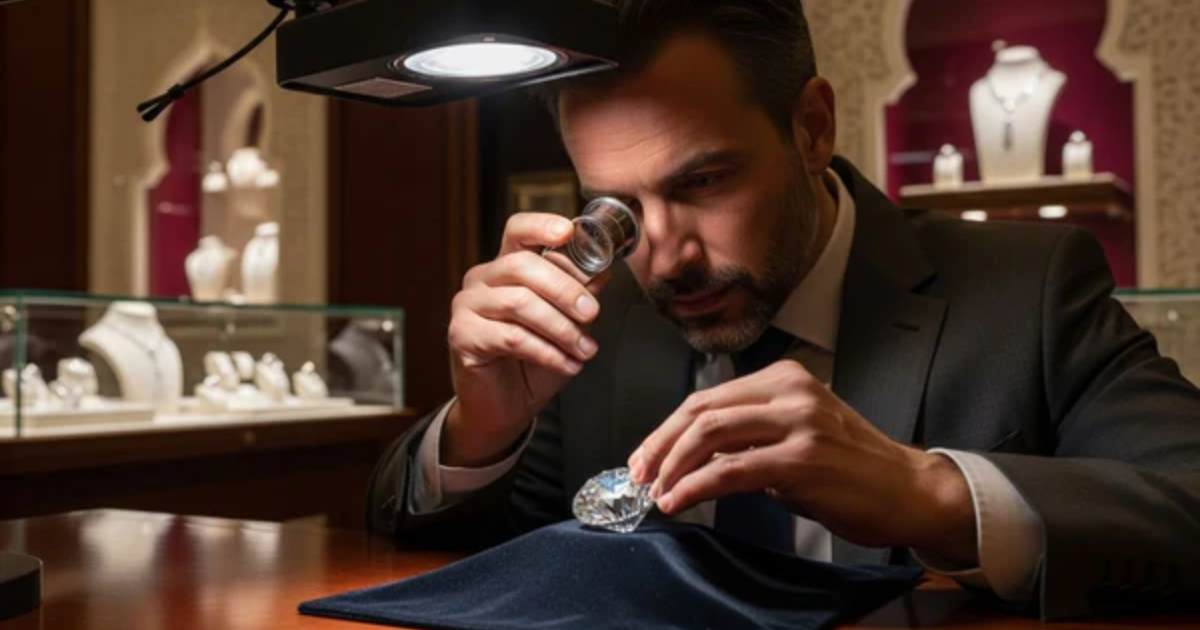
If you are selling a piece that features high-quality colored stones, buyers who understand color grading will look beyond surface appearance and evaluate hue consistency and brilliance under lighting.
Clarity and Inclusions Matter More Than You Think
Almost every gemstone has internal characteristics known as inclusions. Some inclusions are acceptable and even expected. Others reduce transparency and impact brilliance.
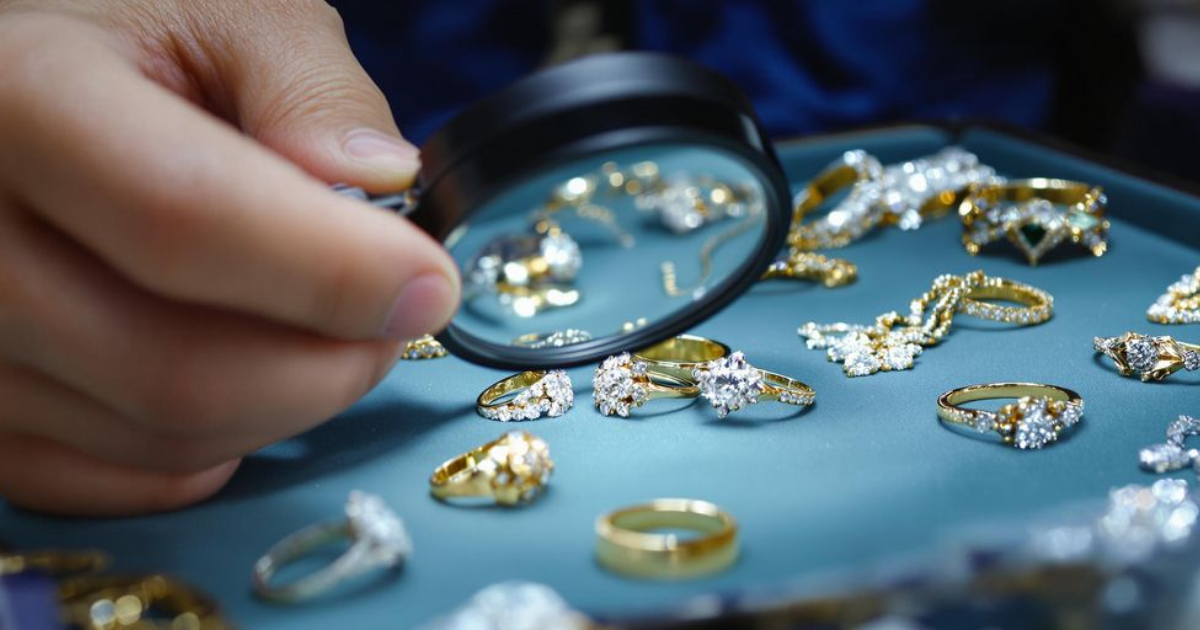
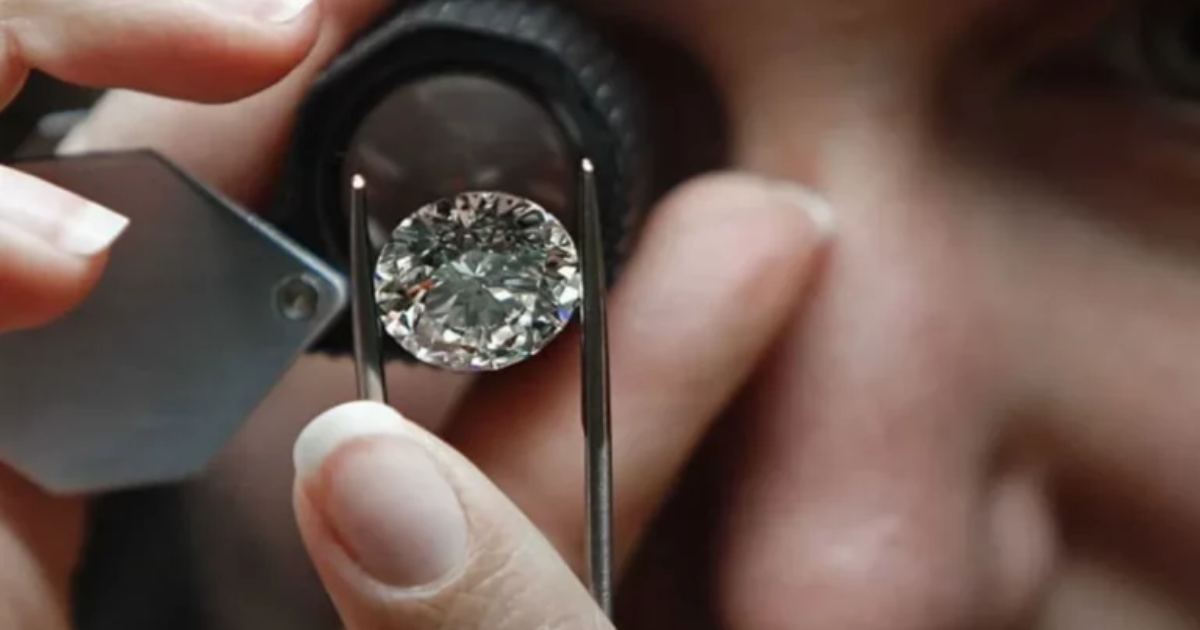
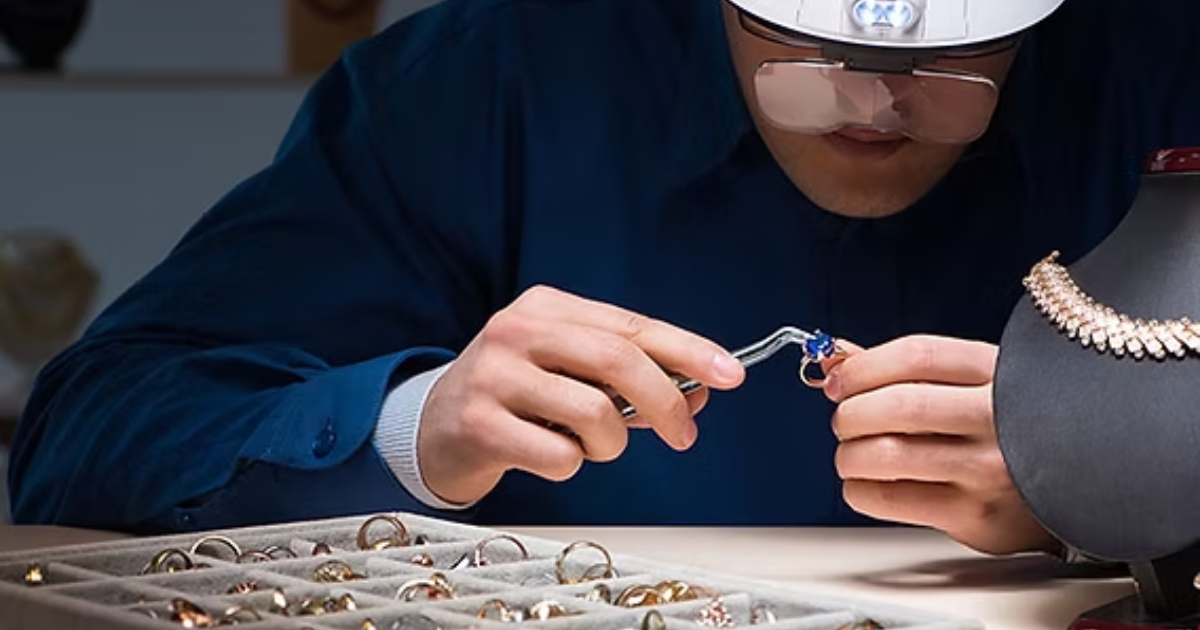
Clarity is another key reason why gemstone quality affects value, which is not always obvious at first glance. A gemstone that appears clean to the naked eye may show significant inclusions under magnification. Experienced buyers assess this carefully.
In emeralds, inclusions are common and somewhat tolerated. In sapphires and rubies, fewer inclusions generally increase value. The cleaner the stone, the stronger the price.
Origin Can Increase Value
Many gemstones are valued not only for quality but also for origin. Burmese rubies, Colombian emeralds, and Ceylon sapphires often command premiums due to historical reputation and market demand.
This is another area where how gemstone quality affects value becomes more nuanced. Two stones with similar visual characteristics may differ in price if one comes from a historically sought-after region. Buyers who specialize in fine estate and high-end jewelry, such as us, Ayan Jewelry, evaluate origin carefully because it can influence resale demand.
Market Demand and Rarity Influence Pricing
Gemstone pricing is not static. Demand shifts based on trends, collector interest, and global supply. Certain stones may experience spikes in popularity, increasing their resale value.
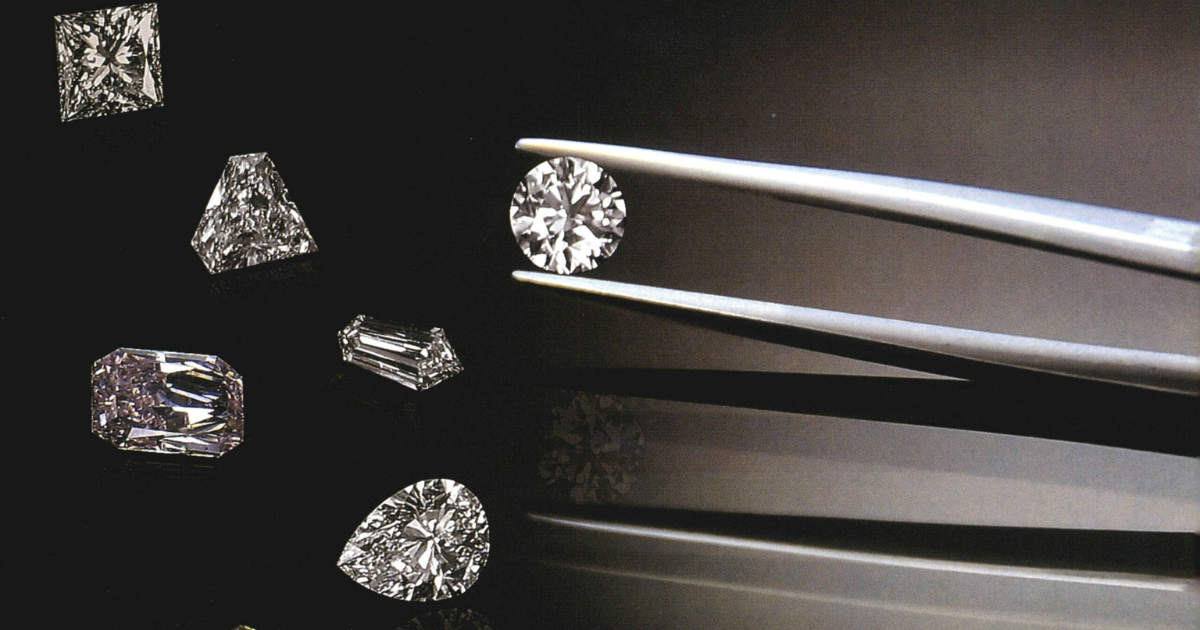
Rarity plays a role as well. Fine untreated stones in larger carat weights are significantly rarer than smaller commercial-quality stones. That rarity often translates directly into higher value.
If your jewelry contains rare stones or unusually large specimens, demand in the secondary market becomes a strong pricing factor.
Why Proper Evaluation Matters Before You Sell
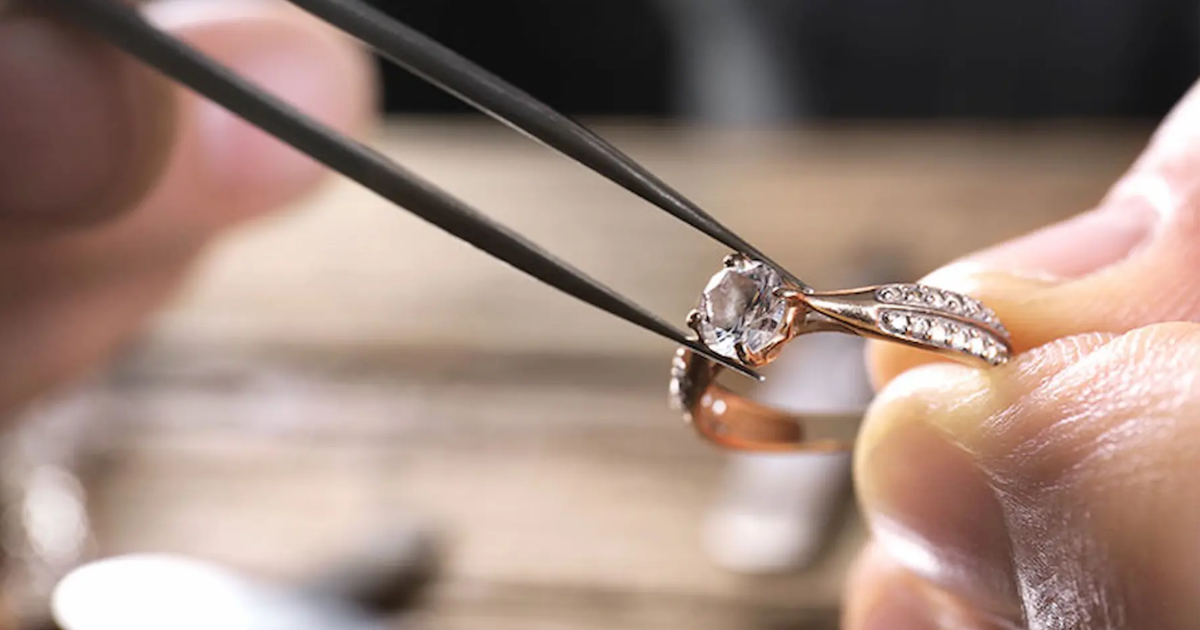
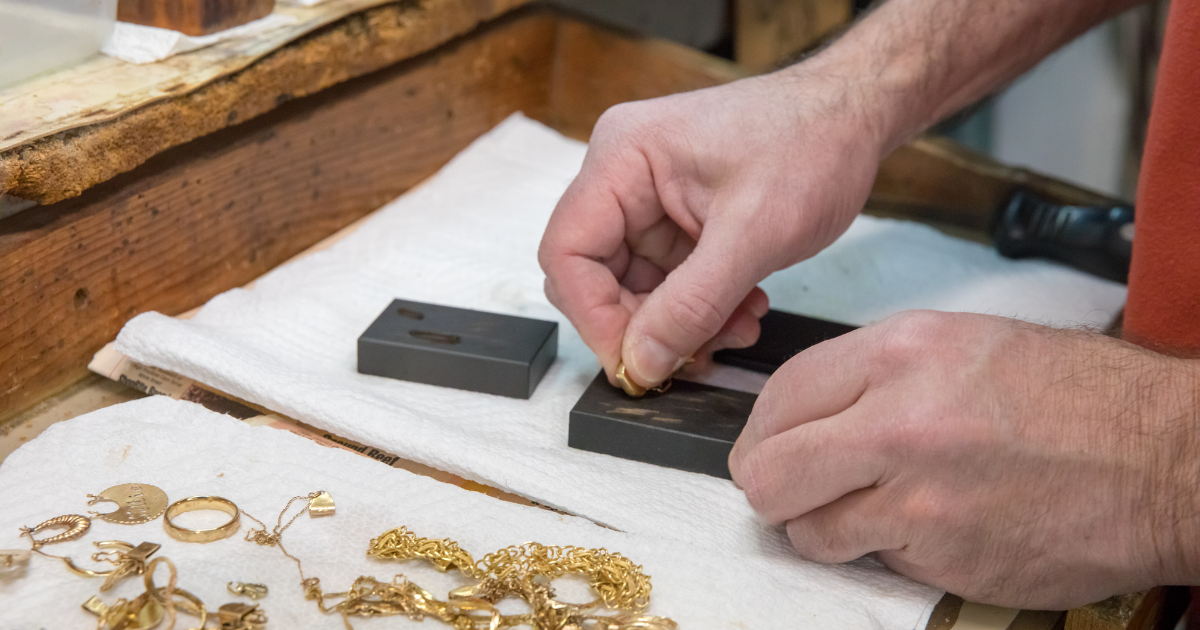
When you sell jewelry with colored stones, you want someone who understands more than metal weight. The value often lies in the gemstone itself. A buyer who focuses only on gold content may overlook significant value.
If your piece includes high-quality stones, especially in estate or antique settings, consider speaking with specialists in estate jewelry and precious gemstones before accepting an offer. Understanding how gemstone quality affects value allows you to ask better questions and make informed decisions.
Final Note
Gemstones are complex. Their beauty is obvious, but their value is layered. Color, clarity, origin, rarity, and demand all interact to determine pricing. If you are preparing to sell, take time to understand how gemstone quality affects value so you can recognize a fair offer when you see one. When you are ready for a professional evaluation, connect with our experienced buyers who understand fine colored stones and can properly assess what you have.