Selling Jewelry with Missing Stones: What You Should Know Before You Let It Go
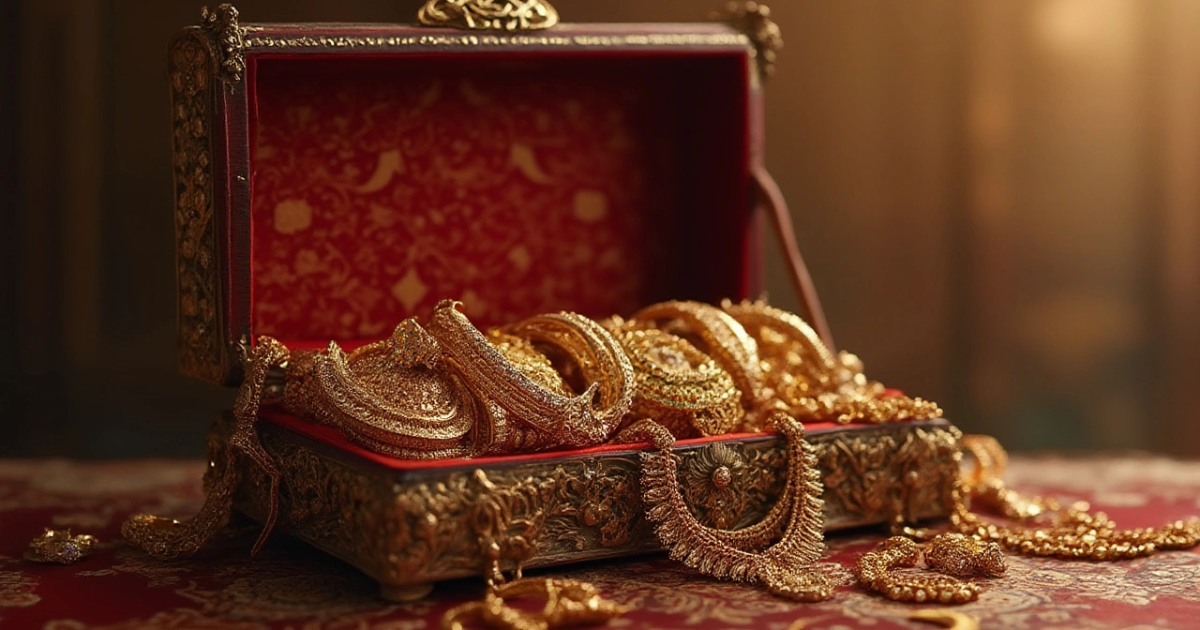
You open your jewelry box and find a ring with a missing stone. Maybe it was an heirloom. Maybe it was worn daily, and the stone fell out over time. Now you are wondering if it is even worth anything.
If you are considering selling jewelry with missing stones, the first thing to understand is this: damage does not automatically mean no value. In many cases, the gold or platinum content alone can make it worthwhile. Before you assume it belongs in a drawer forever, let us look at what truly matters.
The Metal Often Holds the Core Value
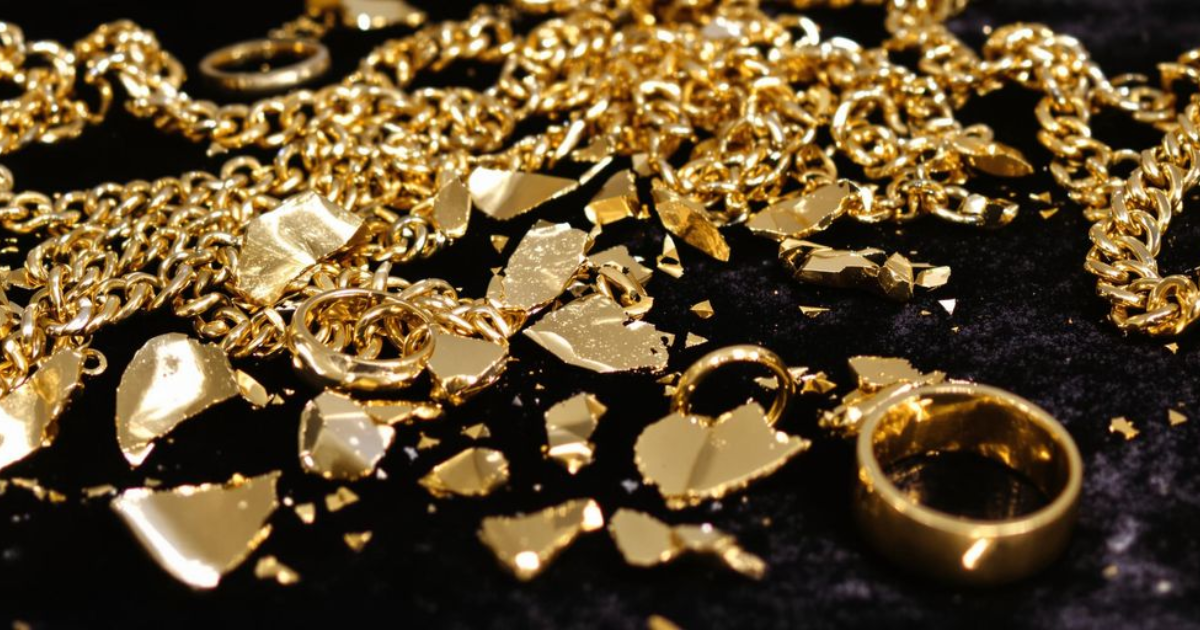
When a stone is missing, buyers typically focus first on the precious metal. Gold, platinum, and sometimes silver are evaluated based on weight and purity. The design matters less than the metal content itself.
This is why selling jewelry without stones can still make financial sense. Even if the gemstone is gone, the gold retains its intrinsic value. Gold is measured in karats, and higher purity generally means stronger melt value.
If gold prices are strong, broken jewelry may still offer a meaningful return.
When Craftsmanship Still Matters
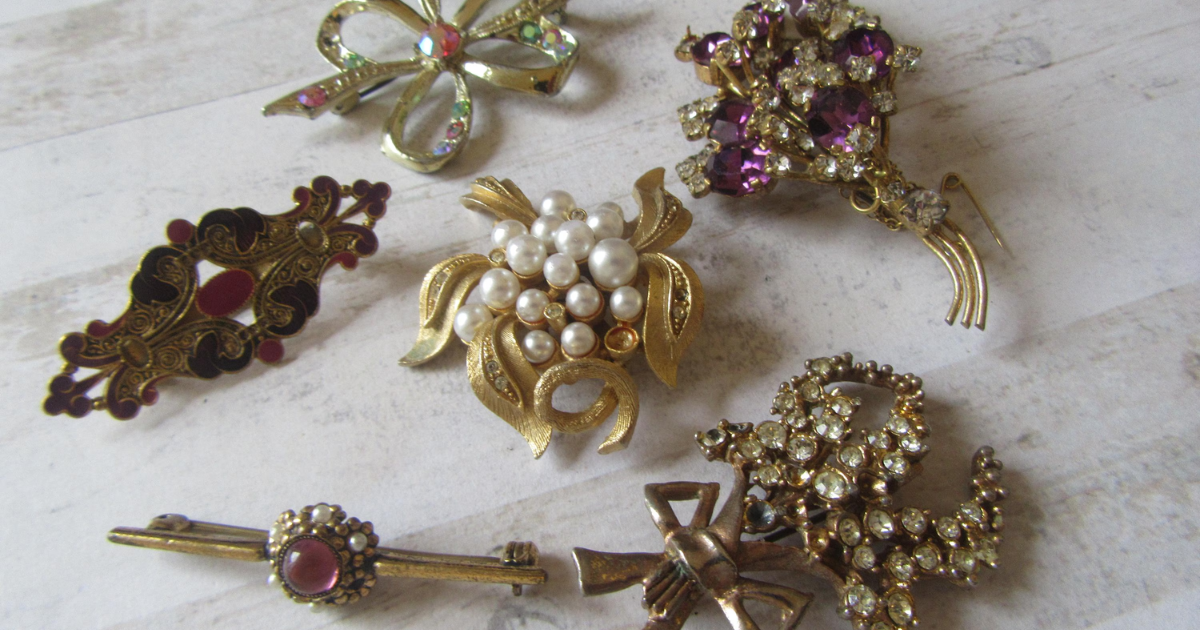
Not every damaged piece is valued strictly as scrap. Some vintage or designer settings may still hold interest, even without stones. Certain antique mountings or signed pieces can carry demand in the secondary market.
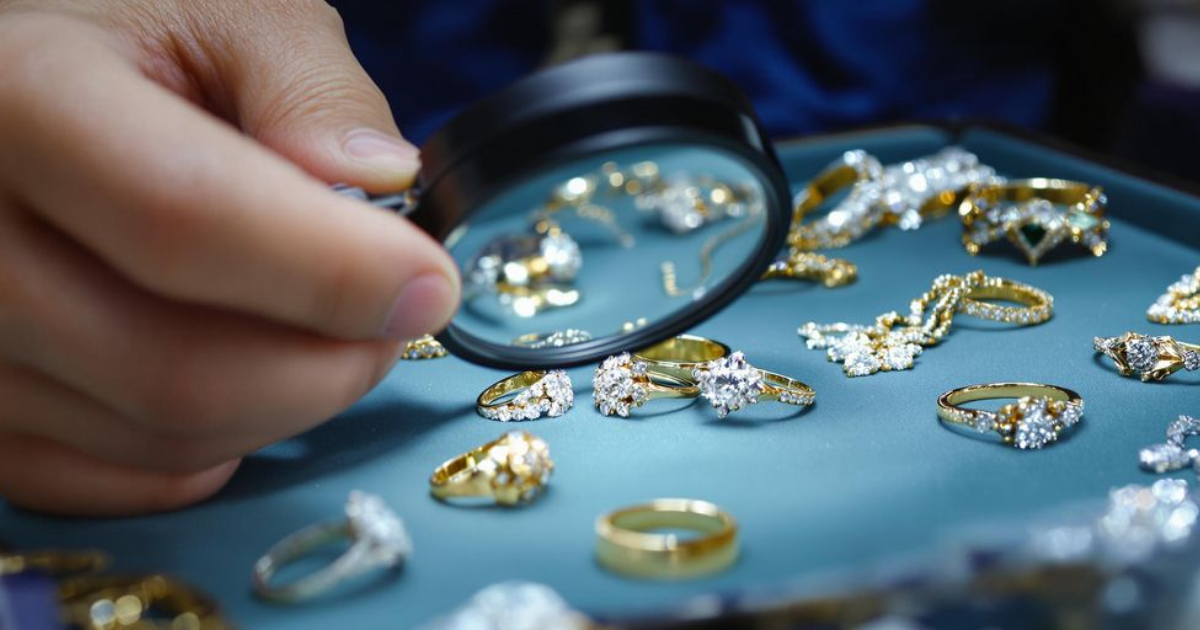
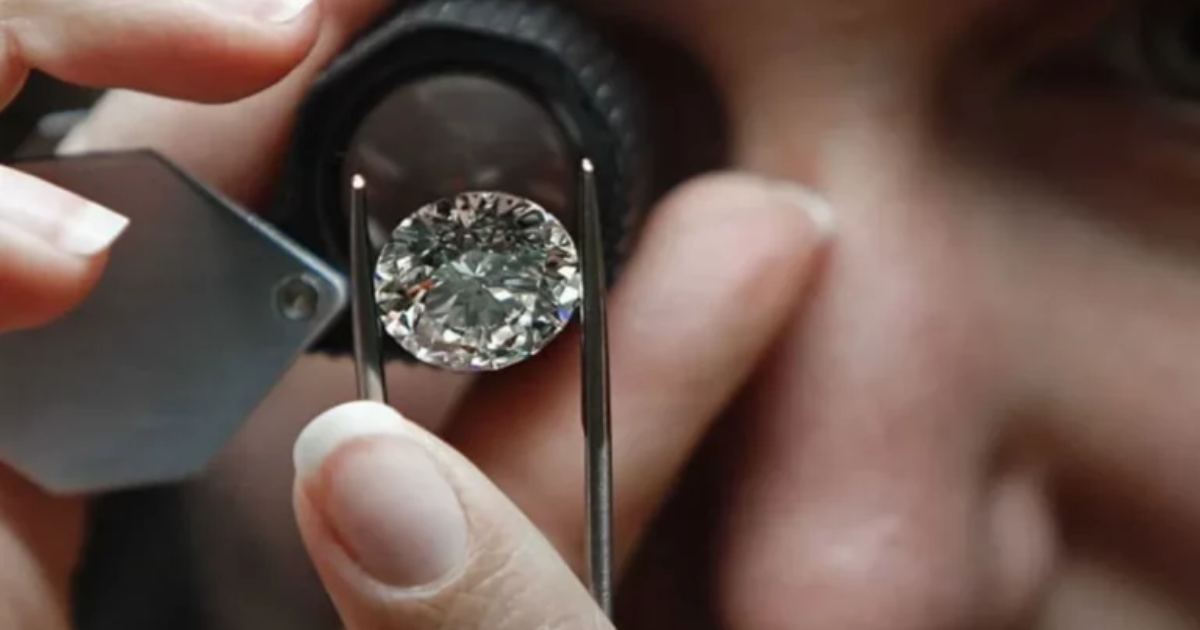
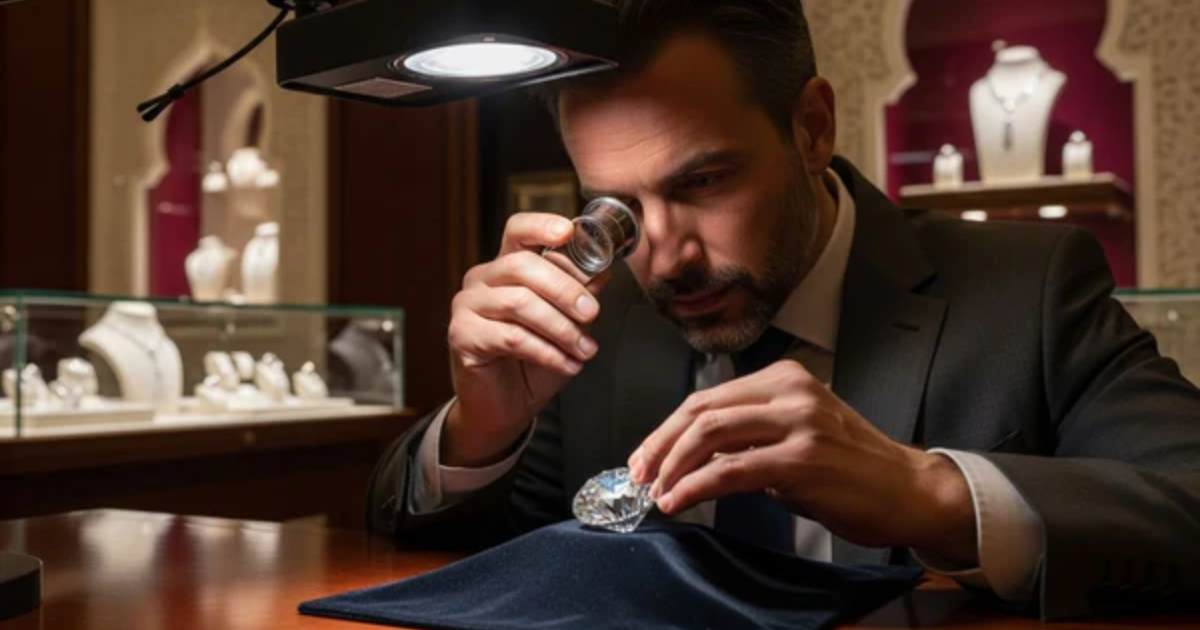
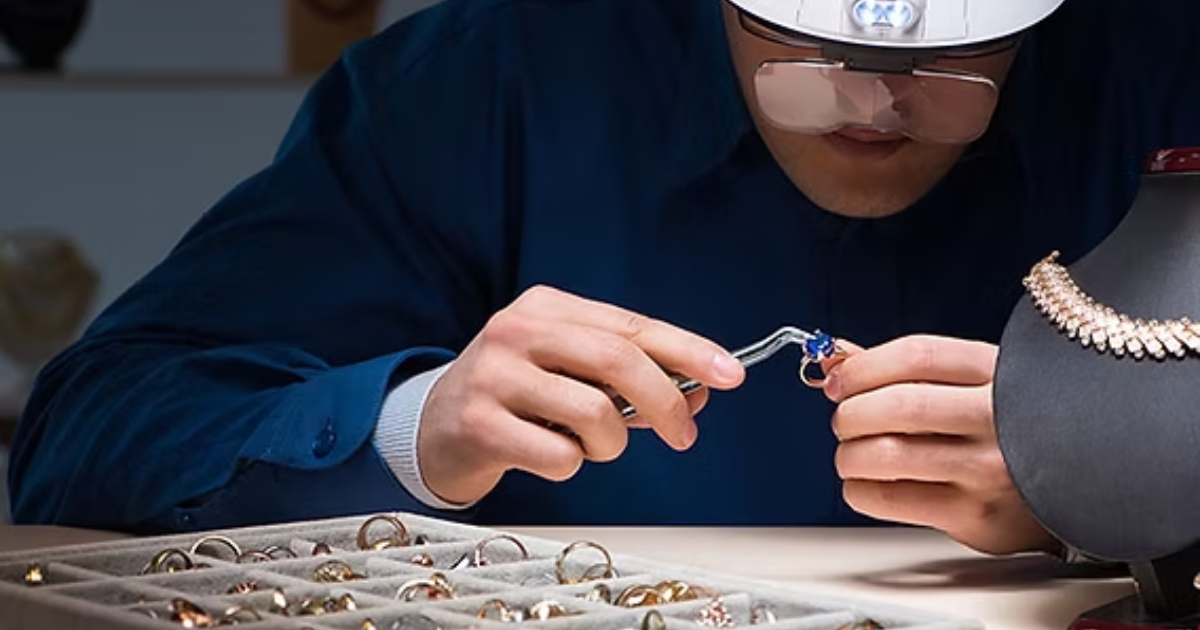
This is where experience matters. A knowledgeable buyer will evaluate more than just weight. They will look at era, maker’s marks, and overall design quality before determining whether restoration or resale potential exists.
Ayan Jewelry carefully evaluates estate pieces to determine whether a setting has standalone value beyond metal content.
What If the Center Stone Is Missing?
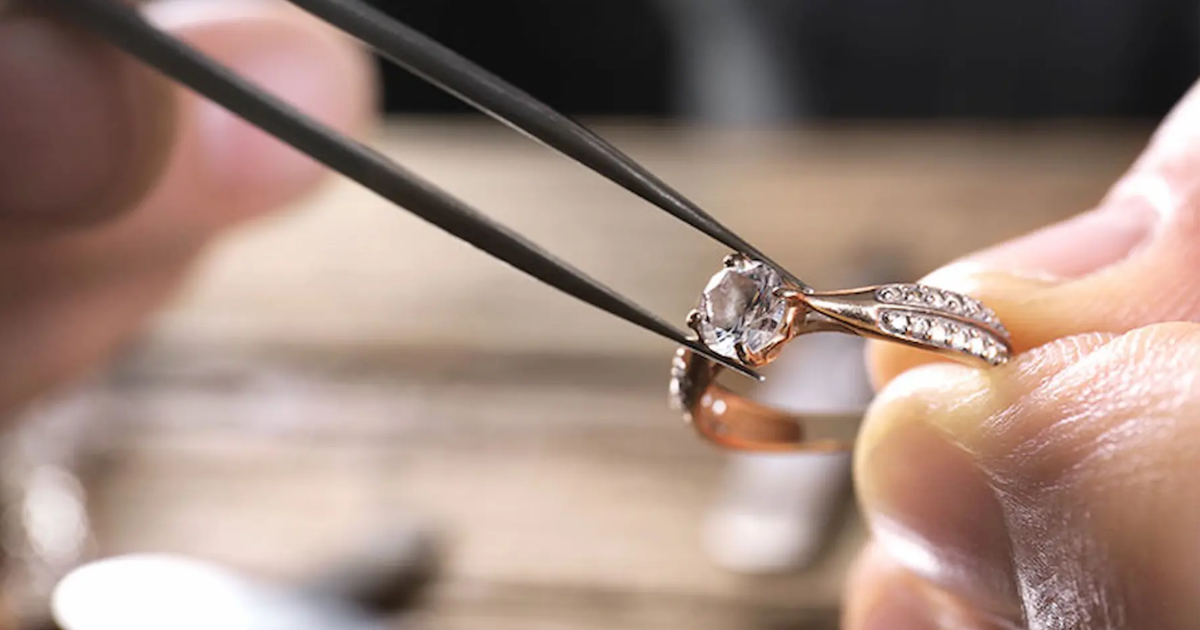
If a center stone is missing from a ring, the setting still contains metal value. Smaller accent stones that remain intact may also contribute some value, depending on size and quality.
When selling jewelry with missing stones, do not attempt to remove remaining stones yourself. That can cause further damage and reduce value. Let professionals assess it as is.
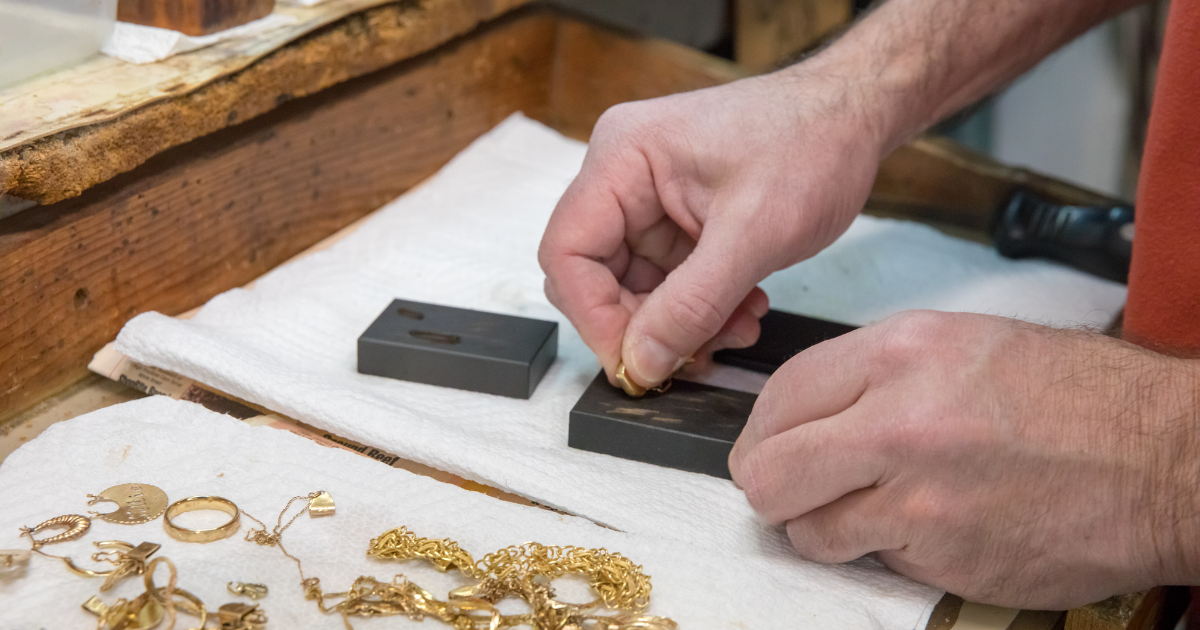
A proper evaluation includes testing the metal, confirming purity, and weighing the piece accurately.
Condition vs Market Demand
It is natural to think that conditions determine everything. In reality, the condition is just one factor. Precious metals are commodities. They are priced based on global markets.
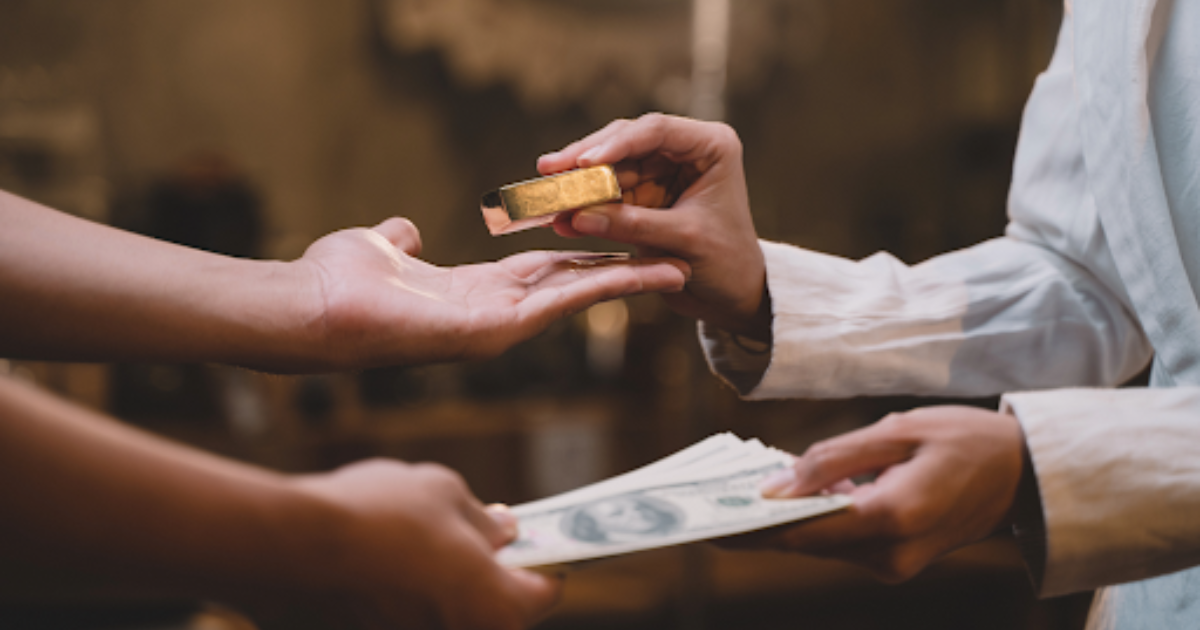
If the metal content is solid and the weight is meaningful, broken jewelry can still command a fair offer. If the piece has historical or designer significance, that may also influence pricing.
Understanding this helps remove hesitation around selling jewelry with missing stones. What looks imperfect can still carry value.
Should You Repair Before Selling?
Some sellers wonder whether they should repair a piece before selling it. In most cases, repairs are not necessary if your goal is to sell for metal value. Repair costs can exceed the additional return.
However, if the piece is a high-end designer item and the missing stone is significant, a professional consultation may help you decide.
Speaking with an experienced buyer first can prevent unnecessary expenses.
Final Note
Jewelry does not have to be perfect to have value. Missing stones, worn prongs, or outdated designs do not erase the worth of precious metals.
If you are thinking about selling jewelry without stones, the best step is a professional evaluation. A knowledgeable buyer can test purity, weigh the metal, and determine whether any additional design value exists. Before you decide what to do with that damaged piece sitting in your drawer, consider having it reviewed. You may be surprised at what selling jewelry with missing stones can still bring.