Value of Vintage Gold Jewelry: What Really Determines Its Worth
Vintage gold jewelry carries a different kind of appeal. It is not just about the gold weight. It is about era, craftsmanship, and the story behind the piece. If you are trying to understand the value of vintage gold jewelry, you need to look at more than just melt price.
Many people assume older gold jewelry is automatically worth more. That is not always the case. Some pieces are valuable because of their gold content. Others are valuable because of design and rarity.
Let us break down what truly influences pricing.
Gold Purity and Weight Still Matter
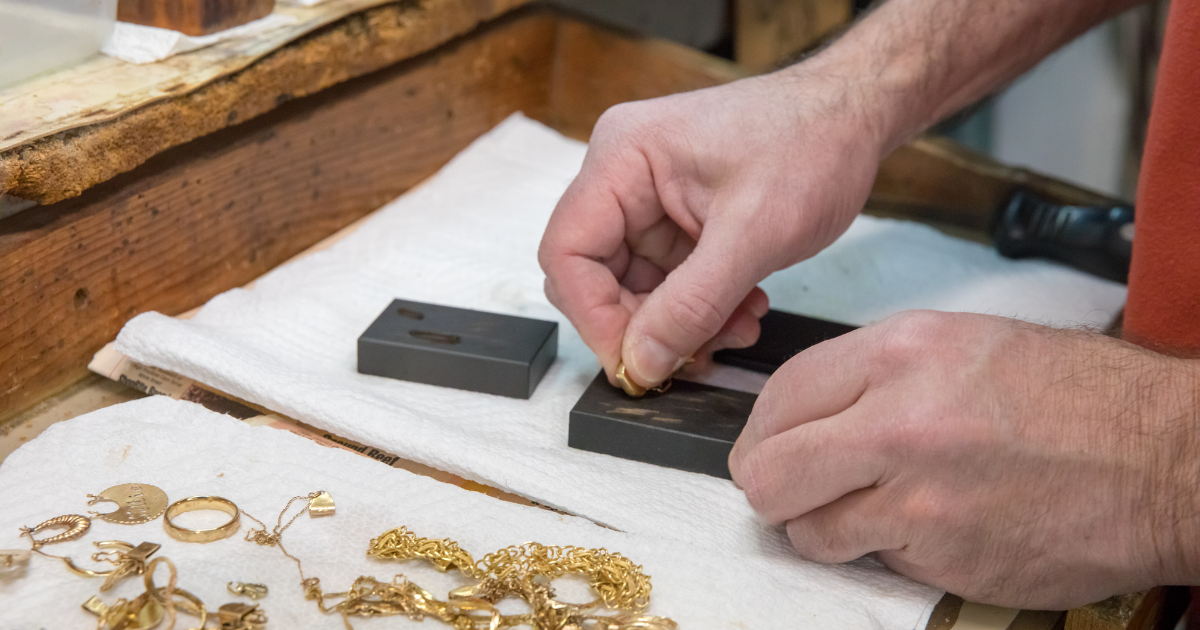
The foundation of any gold jewelry valuation is purity and weight. Vintage pieces may be stamped 10K, 14K, 18K, or even higher. The higher the gold content, the stronger the intrinsic metal value.
When evaluating the value of vintage jewelry, buyers first determine karat purity and total weight. Gold is priced based on the global market, so current gold prices directly affect the baseline value.
Even if a design is outdated, the gold itself still holds commodity value.
Era and Craftsmanship Influence Demand
Vintage jewelry usually refers to pieces that are at least 20 years old. Some may be mid-century. Others may be from earlier decades.
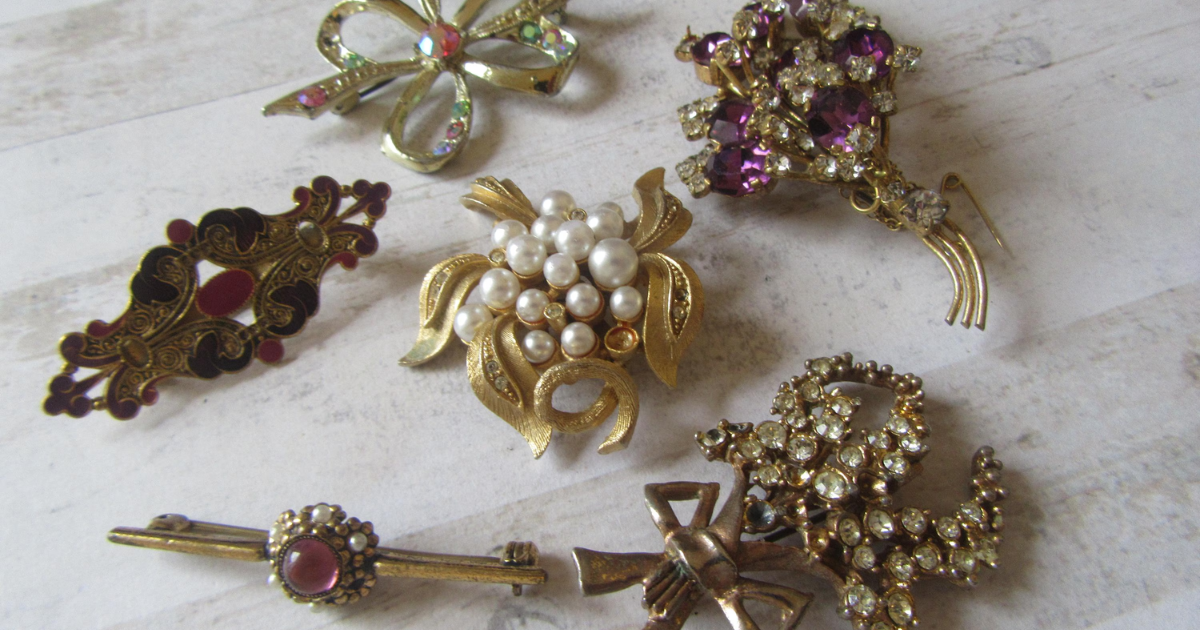
Handmade craftsmanship, unique engraving, and design techniques can increase the value of vintage gold jewelry. Certain eras remain popular among collectors. Retro designs, Art Deco influences, and bold 1970s gold pieces each have different levels of demand.
Well-preserved craftsmanship adds appeal beyond simple melt value.
Brand Recognition Can Add Premium Value
Designer names matter. Vintage gold jewelry from well-known houses can command premiums above scrap pricing.
If your piece carries a recognized maker’s mark, that may significantly increase the value of the gold jewelry. Buyers look at brand demand in the secondary market, not just gold content.
However, authenticity is critical. Clear hallmarks and documentation strengthen valuation.
Condition and Original Features
Condition affects price but does not automatically reduce value. Light wear is expected in vintage pieces. Structural damage, missing components, or heavy alterations can reduce resale appeal.
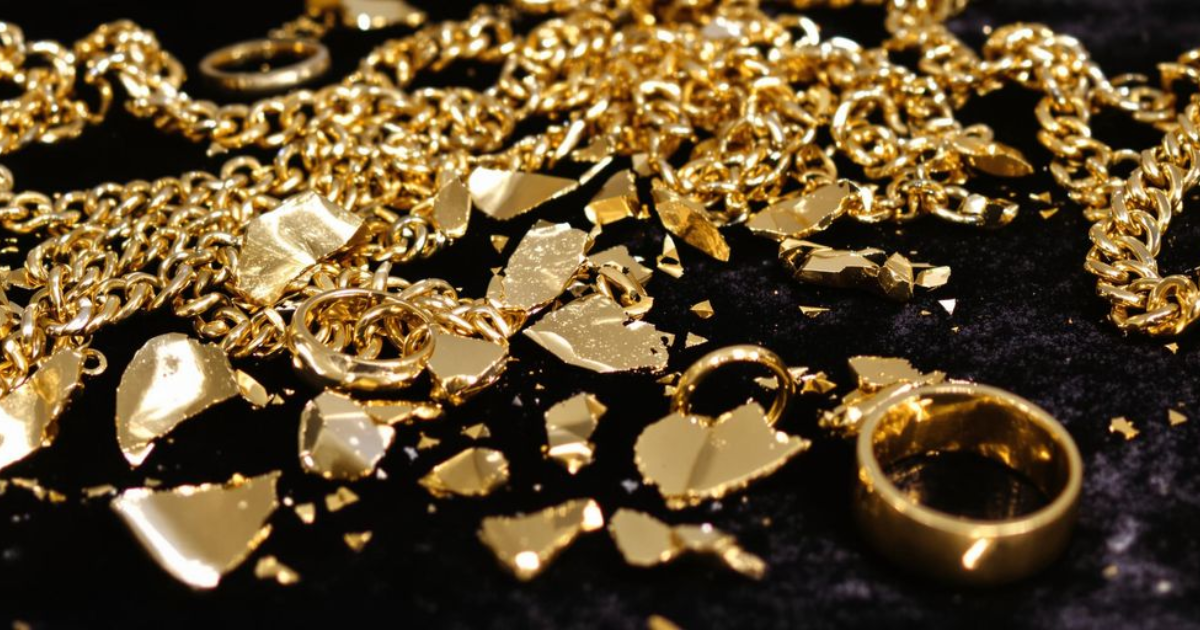
Still, when gold prices are strong, even damaged pieces maintain solid melt value. Buyers often separate intrinsic metal value from collectible appeal.
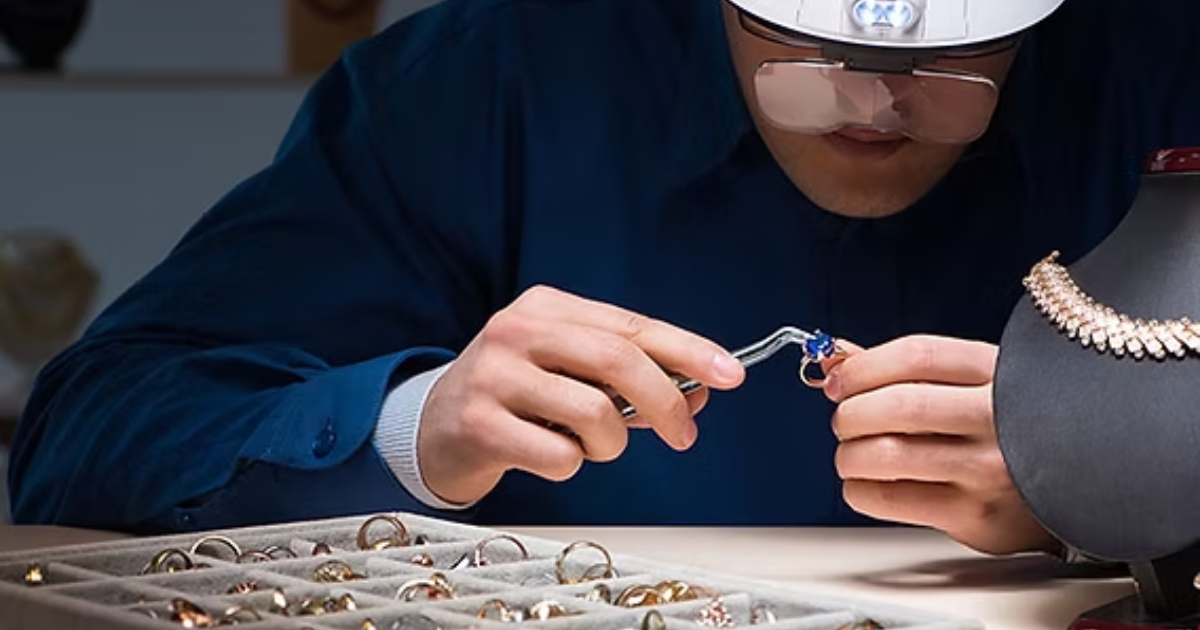
Experienced buyers, including Ayan Jewelry, assess both aspects carefully rather than focusing on one factor alone.
Market Trends and Gold Pricing
Gold markets move based on inflation, global economic stability, and investor demand. When gold prices rise, the baseline value of vintage gold jewelry increases as well.
At the same time, fashion trends influence resale demand. Chunky gold chains, statement rings, and bold vintage styles have experienced renewed popularity in recent years.
Understanding both metal pricing and fashion demand helps explain why some pieces sell quickly while others are valued mainly for gold content.
Final Note
The value of vintage gold jewelry depends on a combination of factors. Gold purity and weight create the foundation. Craftsmanship, era, brand recognition, and market demand add additional layers.
If you are considering selling, start by having your piece professionally evaluated. Knowing the true value of gold jewelry allows you to compare offers confidently and avoid undervaluation. Before you make a decision, consult experienced professionals who understand both gold markets and vintage design so you can receive a fair and accurate assessment.