What Affects Gold Jewelry Value and Why It Matters When You Sell
If you’ve ever held a gold necklace or ring and wondered what it’s really worth, you’re not alone. Many people assume the value is obvious, but gold jewelry pricing is more nuanced than it seems. Understanding what affects gold jewelry value helps you make informed decisions, especially when you’re thinking about selling pieces you no longer wear.
Gold jewelry isn’t priced based on appearance alone. Two pieces that look similar can have very different values once an expert takes a closer look. That’s because buyers evaluate gold using a combination of measurable factors, market conditions, and craftsmanship details. Once you know how these elements work together, the selling process becomes far less confusing.
Before you visit a buyer or request an appraisal, let’s walk through the real factors that determine the gold jewelry value, so you know exactly what to expect.
Gold Purity Plays a Major Role
One of the biggest factors influencing what affects gold jewelry value is purity. Gold purity is measured in karats, with common markings like 10K, 14K, 18K, and 24K. The higher the karat, the purer the gold the piece contains.
For example, 24K gold is nearly pure, while 10K gold contains a smaller percentage of gold mixed with other metals. This directly impacts value because buyers calculate how much actual gold is present in the piece. Even if two rings weigh the same, the one with higher purity will typically be worth more.
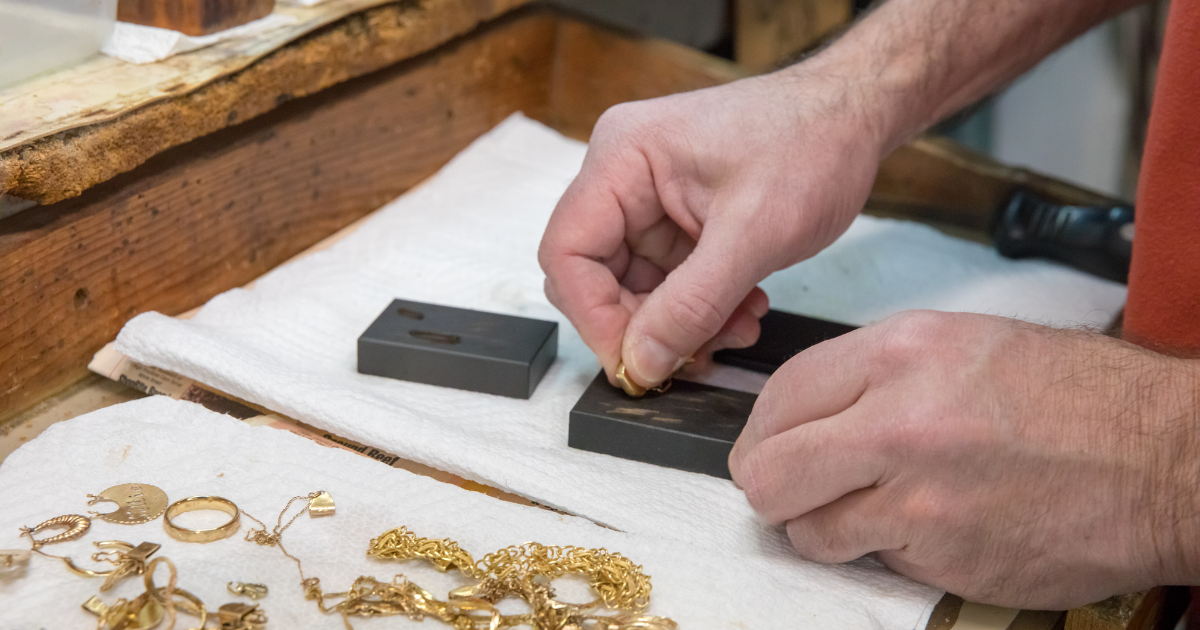
This is why professional testing matters. Visual inspection alone cannot accurately determine purity.
Weight and Gold Content Matter More Than Size
Another key aspect of gold jewelry value is weight. Gold is bought and sold by weight, usually measured in grams. However, buyers are not looking at the total weight of the jewelry alone. They focus on how much of that weight is pure gold.
Stones, clasps, and non-gold components are often removed from the calculation. That’s why a thick bracelet made with lower-karat gold may be worth less than a lighter piece with higher purity.
Understanding this helps explain why buyers weigh jewelry carefully before making an offer.
Market Price Fluctuations Influence Value
Gold prices change daily based on global markets. Even if your jewelry hasn’t changed, its value can rise or fall depending on market conditions. This is another important factor that affects the value of gold jewelry.
When gold prices are high, buyers can offer more. When prices dip, offers may be lower. Timing matters, especially if you’re selling a large quantity of gold jewelry.
Experienced buyers track these shifts closely to ensure pricing reflects current market rates.
Craftsmanship and Brand Can Add Value
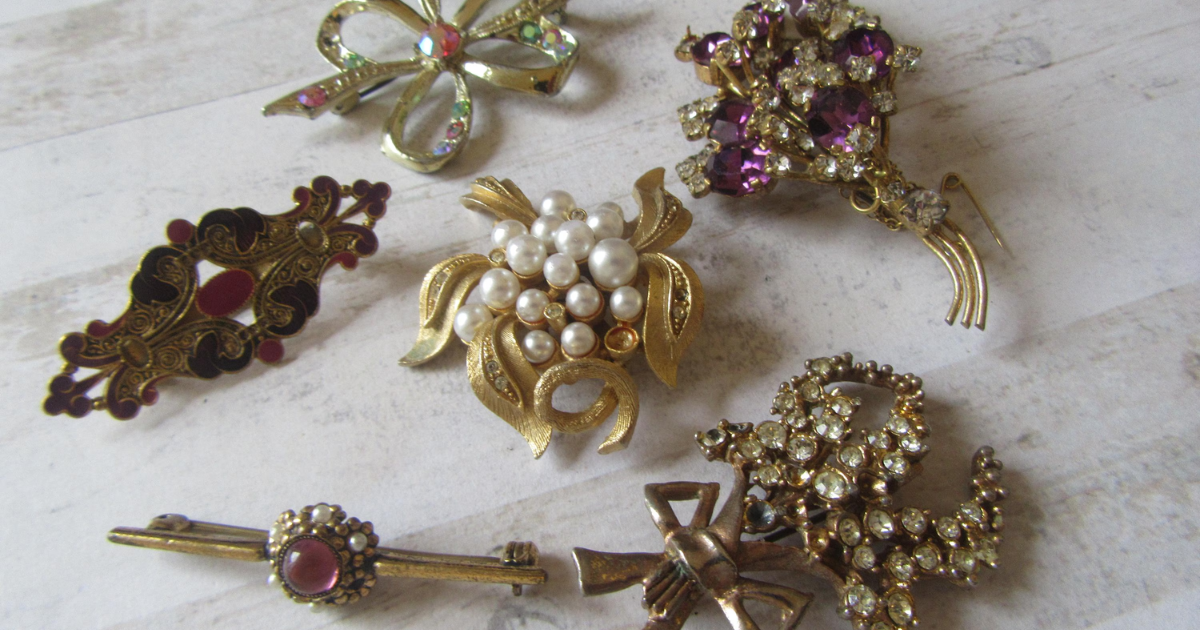
While gold content forms the foundation of value, craftsmanship can increase it. Designer pieces, antique jewelry, or items with intricate workmanship may be worth more than their melt value alone.
For example, a signed designer bracelet or a vintage piece with unique details could attract collectors. In these cases, the value of gold jewelry goes beyond metal and enters the realm of desirability and rarity.
This is where working with knowledgeable professionals becomes especially important.
Condition Is Less Important Than You Think
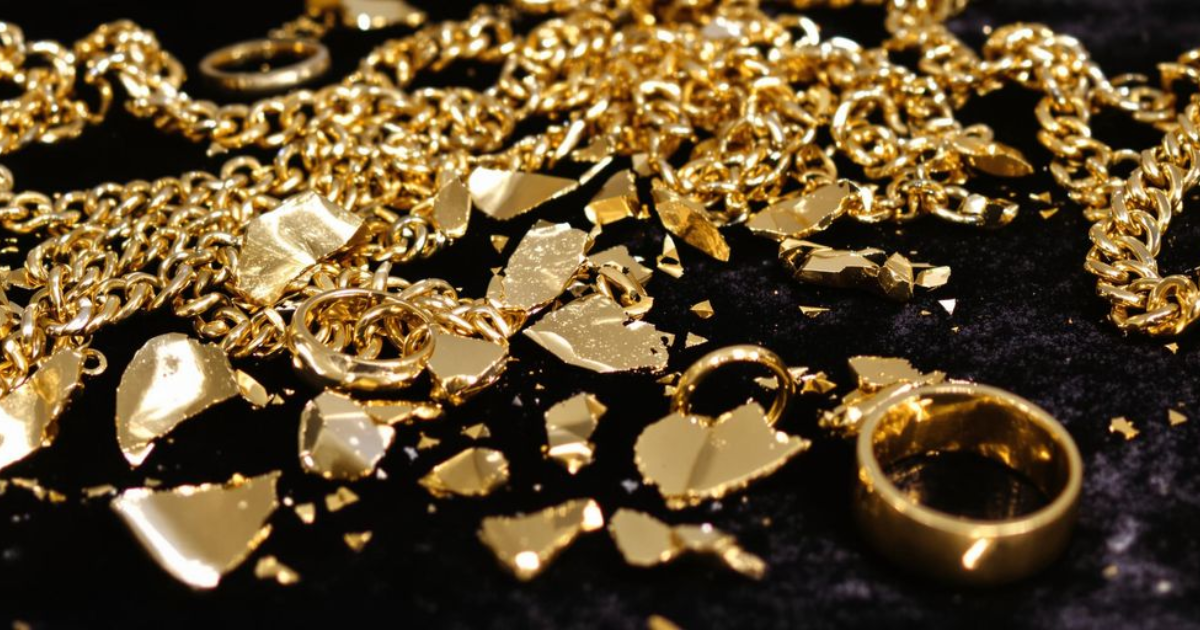
Many sellers worry that scratches or wear reduce value. In reality, minor wear usually has little impact on gold’s intrinsic worth. Even broken gold jewelry can still be valuable because the gold itself remains usable.
This surprises many people, learning what affects gold jewelry value for the first time. While condition may matter for resale as a finished piece, gold buyers primarily focus on purity, weight, and market price.
Why Professional Evaluation Makes a Difference
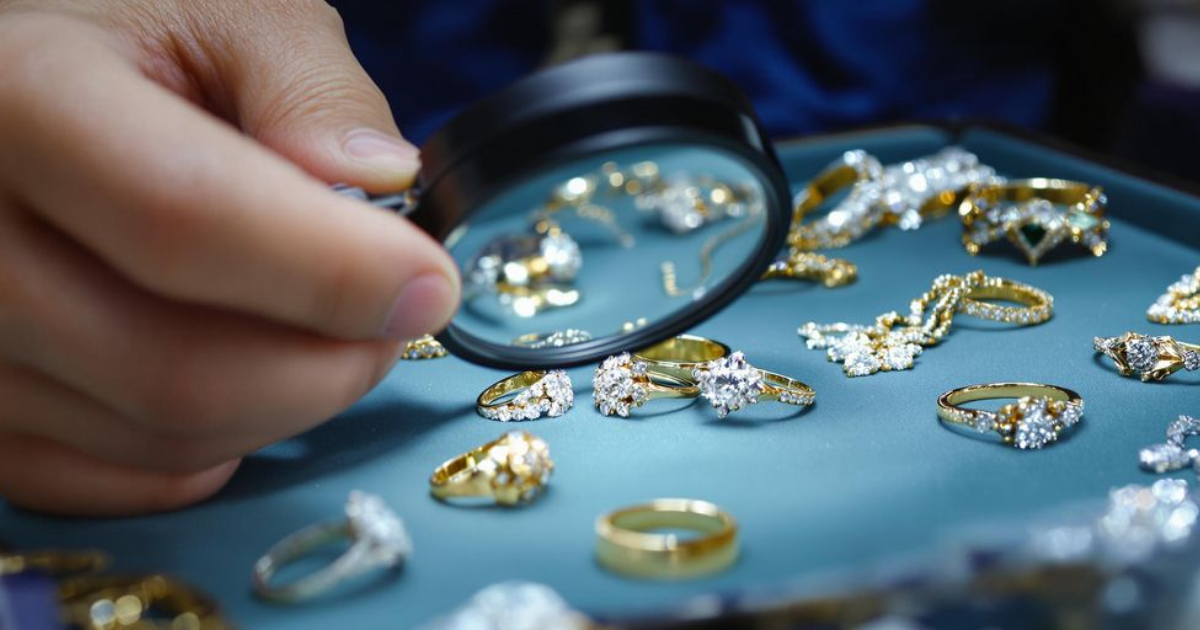
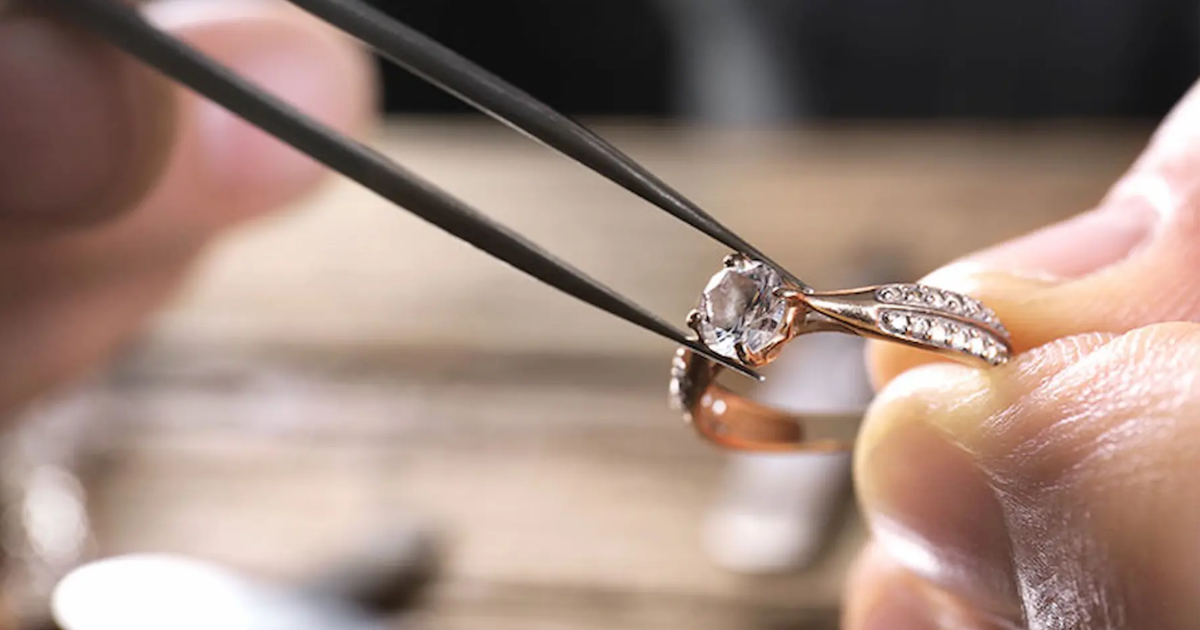
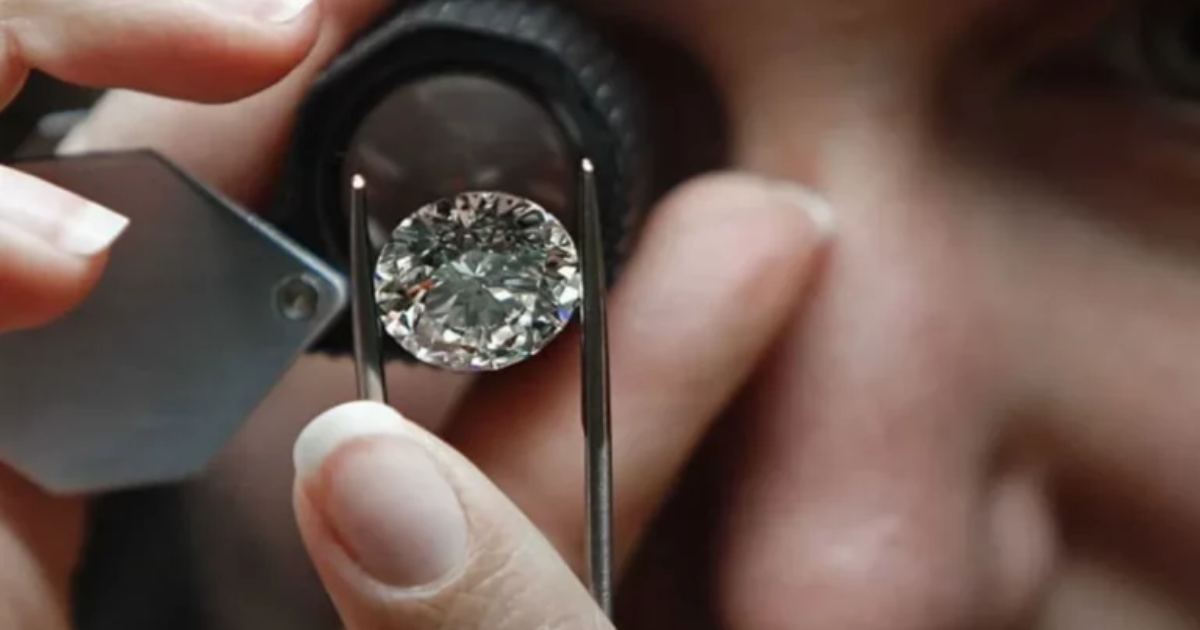
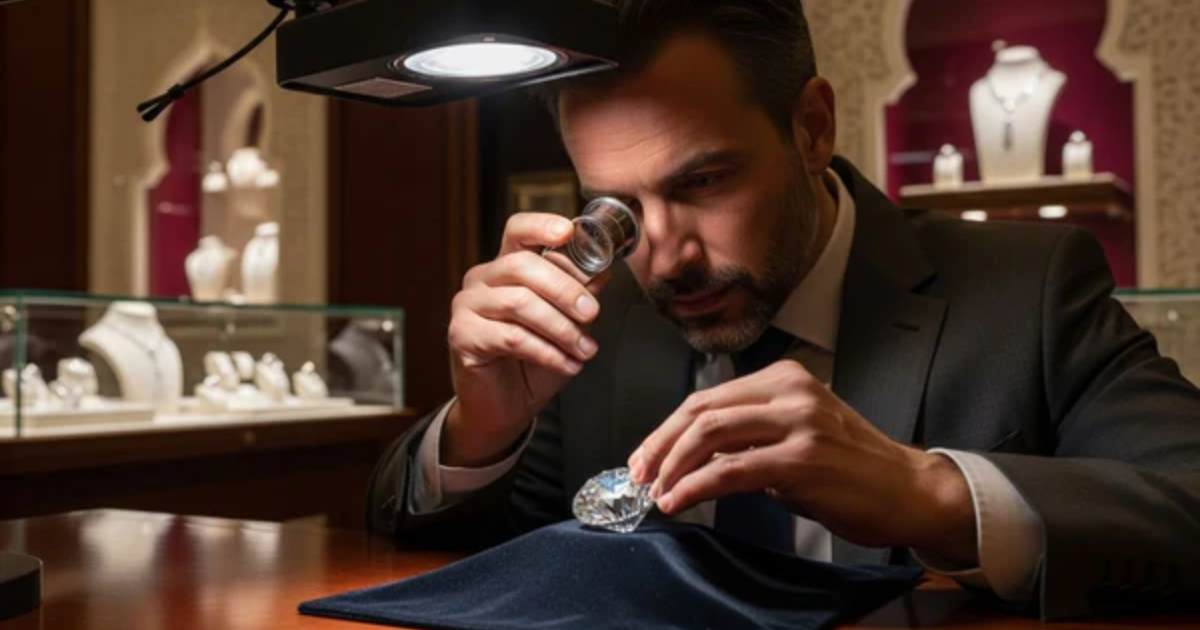
Understanding these factors is helpful, but having them applied accurately requires expertise. Professional buyers use precise testing methods to evaluate purity, weigh gold correctly, and account for market conditions.
When you work with specialists like Ayan Jewelry, you gain clarity on exactly how your gold jewelry is valued and why an offer is made. Transparency makes the process far more comfortable and trustworthy.
Final Note
Knowing what affects gold jewelry value puts you in control. Purity, weight, market price, and craftsmanship all work together to determine what your jewelry is worth. When you understand these factors, you’re better prepared to recognize fair offers and avoid confusion. If you’re considering selling gold jewelry and want an honest, expert evaluation, reach out to us.