Why Jewelry Appraisals Vary By Buyer and What It Means for You
If you’ve ever taken the same piece of jewelry to two different buyers and walked away with very different numbers, it can feel frustrating. Many sellers assume something must be wrong, but this situation is more common than you might expect. Understanding jewelry appraisals and how they vary by buyer helps you interpret those numbers with clarity instead of doubt.
Jewelry value is not a fixed figure. It changes depending on how a buyer evaluates the piece, what they specialize in, and how they plan to resell it. Once you understand these differences, the process becomes far less confusing and much more transparent.
Before accepting any offer, it’s worth taking a closer look at why jewelry appraisals vary by buyer and how those differences can work in your favor.
Different Appraisals Serve Different Purposes
One major reason why jewelry appraisals vary by buyer is the purpose behind the appraisal itself. Some appraisals are created for insurance replacement, while others are meant to determine resale value.
Insurance appraisals are often higher because they reflect what it would cost to replace the item at retail. Resale-focused appraisals reflect what the jewelry can realistically sell for on the secondary market. When sellers compare these two numbers without context, the difference can feel alarming.
Understanding the intent behind an appraisal helps you make sense of the value presented.
Experience and Specialization Shape Valuation
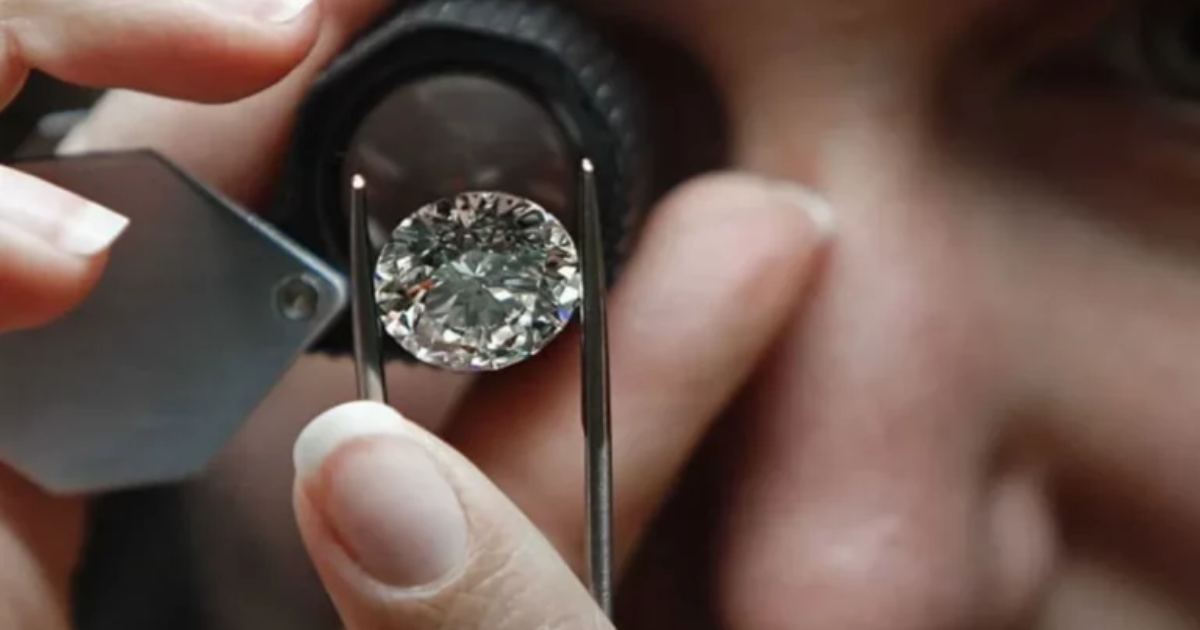
Another key factor is the buyer’s expertise. A general jewelry buyer may focus mainly on metal weight and basic gemstone characteristics. A specialist, however, may recognize antique value, designer signatures, or craftsmanship details that others overlook.
This difference in knowledge plays a significant role in jewelry appraisals, especially for estate jewelry or high-end pieces. Buyers who regularly work with fine jewelry tend to evaluate more layers of value.
Working with experienced professionals like Ayan Jewelry often leads to clearer explanations and a more detailed breakdown of how value is determined.
Market Access Influences the Final Number
Not all buyers sell jewelry the same way. Some resell locally, while others work with collectors, auctions, or international markets. Access to broader resale channels can affect how much a buyer is willing to offer.
This is another reason why jewelry appraisals vary from buyer to buyer, even when the item itself hasn’t changed. A buyer with more options may be able to pay more because they know where the piece fits best.
Understanding this difference helps sellers recognize that variation doesn’t always mean inconsistency.
Condition and Material Are Weighed Differently
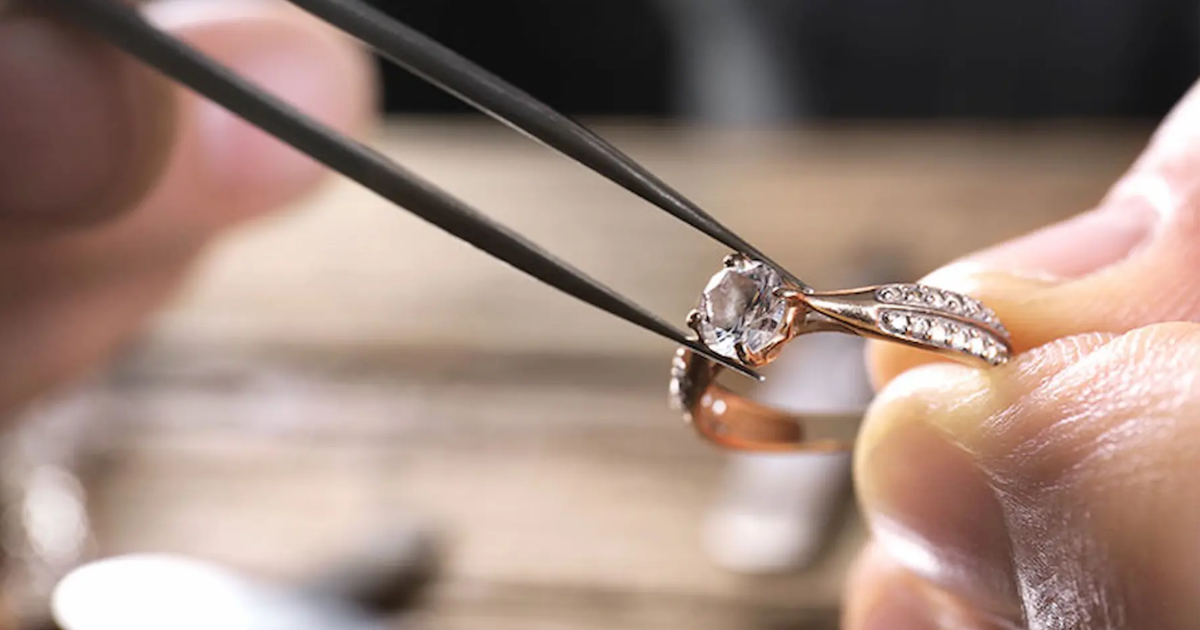
Some buyers emphasize cosmetic condition, while others focus more on intrinsic value, such as gold content or gemstone quality. A scratch or worn prong might significantly affect one appraisal but matter far less to another buyer.
Final Note
Knowing why jewelry appraisals vary by buyer allows you to approach selling with confidence instead of confusion. Appraisal purpose, buyer expertise, resale access, and evaluation criteria all shape the final number.
If you want a transparent explanation of how your jewelry is valued and why, contact us if you want to learn more about jewelry appraisal or want it done yourself.