
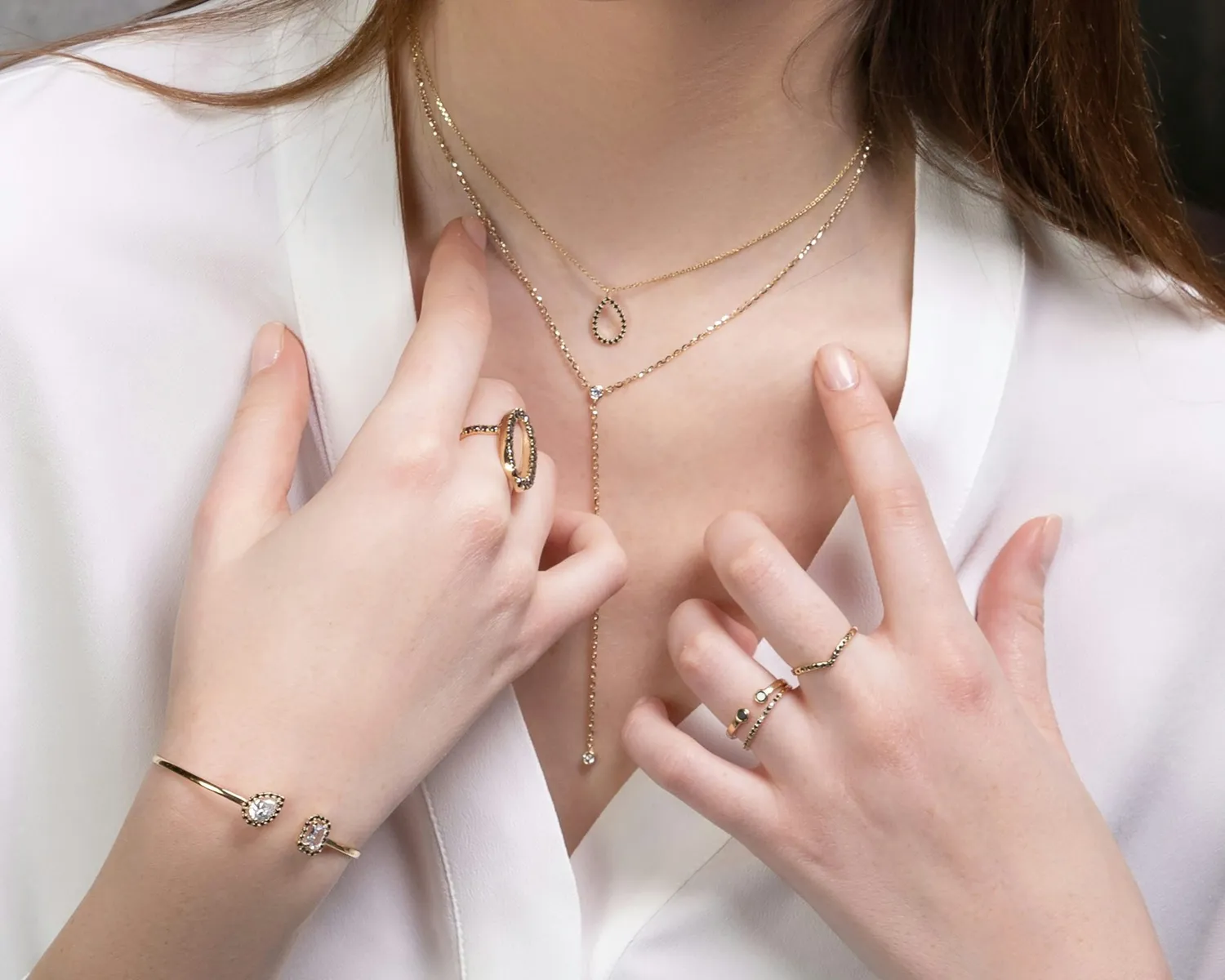
Atlanta & New York City
Sell Your Jewelry Now
Sell your jewelry, gold, diamonds, and watches securely to the best buyer in the country.
How It Works
Book a Free Evaluation
Call or set an appointment with us and bring your valuables for a free and secure in-person appraisal to either our New York or Atlanta office. or send photos for a preliminary estimate.
Book an Appointment →Transparent Assessment
Our staff of certified GIA gemologists and industry professionals will evaluate your precious metals, jewelry, and diamonds and explain to you exactly what you have and what it is worth in the current market.
Same-Day Payment
We will finally make an industry-leading cash offer, and you will receive immediate payment securely.
Visit Us in Atlanta or New York City
 Buckhead · Atlanta
Atlanta Office
Visit us in Buckhead at our Atlanta office for a secure, free, and private appraisal of your precious metals, jewelry, and diamonds. Receive a market leading cash offer with instant and secure payment. Set an appointment or call us today!
3500 Lenox Rd NE, Suite 1500Atlanta, GA30326 (678) 274-2304
 Diamond District · New York City
New York City Office
Visit us in Manhattan at our New York City office for a secure, free, and private appraisal of your precious metals, jewelry, and diamonds. Receive a market leading cash offer with instant and secure payment. Set an appointment or call us today!
47 W 47th Street, Suite 4DNew York, NY10036 (678) 972-5338
What Our Clients Say
★★★★★ 5.0 from 70+ Google reviews
-
★★★★★
“Have done a few deals with Caleb and he is always direct and fair. I look forward to working with him again soon. He is a great buyer and the quality of the pieces he sells is excellent.”

-
★★★★★
“Recently went on a trip to visit the city and stopped by their shop. Was extremely happy with the service and care they put into their jewelry. Girlfriend and I are so happy with our jewelry. Will be coming back”
-
★★★★★
“Excellent service and prices Ayan made everything as smooth as possible!”
What We Buy
From a single gold ring to a full estate collection, our specialists evaluate every piece with care — and pay what it’s truly worth.
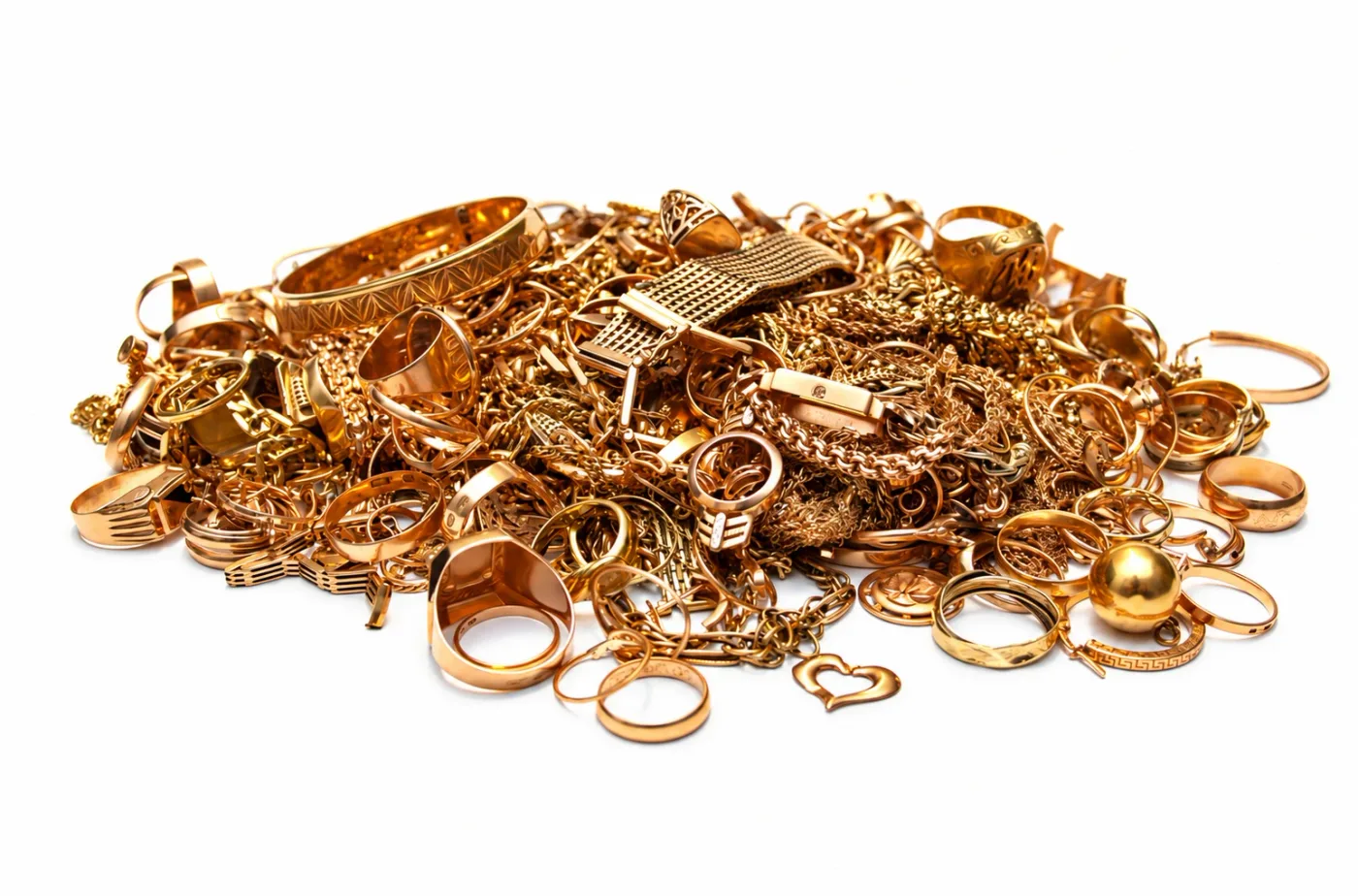
Gold & Precious Metals
- Gold jewelry (10K–24K)
- Scrap & broken gold
- Gold coins & bullion
- Silver & platinum
- Dental gold
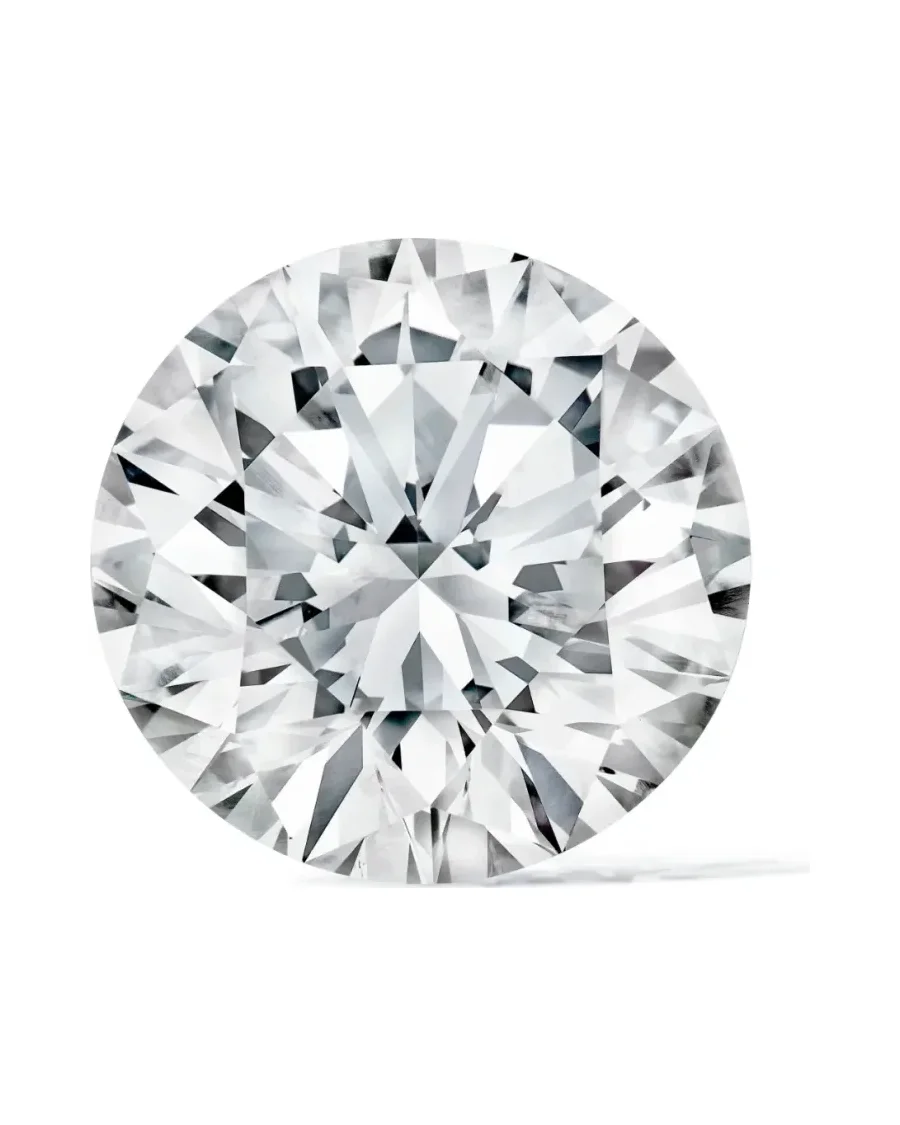
Diamonds
- Loose diamonds
- Engagement rings
- GIA / certified diamonds
- Diamond earrings & pendants
- Colored diamonds
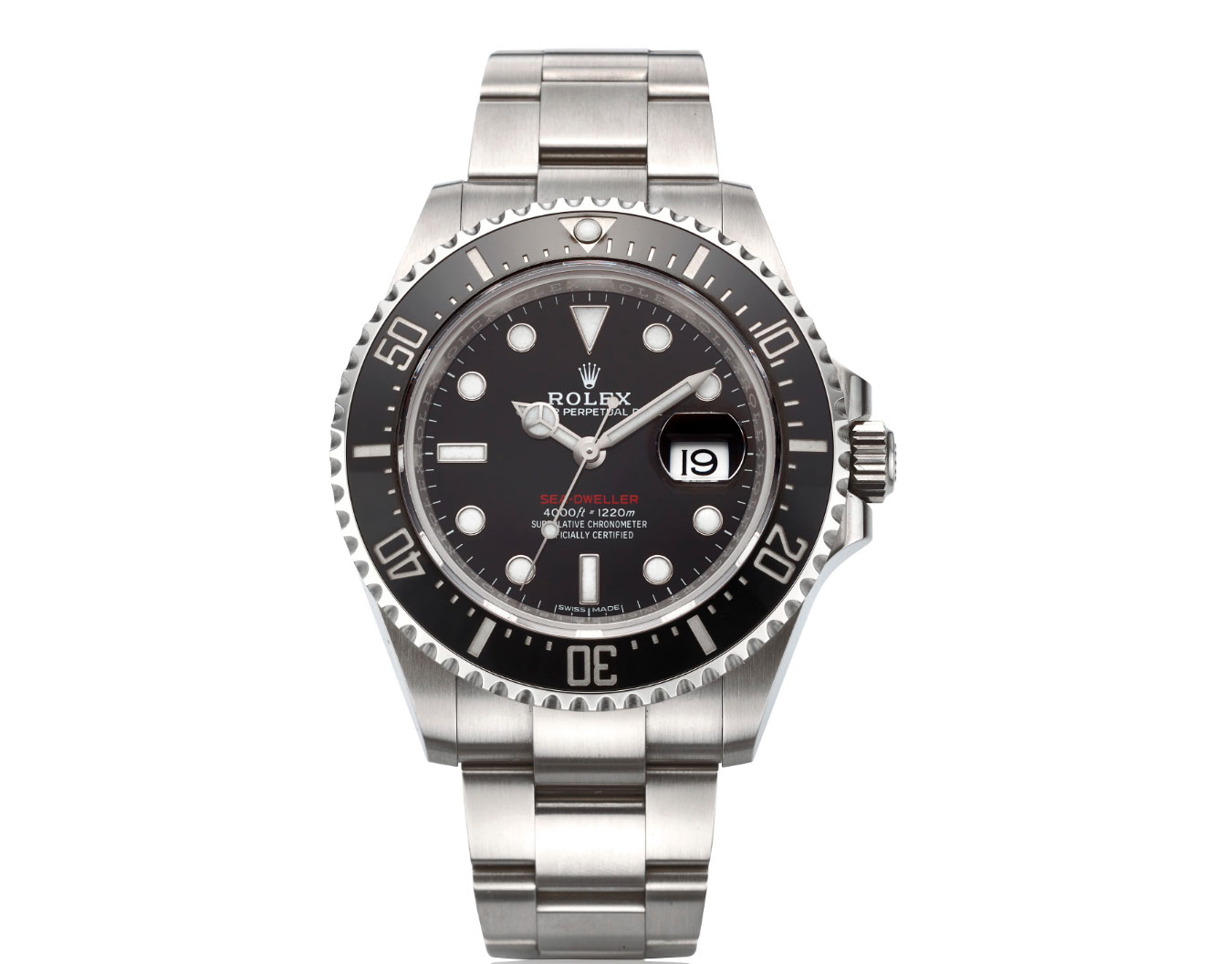
Luxury Watches
- Rolex
- Cartier
- Patek Philippe
- Audemars Piguet
- Omega & Breitling
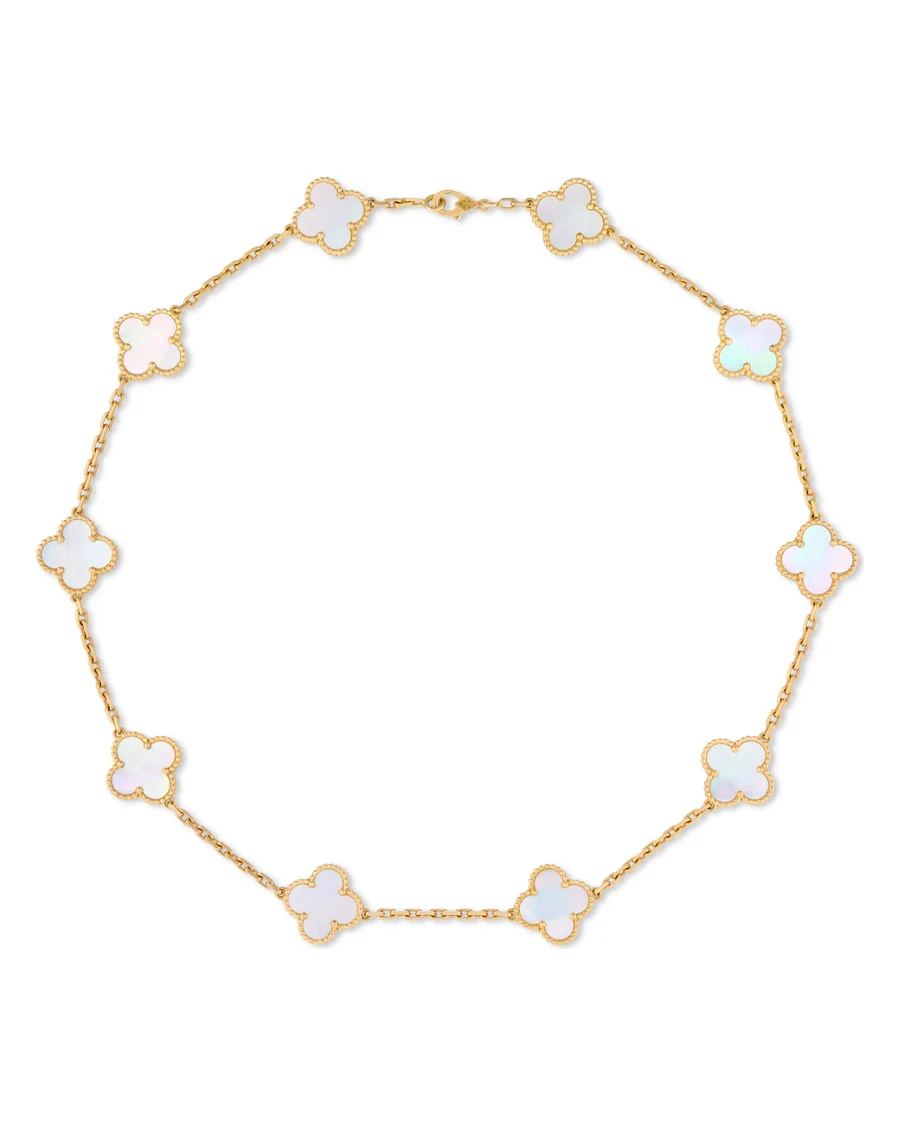
Estate & Designer Jewelry
- Estate & antique jewelry
- Tiffany, Cartier, Van Cleef & Arpels
- Colored gemstones
- Signed designer pieces
- Full estate collections

Color Gemstones
- Sapphire, Emerald, Ruby
- Paraíba Tourmaline, Alexandrite, Sphene
- Kashmir Sapphire, Burma Ruby
- Colombian Emerald, Russian Alexandrite
- All colors & many more
Industry-Leading Payouts
We have paid out more than $15,000,000 for fine jewelry, scrap gold, bullion, and diamonds, and every offer is built the same way: tested, weighed, and graded in front of you, priced against the live market, and explained line by line.
If a competitor has quoted you more, bring the quote. We will show you how the two compare and, where we can, beat it. We would rather earn your business with a clear number than a vague promise.
Founded in 2020 and backed by many years of jewelry buying and appraisal experience, our buyers and GIA gemologists evaluate every piece carefully so your offer reflects what it is really worth.
Once you accept our offer, you receive immediate payment by cash or check in a secure, safe, no-pressure environment.
Recently Bought
A look at what we’ve paid recently for diamonds, gold, watches, and estate pieces. Your item could be next.
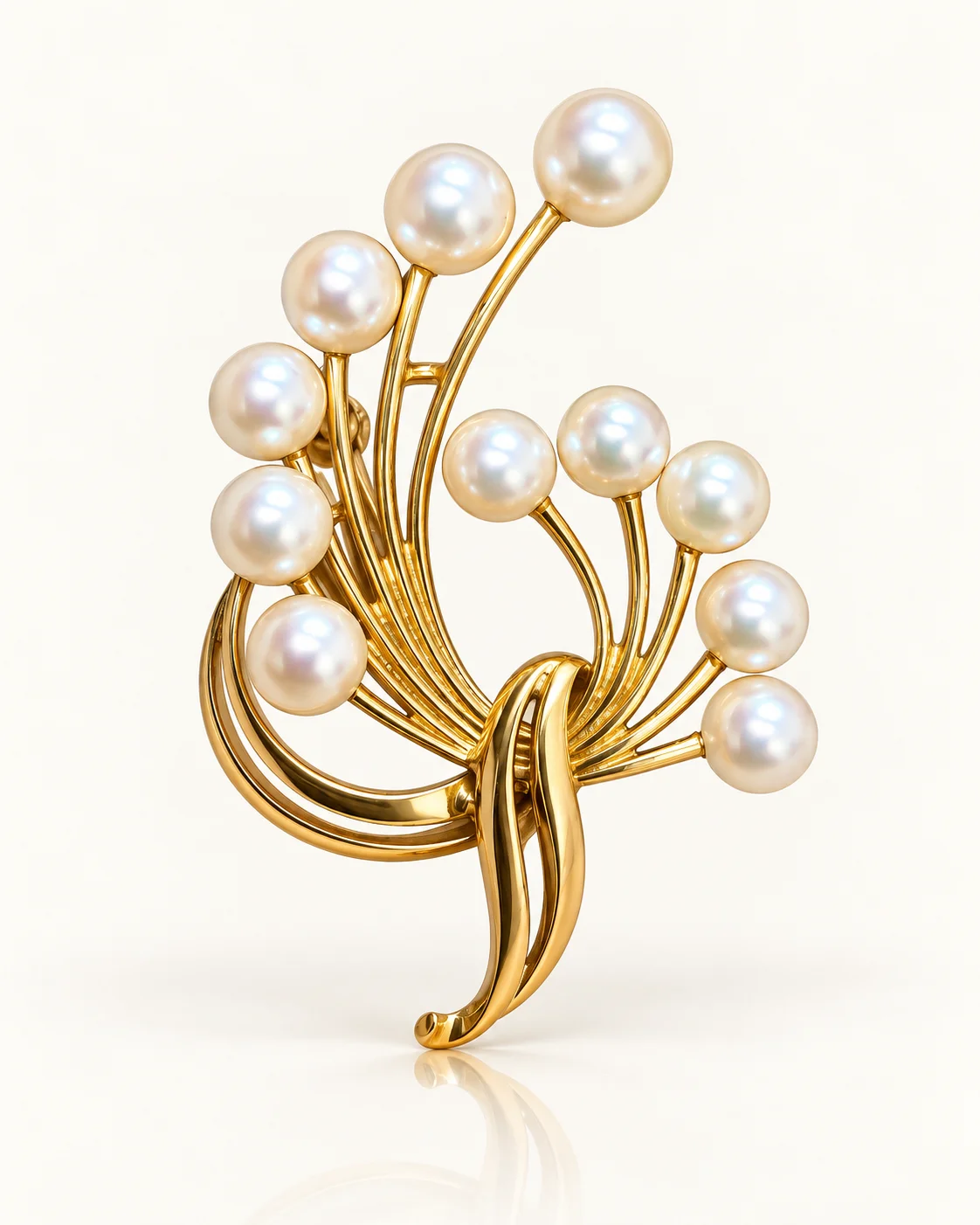
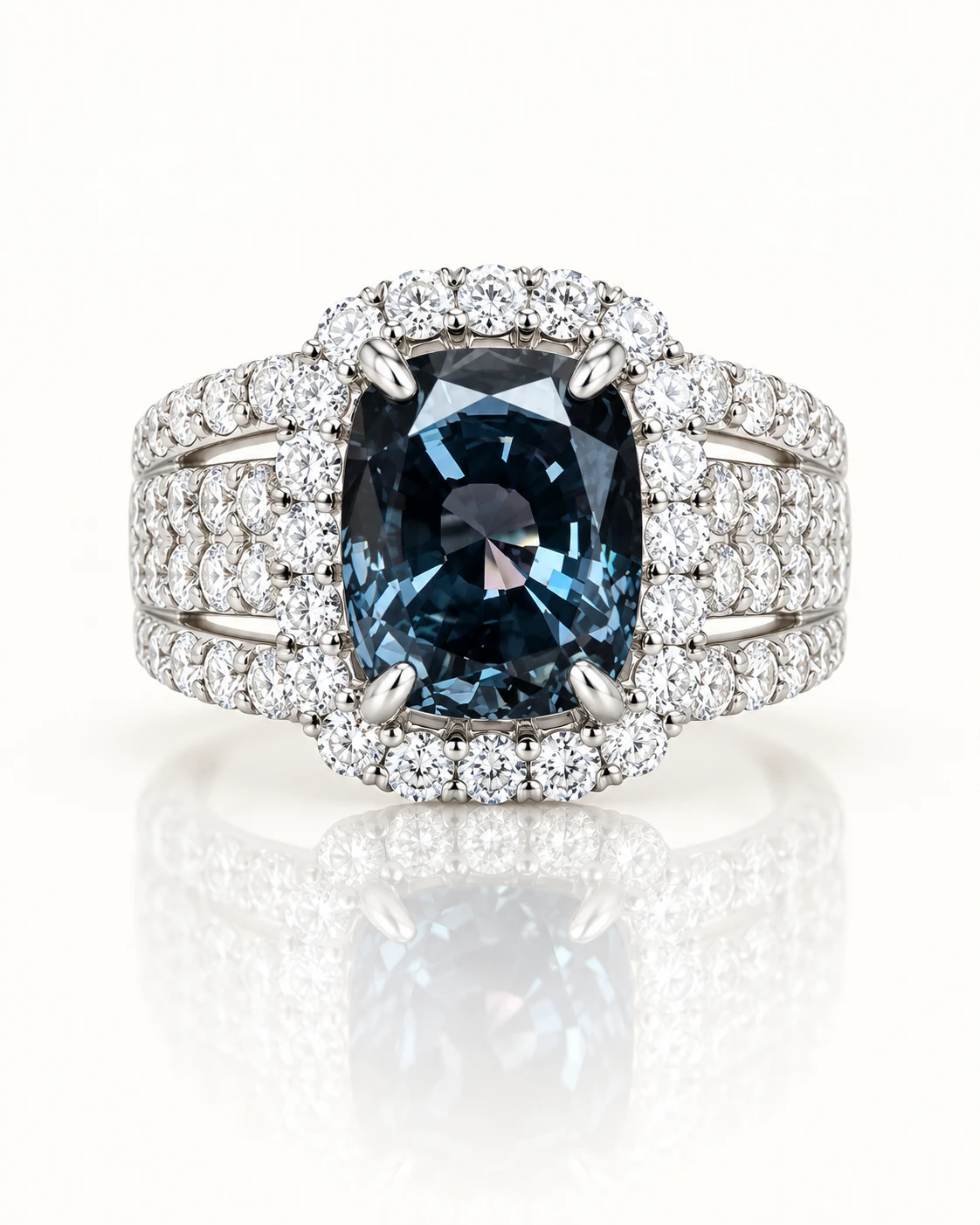
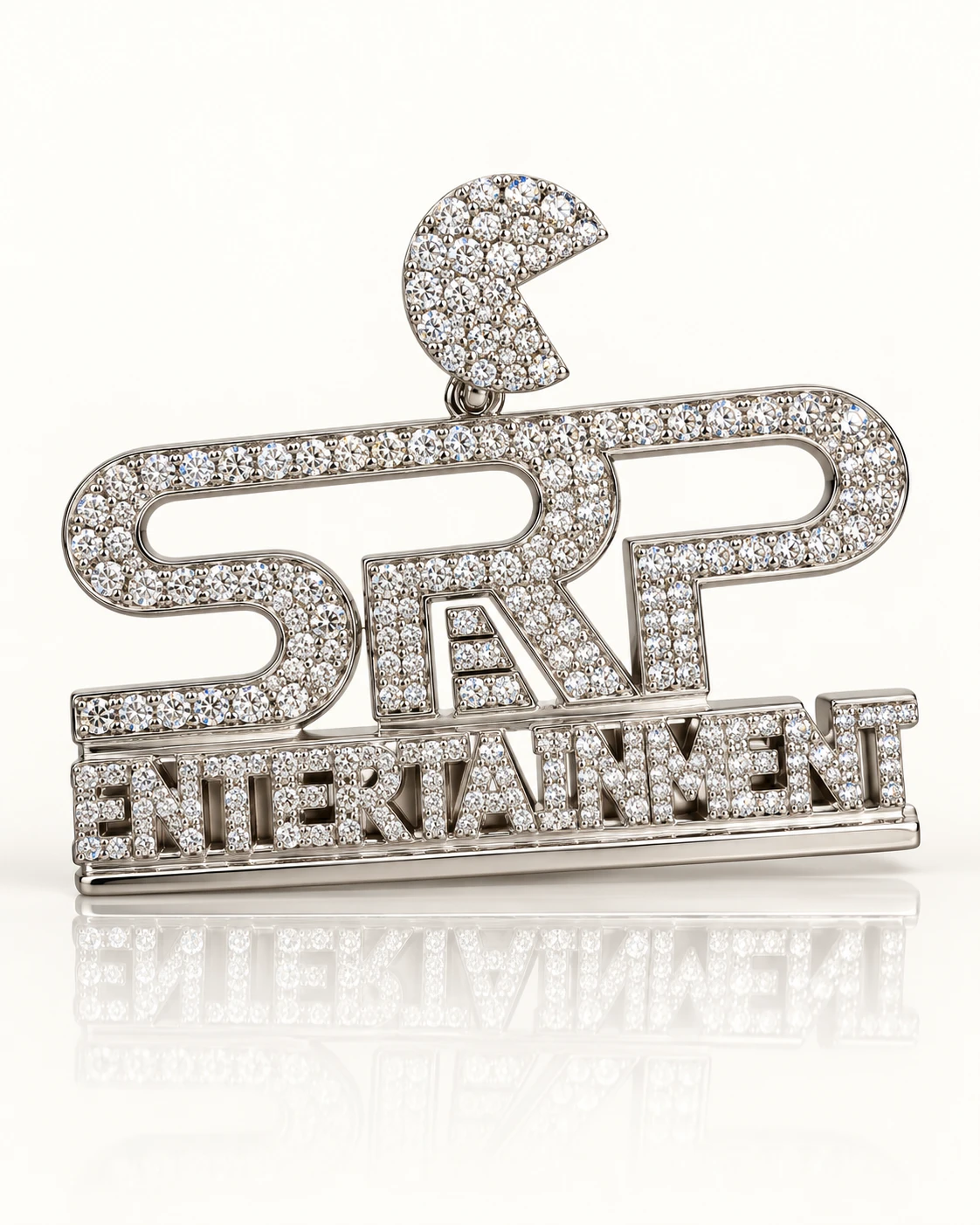
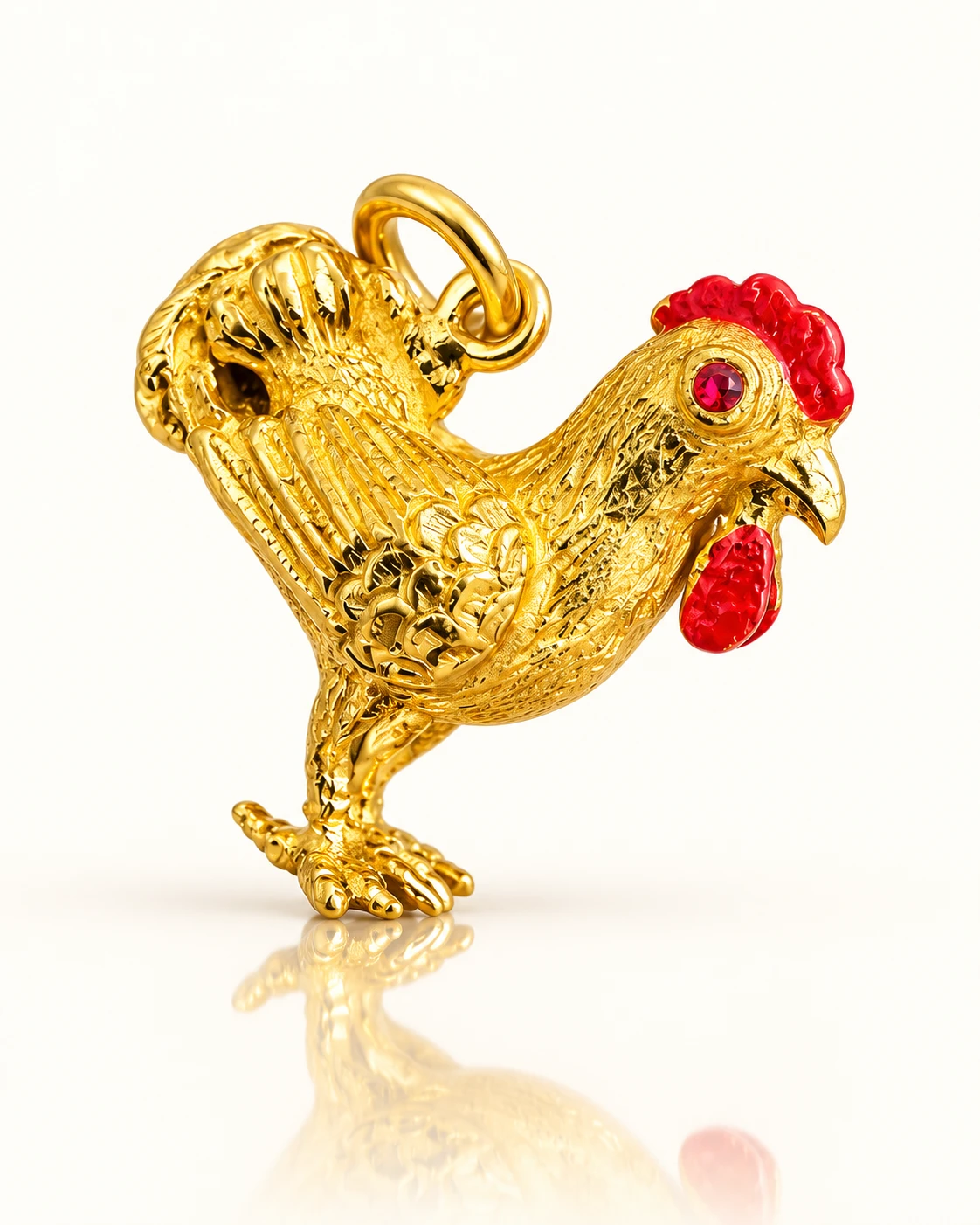
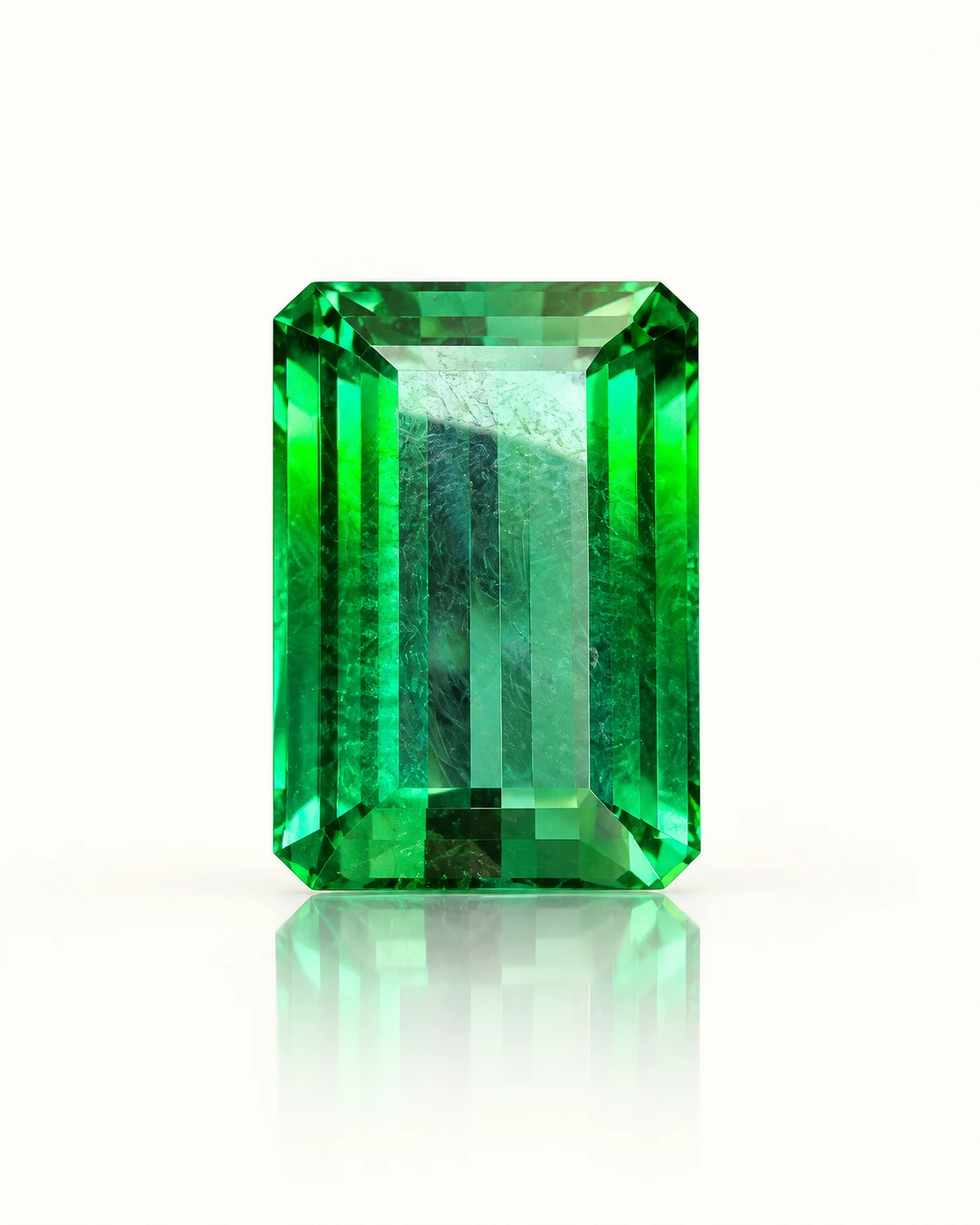
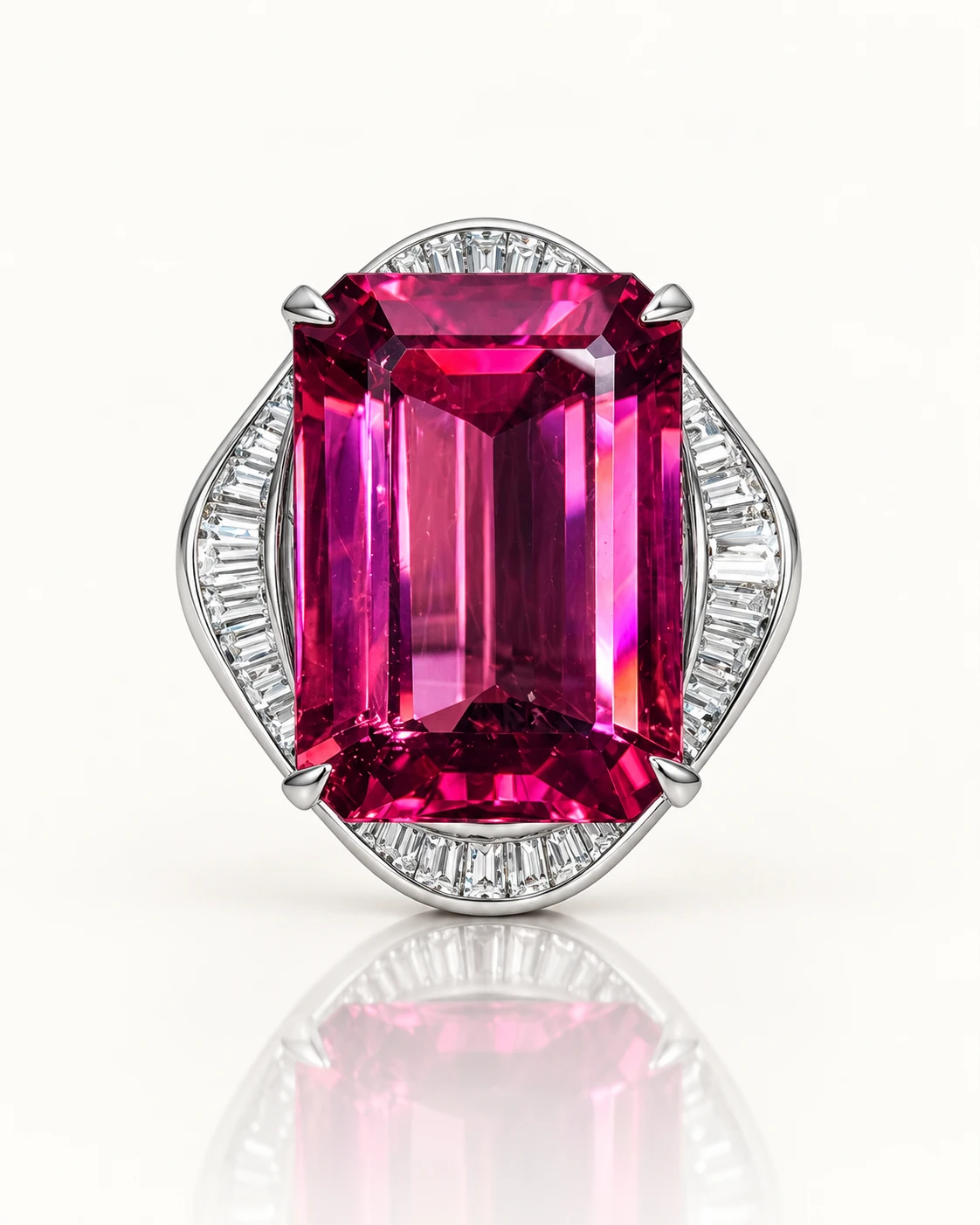
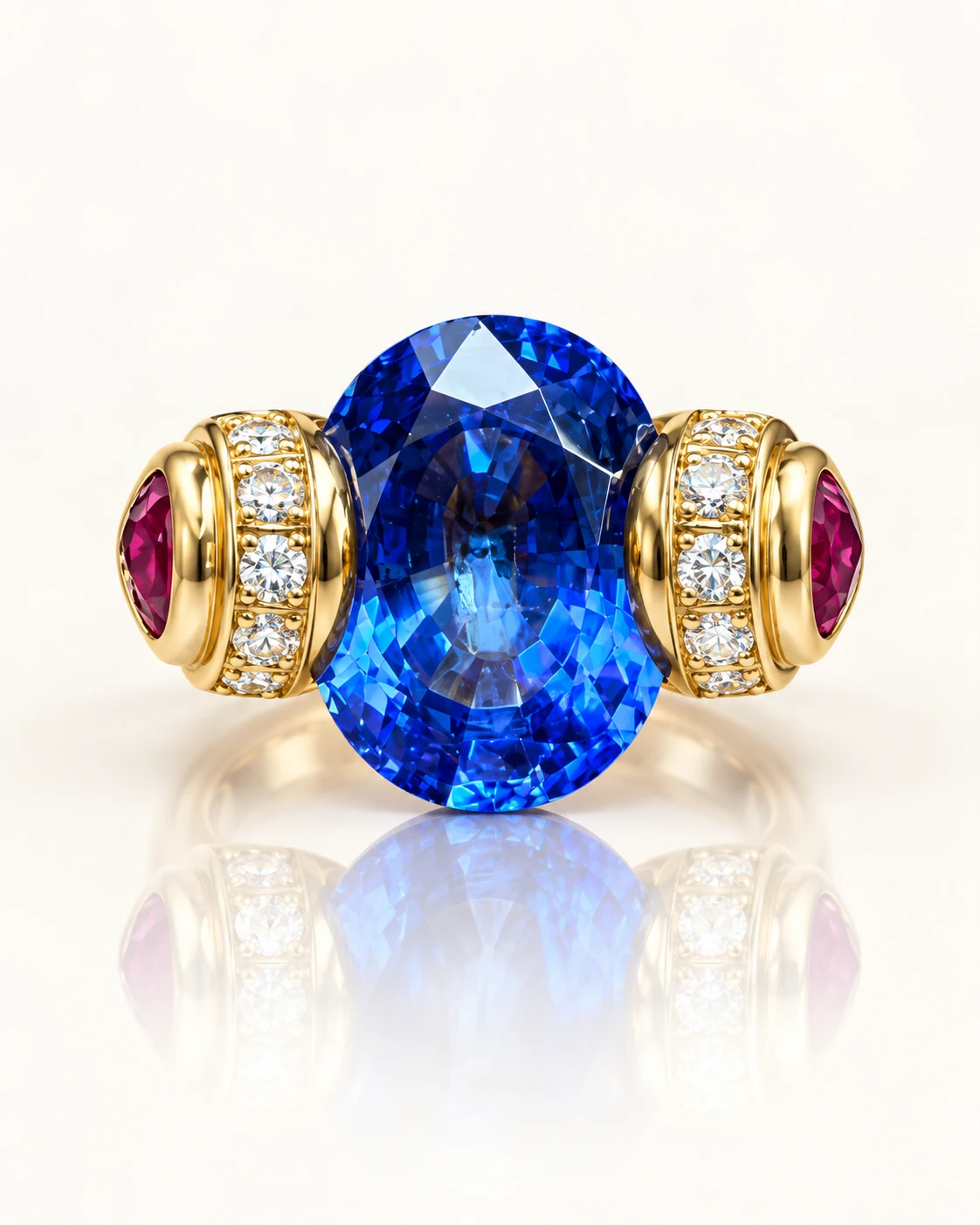
Amounts reflect actual recent purchases. Offers vary with the live market, condition, and each item’s specifications. See all recent purchases →
A Better Way to Sell
Transparent Evaluations
Every item is tested and weighed in front of you, with a clear explanation of exactly how we arrived at your offer.
Same-Day Payment
Accept your offer and get paid on the spot — cash, check, or wire. No waiting, no consignment delays.
No Pressure, Ever
Our offers are free and carry zero obligation. Take your time, compare quotes, and decide when you’re ready.
Experience You Can Trust
Founded in 2020 and backed by many years of jewelry buying and appraisal experience, serving clients across metro Atlanta and New York City.
Frequently Asked Questions
How do you determine what my jewelry is worth?
We evaluate every item based on the live precious metals market, diamond quality (cut, color, clarity, and carat weight), brand, condition, and current resale demand. Everything is tested and weighed in front of you, and we walk you through exactly how we arrive at our offer.
Do I need an appointment to sell my jewelry?
Walk-ins are welcome at both our Atlanta and New York City offices, but we recommend booking an appointment for larger collections or estate pieces so a senior specialist can be available for you.
How fast do I get paid?
Immediately. Once you accept our offer, we pay the same day by cash, check, or wire transfer — your choice.
Is there any cost or obligation for an evaluation?
None. Evaluations are always free, and you are never obligated to sell. If you decline our offer, your items go home with you — no pressure, no fees.
What should I bring to my evaluation?
Bring the items you want evaluated along with a government-issued photo ID (required by law for precious metal purchases). Certificates, appraisals, original boxes, and papers can increase your offer, but they are not required.
Ready to See What Your Jewelry Is Worth?
Free evaluations. Fair offers. Same-day payment. Visit us in Atlanta or New York City, or start with a photo quote today.