The Cash for Gold Process: A Complete Step-by-Step Guide
The idea of turning old or unwanted gold jewelry into immediate cash sounds simple, and in the right hands, it genuinely is. But the cash for gold process, step by step, has enough moving parts that being unprepared can cost you real money. This guide walks you through every step: from understanding what makes gold valuable, to preparing your pieces, choosing the right buyer, going through the evaluation, and finally getting paid. Follow this roadmap, and you will not leave a single dollar on the table.
Step 1: Gather and Inventory Your Gold
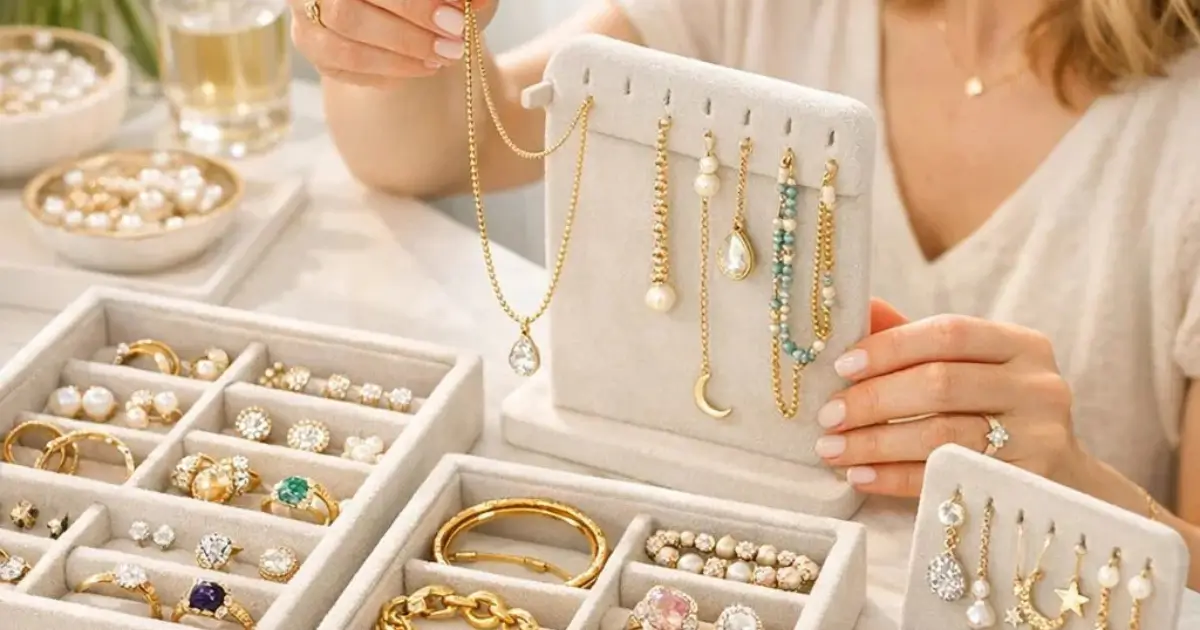
The first step is to collect everything you want to sell and take stock of what you have. Go through your jewelry boxes, safe deposit boxes, and any storage areas where jewelry might be kept. Do not overlook:
- Broken chains and bangles
- Old rings, earrings, and pendants (even single earrings)
- Gold dental gold (bridges, crowns)
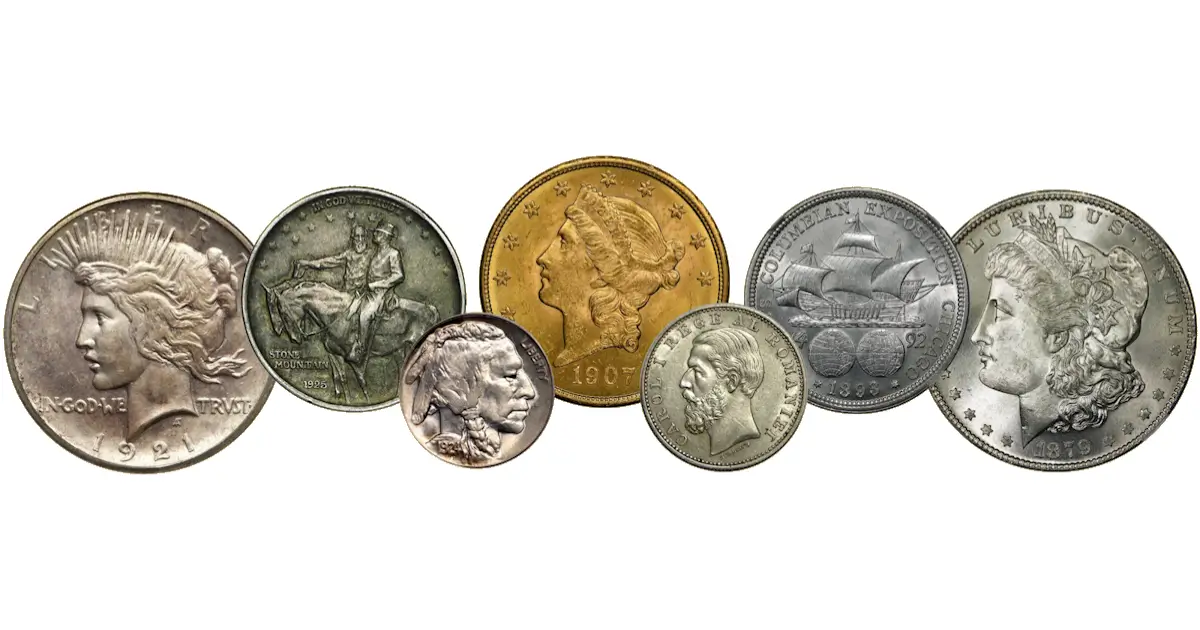
- Gold coins and bullion
- Charm bracelets
- Watches with gold cases or bracelets
- Sterling silver items (these are separate from gold but valuable in their own right)
Even pieces that seem damaged, outdated, or incomplete have value. A broken 18K gold chain still contains 75% pure gold by weight.
Step 2: Identify What You Have, Karats and Marks
Look carefully at each piece for small stamps or hallmarks. On most gold jewelry sold in the United States, you will find a karat marking:
| Stamp | Purity | Gold Content |
| 10K / 417 | 41.7% | Least valuable |
| 14K / 585 | 58.3% | Most common in the US |
| 18K / 750 | 75% | Higher value |
| 22K / 916 | 91.6% | Frequently found in Indian and Middle Eastern jewelry |
| 24K / 999 | 99.9% | Pure gold, often bullion |
European and international pieces may use the millesimal fineness system (585, 750, 916) instead of karat designations. These represent the same purity levels.
Be aware of pieces marked GF (gold-filled), GP (gold-plated), RGP (rolled gold plate), or HGE (heavy gold electroplate). These contain only a thin layer of gold over a base metal and have very little gold value. Do not confuse these with solid gold pieces.
Step 3: Know the Current Gold Price
Gold prices change every trading day. Before you visit any buyer, check the current live spot price for gold. Reliable sources include:
- Kitco.com, real-time gold spot prices
- APMEX.com, live precious metals pricing
- World Gold Council (gold.org), gold market data
The spot price is quoted per troy ounce (31.1 grams). This is the baseline that all buyers use to calculate offers. Buyers will offer you a percentage of the spot price based on the gold content in your pieces. Most reputable gold buyers pay 70–90% of the melt value for standard gold jewelry. For fine estate jewelry, designer pieces, or items with significant gemstones, a specialist buyer may pay considerably above melt value.
Step 4: Research Buyers in Your Area (or Online)
Not all gold buyers are equal. Before you walk into anyone’s office, research your options:
Types of buyers, ranked by typical offer quality:
- Specialty estate jewelry buyers, best for fine or designer jewelry, pay full value, including craftsmanship, gemstones, and brand premiums
- Independent jewelers with buying programs, better than pawn shops; some expertise in fine pieces
- Online gold buying services are competitive for plain gold if you choose reputable companies
- Pawn shops are convenient but typically offer the lowest prices; generalists with limited gemological expertise
Check Google reviews, BBB ratings, and Yelp. Ask the buyer directly: Do you have certified gemologists? Can you explain how you calculate your offer? What is your payment method and timeline?
Step 5: Prepare Your Items
Before your appointment:
- Lightly clean your pieces. A gentle rinse with warm water and mild soap removes surface grime and lets the buyer see the pieces clearly. Do not aggressively clean antique pieces. Original patina has value.
- Separate by karat if you can identify them. Keeping pieces grouped by purity makes the evaluation faster.
- Gather any documentation. Appraisals, GIA reports, original receipts, or certificates all help establish value and credibility.
- Keep original packaging. Boxes and certificates for branded pieces (Tiffany, Cartier, etc.) add value.
- Take photographs of your pieces beforehand. This gives you a personal record.
Step 6: The In-Person Evaluation
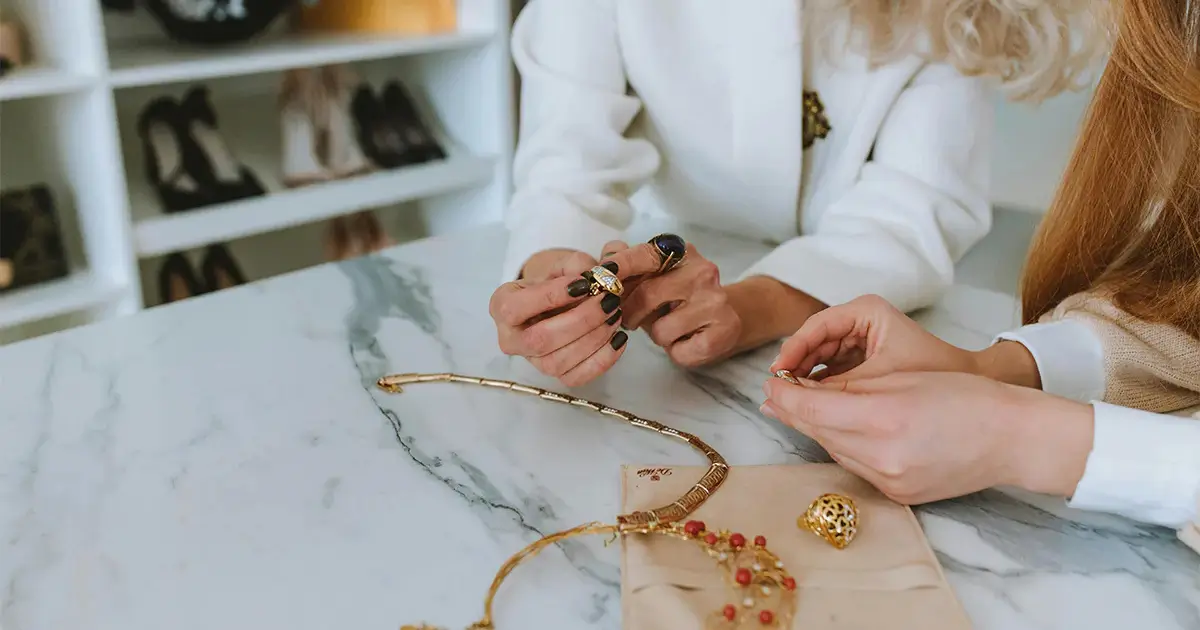
When you arrive at the buyer’s location, here is what a transparent, professional evaluation looks like:
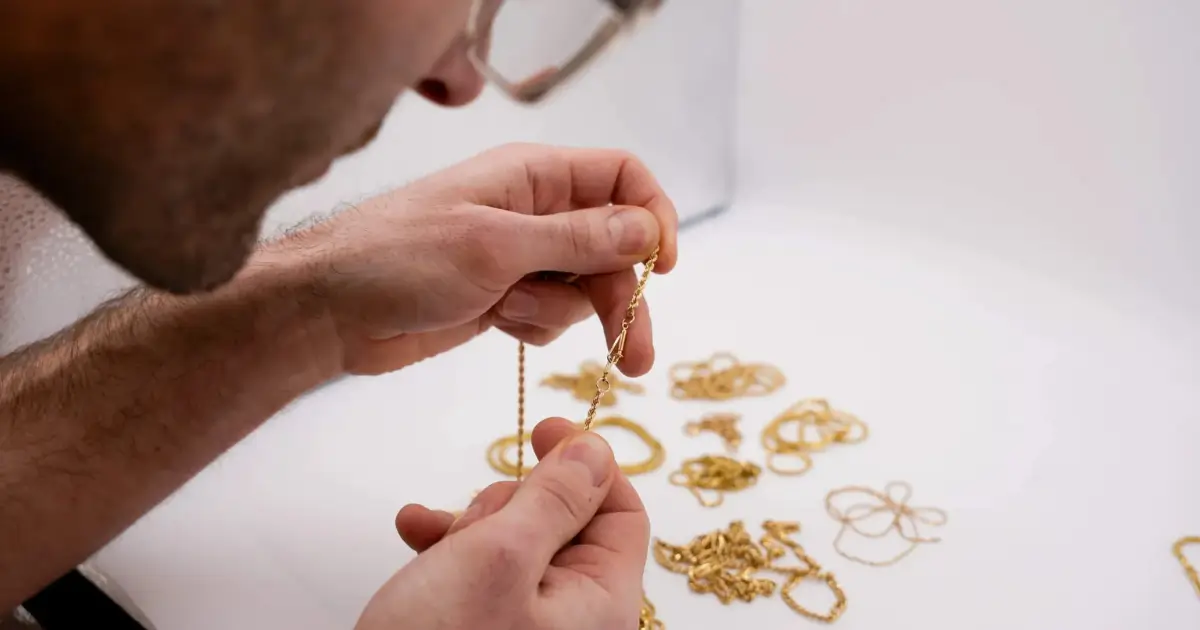
- Metal Testing and Weighing. The buyer will test each piece to confirm its purity using one of these methods: – Acid testing: A small amount of acid is applied to a tiny, inconspicuous area of the piece. The reaction (or lack thereof) indicates the gold’s purity. Slightly destructive but accurate and widely used. – XRF (X-ray fluorescence) analysis: A handheld device non-destructively analyzes the metal’s elemental composition instantly and with high precision.
After purity is confirmed, each piece is weighed on calibrated electronic scales. Weight is typically measured in grams or pennyweights (dwt), with 20 dwt to the troy ounce.
- Gemstone Evaluation: If your pieces contain diamonds or colored gemstones, a qualified buyer will examine them under magnification and assess carat weight (measured or estimated from dimensions), quality, and market demand. Plain small diamonds may only be valued at material rates, but significant stones, especially those 0.5 carats and larger, have their own market value that a specialist buyer will factor into the offer.
- Designer or Antique Assessment: A specialty buyer will also assess whether the piece carries any premium as a designer or antique item. A Cartier Love bracelet in 18K gold is worth dramatically more than its gold weight. A Victorian mourning ring may appeal to collectors well beyond its metal value. This is where choosing the right buyer pays the biggest dividends.
- The Offer. Based on all the above, the buyer presents you with an offer. A transparent buyer will show you exactly how they arrived at the number: – Gold weight × purity percentage × spot price × their buying percentage = gold component – Plus any gemstone value – Plus any designer/antique premium.
You are under no obligation to accept. A reputable buyer will never pressure you.
Step 7: Compare Offers If You Are Unsure
If the offer does not feel right, get a second opinion. Bring your pieces to at least one other reputable buyer and compare. Most honest buyers expect this and will not be offended. The difference between the lowest and highest offer for the same piece can sometimes be substantial, especially for fine jewelry.
Step 8: Accept the Offer and Get Paid
When you find an offer that reflects the true value of your pieces, accept it. Standard payment methods from reputable buyers include:
- Check, most common, typically available same-day
- Wire transfer arrives within 1–2 business days
- Online payment (PayPal, Venmo, Zelle), immediate
- Cash, for smaller transactions
You should receive a receipt documenting the items sold and the payment amount.
Step 9: For Remote Sellers, The Shipping Process
If you are selling to a buyer who is not local to you, reputable companies offer free prepaid insured shipping (typically via FedEx). The process:
- Contact the buyer and describe your items
- Receive a prepaid, insured shipping label
- Package your items carefully, use padding to prevent movement; wrap pieces individually
- Ship to the buyer’s secure receiving facility
- The buyer evaluates and calls you with an offer
- Accept or decline. If you decline, they return your items at no cost
- If you accept, payment is issued promptly
Always use the provided tracked and insured label. Never ship jewelry via regular mail or without insurance.
Key Takeaways
Getting the best cash-for-gold outcome comes down to three things: knowing what you have, checking the current market rate, and choosing the right buyer for the type of item you are selling. For everyday gold jewelry, most reputable buyers will serve you well. For fine estate pieces, designer items, or significant diamonds, go to a specialist, like Ayan Jewelry, who has the expertise to see and pay for the full value of what you are offering. By learning the cash for gold process step by step, you’re less hesitant as to where to go and whom to deal with.