Can Estate Jewelry Be Resold? What Sellers Should Know
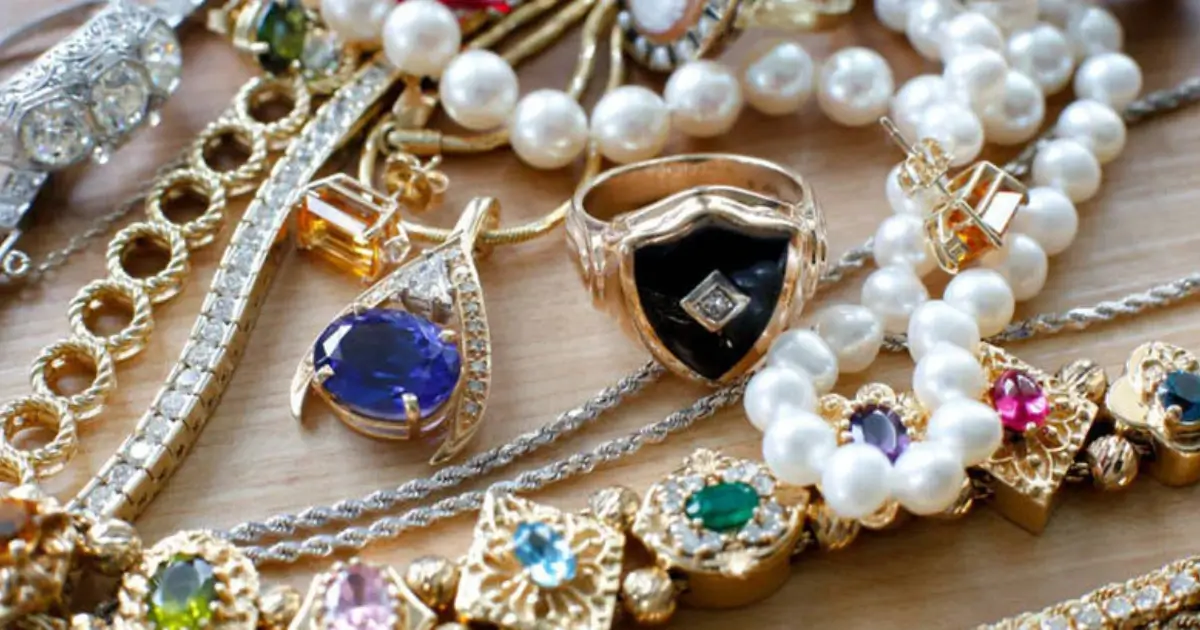
Estate jewelry often carries history. It may come from a family member, a previous generation, or even an estate sale purchase. These pieces can include rings, necklaces, brooches, or watches that are no longer produced today.
When people inherit jewelry or discover old pieces tucked away, a common question appears almost immediately. Can estate jewelry be resold?
The short answer is yes. Estate jewelry can absolutely be resold. However, the resale process depends on several important factors, including materials, craftsmanship, and market demand.
Understanding how resale works can help you approach the process with realistic expectations.
What Estate Jewelry Actually Means
The term estate jewelry simply refers to jewelry that has had a previous owner. It does not necessarily mean the piece is antique or extremely old.
In fact, a ring that was purchased ten years ago and later sold through an estate sale may also be considered estate jewelry.
Because of this, the value of estate jewelry varies widely. Some pieces are valued primarily for their gold or gemstone content. Others may have historical or collectible appeal that increases their worth.
When people ask whether estate jewelry can be resold, they are often surprised to learn that many buyers actively seek estate pieces because they offer designs that are no longer widely available.
What Determines Resale Value
The resale value of estate jewelry usually depends on three main elements.
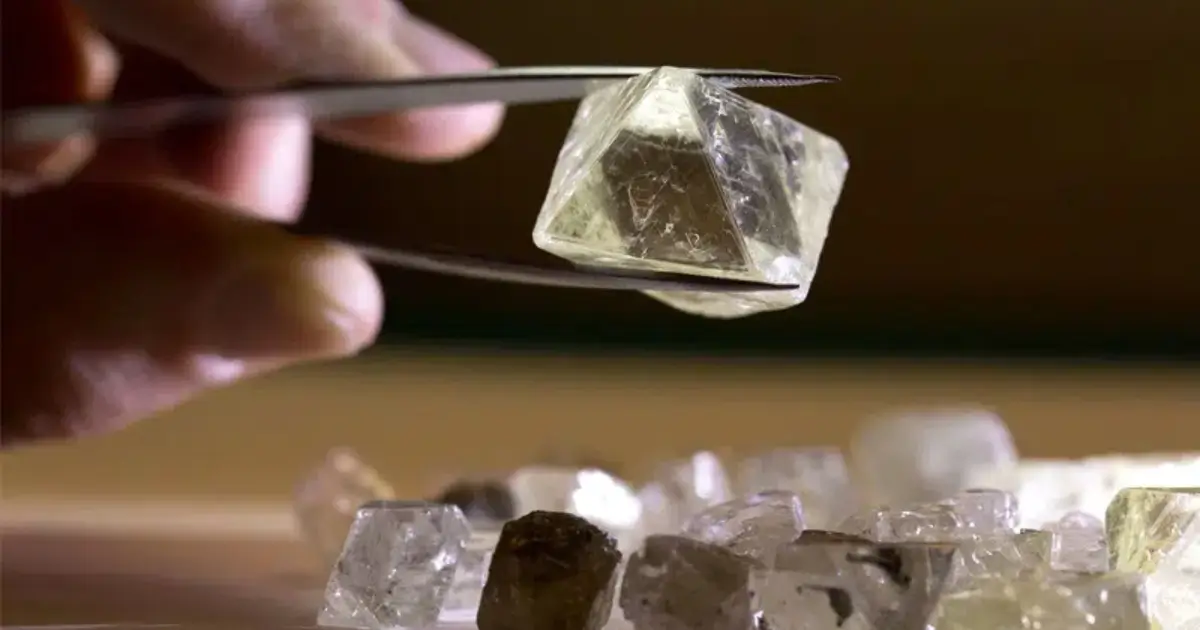
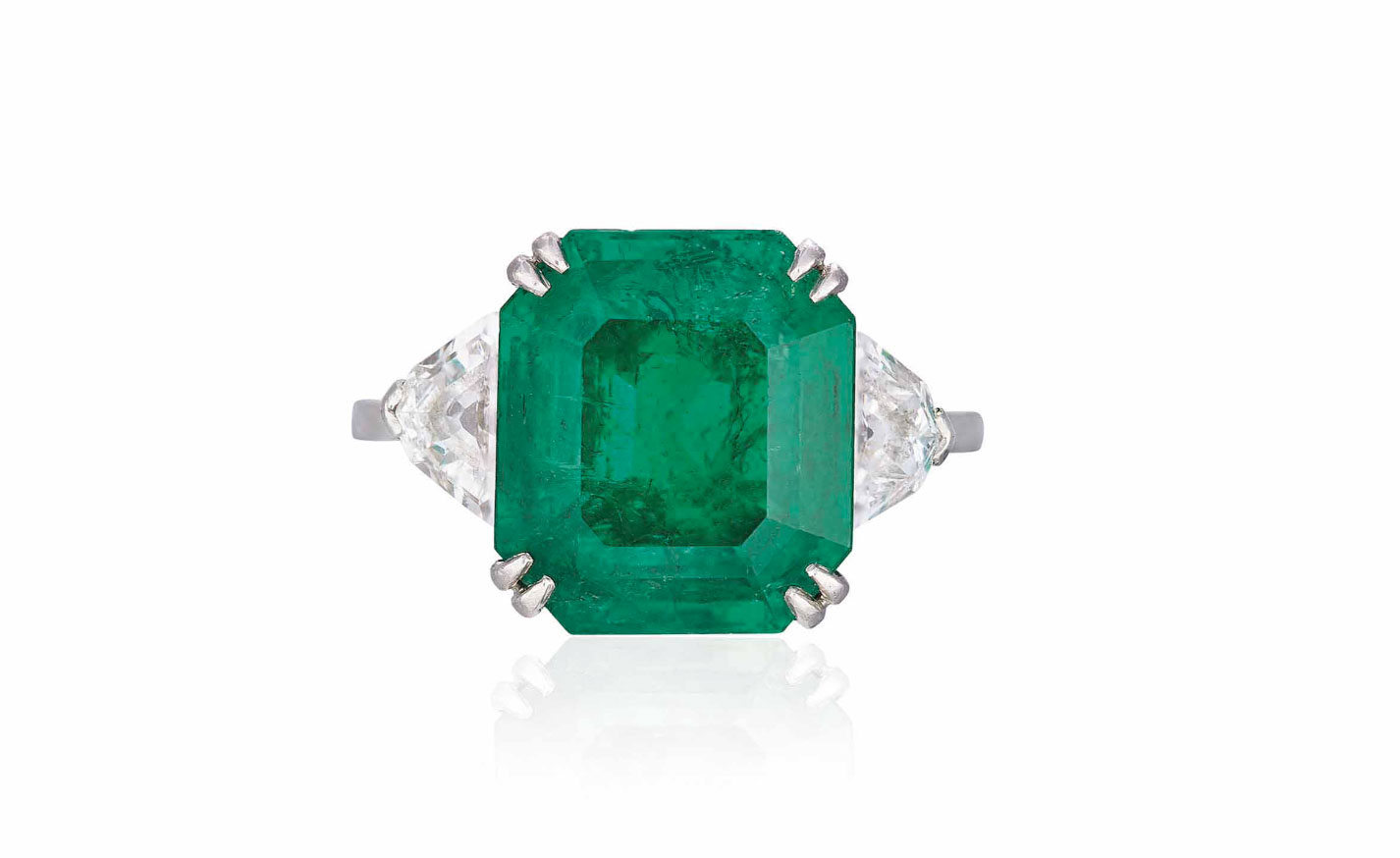
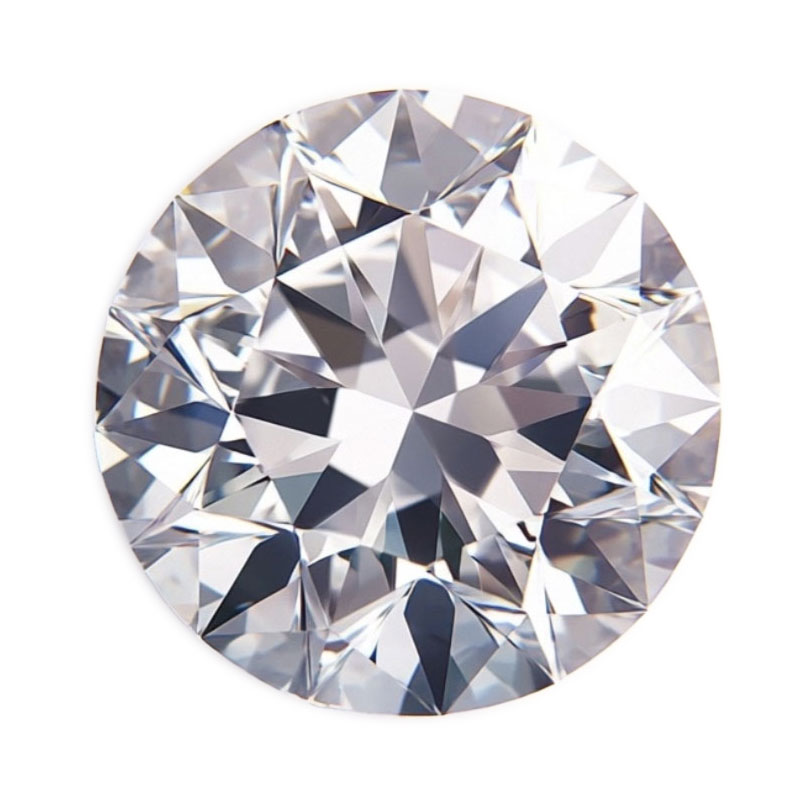
The first is the material itself. Gold, platinum, and high-quality gemstones carry intrinsic value regardless of the design.
The second factor is craftsmanship. Handmade pieces, vintage designs, or jewelry from well-known brands often attract collector interest.
The third factor is condition. A well-preserved estate ring or necklace is easier to resell than a heavily damaged piece.
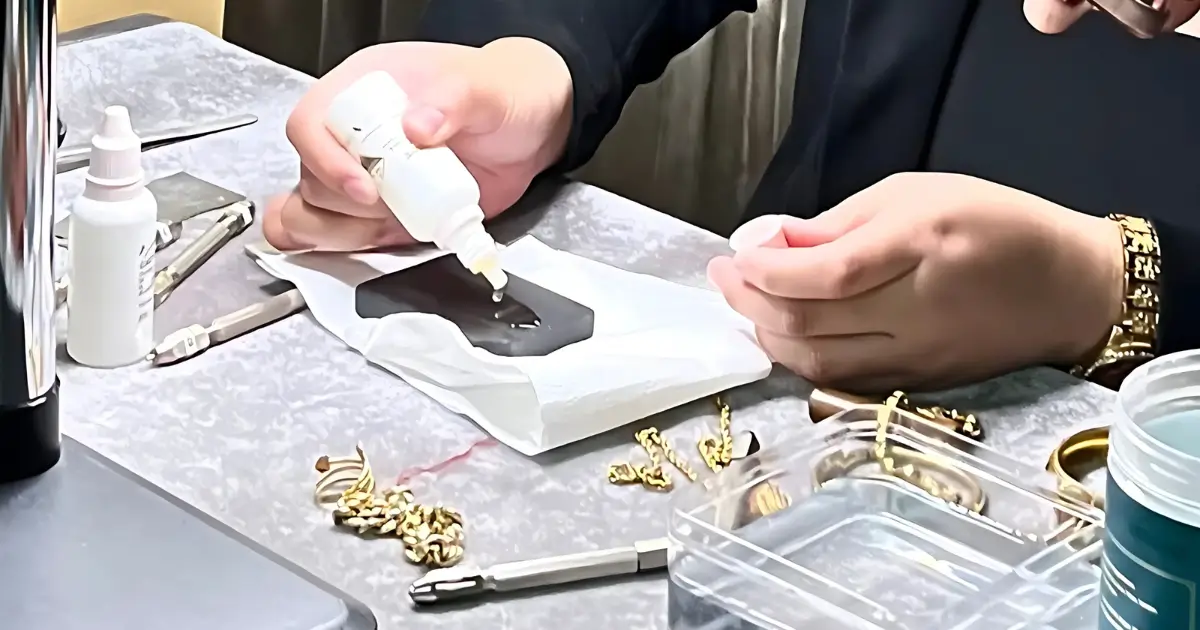
When evaluating whether estate jewelry can be resold, jewelers typically examine these aspects before determining a fair offer.
Designer and Vintage Pieces
Some estate jewelry includes designer pieces from brands known for luxury craftsmanship. Items from recognized houses may hold strong resale demand.
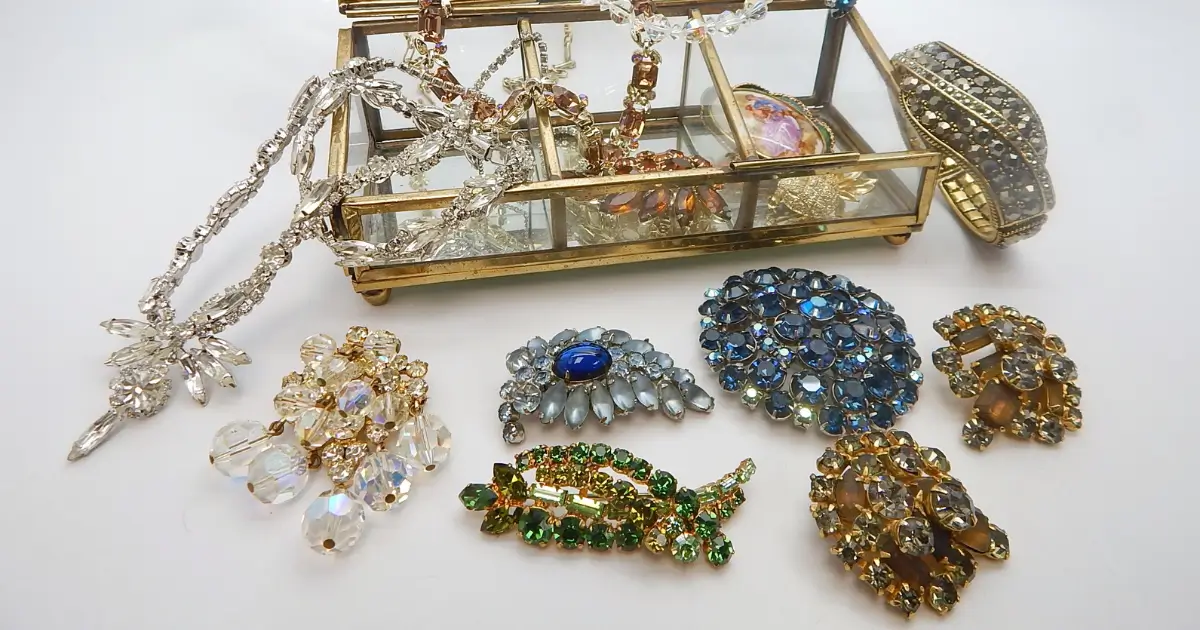
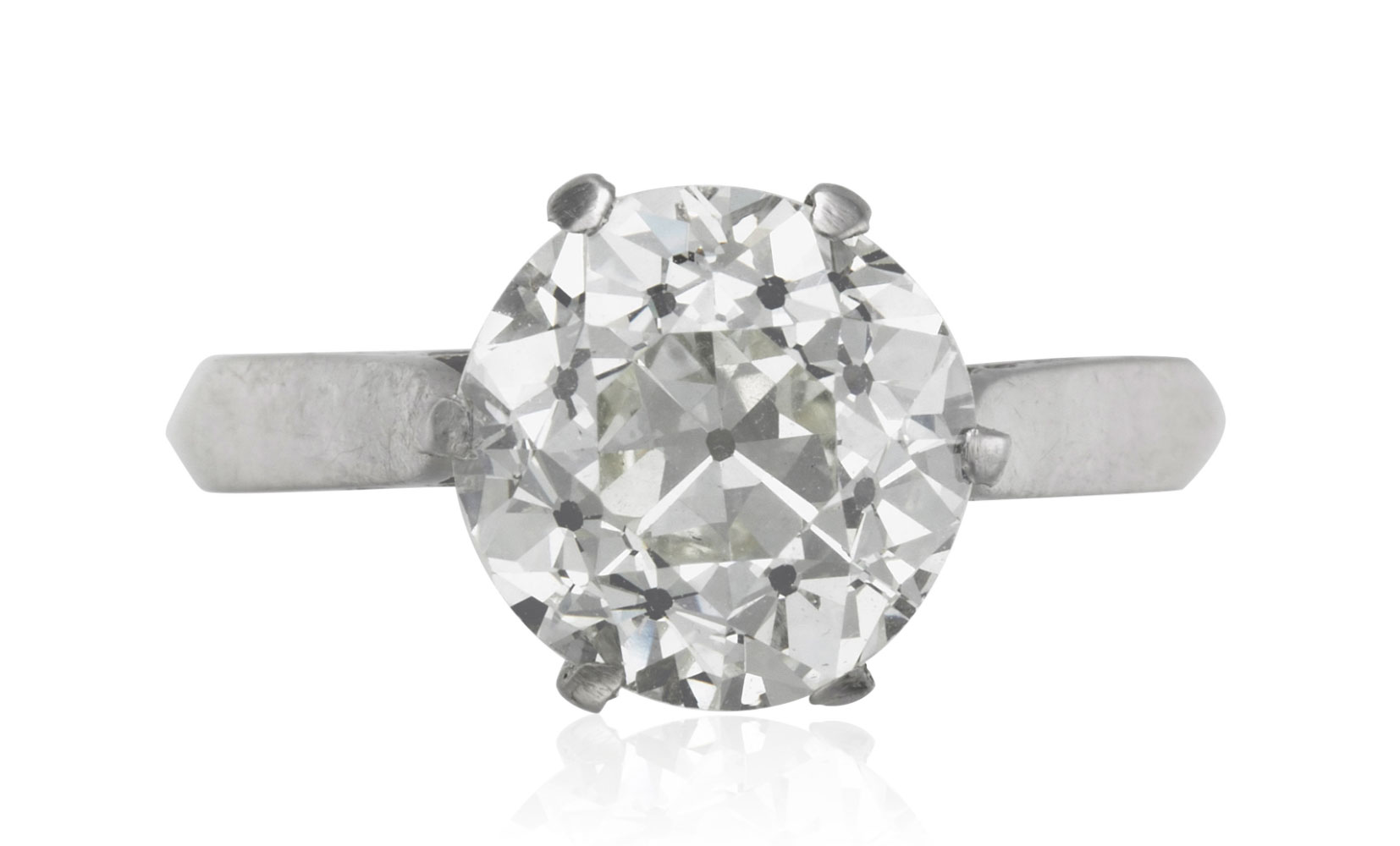
Vintage styles can also appeal to collectors who appreciate older design techniques. Art Deco, Retro, and mid-century jewelry often fall into this category.
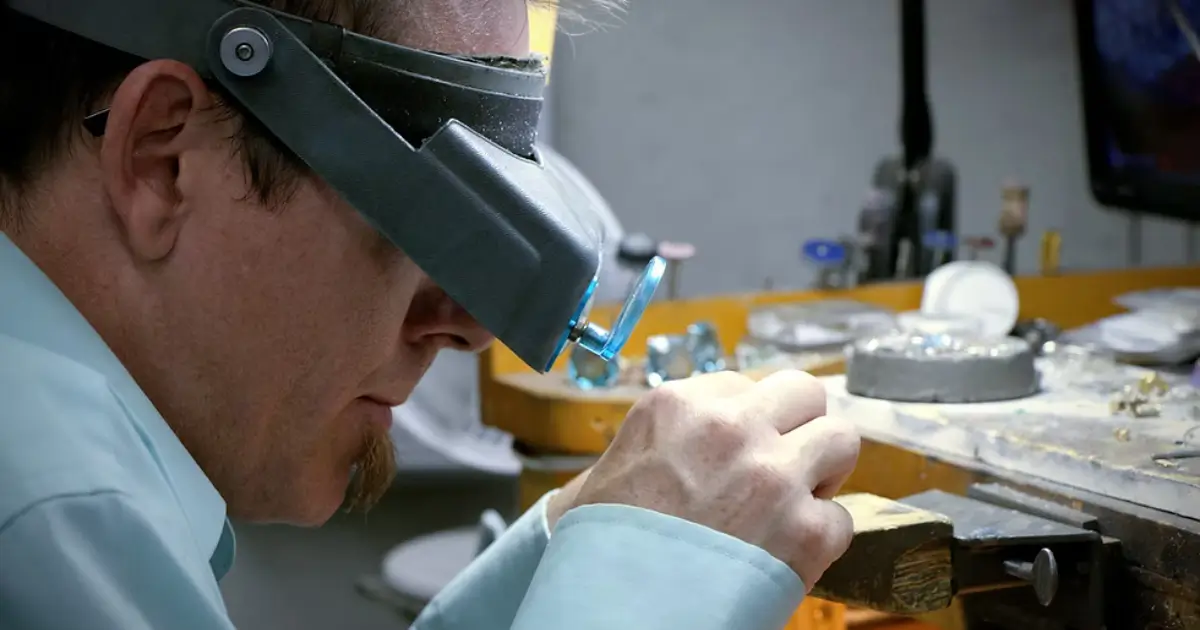
Because of these variables, a professional evaluation can help identify whether your piece has additional value beyond its metal content.
Many sellers choose experienced buyers like Ayan Jewelry because they understand how to evaluate estate jewelry based on both material and design history.
When Estate Jewelry Is Sold for Metal Value
Not every estate piece carries collectible appeal. Some items are primarily valued for their metal content.
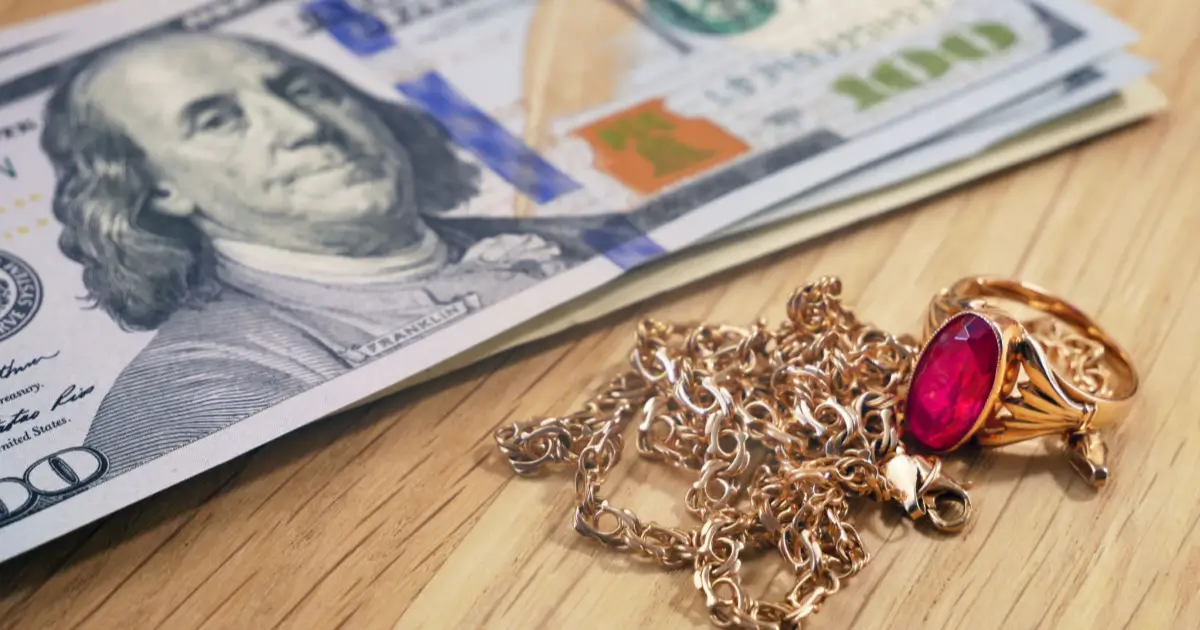
For example, a gold chain with no significant design features may be purchased for its gold weight. This is still a legitimate resale option because precious metals retain intrinsic value.
Even in these cases, sellers researching whether estate jewelry can be resold often find that older pieces still generate reasonable offers due to the strength of gold and platinum markets.
Final Note
So, can estate jewelry be resold? Absolutely. Many buyers actively seek estate pieces because they combine craftsmanship, history, and precious materials.
The value depends on factors such as metal purity, gemstone quality, design, and condition. Some pieces attract collectors while others are purchased for their intrinsic material value. If you are unsure about the potential worth of your estate jewelry, the best step is to have it professionally evaluated.