How Jewelers Test Gold: Methods Professionals Use
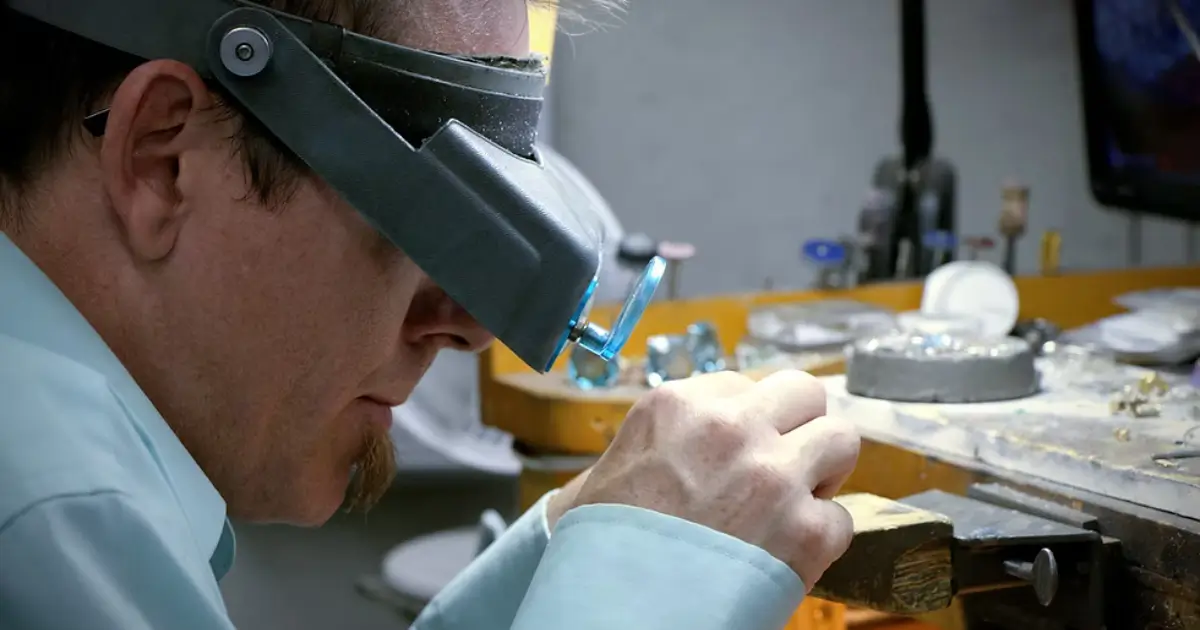
Gold jewelry has been valued for centuries because of its beauty and durability. But not every piece that appears golden is actually made from solid gold. This is why professional testing is so important when buying, selling, or appraising jewelry. Many people wonder exactly how jewelers test gold to confirm authenticity and purity.
The process involves a combination of tools and scientific methods designed to identify gold content accurately. Understanding these methods can help you feel more confident when having your jewelry evaluated.
Checking for Hallmarks and Stamps
The first step jewelers often take is examining the piece for hallmarks. These small stamps indicate the metal’s purity. Common markings include 10K, 14K, 18K, or 24K. The number represents the proportion of pure gold in the alloy.
While hallmarks provide a useful starting point, they are not always completely reliable. Some stamps may wear down over time, and counterfeit pieces can include misleading markings. Because of this, professional jewelers rely on additional testing methods. This is why people researching how jewelers test gold often learn that multiple techniques are used together.
Acid Testing
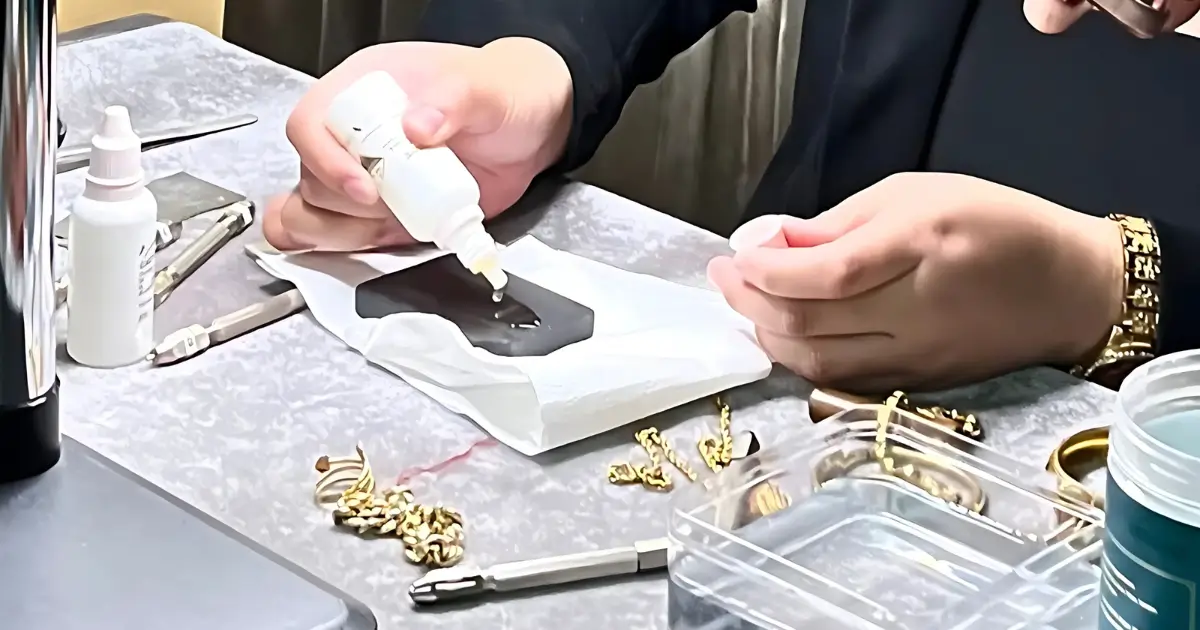
One traditional method is acid testing. In this process, the jeweler lightly scratches the jewelry on a testing stone and applies specific acids designed to react with different gold purities. If the metal reacts in a certain way, it helps identify whether the piece is 10K, 14K, or higher purity gold.
Acid testing has been used for many years and remains a reliable technique when performed correctly. However, modern jewelry professionals often combine it with more advanced technology to achieve even greater accuracy.
Electronic Gold Testers
Many jewelers now use electronic gold testers. These devices measure how electricity flows through the metal. Since different metals conduct electricity differently, the device can estimate gold purity without damaging the jewelry.
Electronic testing has become a common answer to the question of how jewelers test gold because it provides quick and precise results. Professional buyers such as Ayan Jewelry often use these tools alongside traditional methods to confirm gold content.
XRF Technology
Some advanced jewelry businesses also use X-ray fluorescence machines, commonly called XRF analyzers. These devices can determine metal composition without scratching the jewelry. XRF technology identifies the exact percentage of gold and other metals within the alloy. Because it is highly accurate and non-destructive, XRF testing is increasingly used in professional jewelry evaluations.
Why Professional Testing Matters
Gold jewelry can vary significantly in purity. Even pieces that appear similar may contain very different amounts of gold. Professional testing ensures that buyers and sellers understand the true value of the metal.
When learning how jewelers test gold, it becomes clear that experienced professionals rely on multiple methods to reach accurate conclusions. This protects both the seller and the buyer during transactions.
Final Note
Gold testing is a careful process designed to verify authenticity and determine purity. Hallmarks, acid testing, electronic testers, and advanced technology all play a role. Understanding how jewelers test gold helps you appreciate the expertise involved in evaluating precious metals. If you plan to sell or appraise gold jewelry, working with experienced professionals ensures that the metal is properly tested and fairly valued.