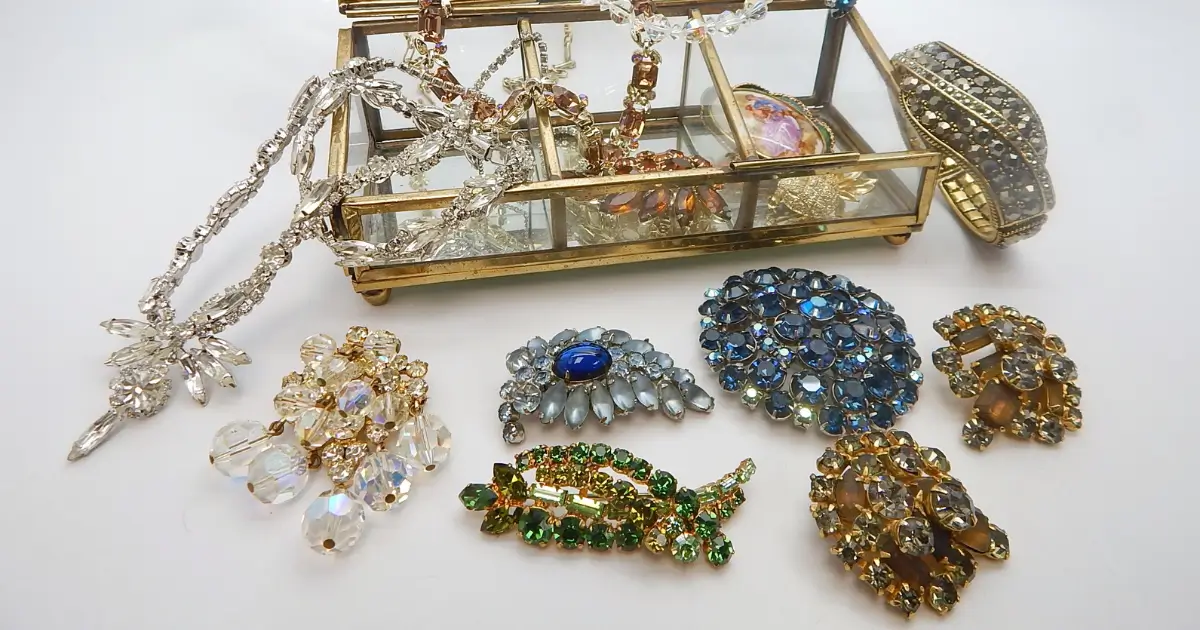
Is Vintage Jewelry Worth Anything? What Determines Value
Many people inherit or rediscover jewelry that has been sitting in a drawer for years. A ring from a grandmother. A bracelet from decades ago. A necklace that once belonged to someone special.
At that moment, a natural question arises. Is vintage jewelry worth anything?
The answer is often yes, but the value depends on several important factors. Age alone does not guarantee worth. Materials, craftsmanship, and demand all play a role in determining how much a piece might be worth today.
Understanding these elements can help you evaluate your jewelry with realistic expectations.
What Counts as Vintage Jewelry
Before discussing value, it helps to understand what vintage jewelry actually means. In most cases, jewelry is considered vintage if it is at least twenty to thirty years old. Pieces older than one hundred years are typically classified as antiques.
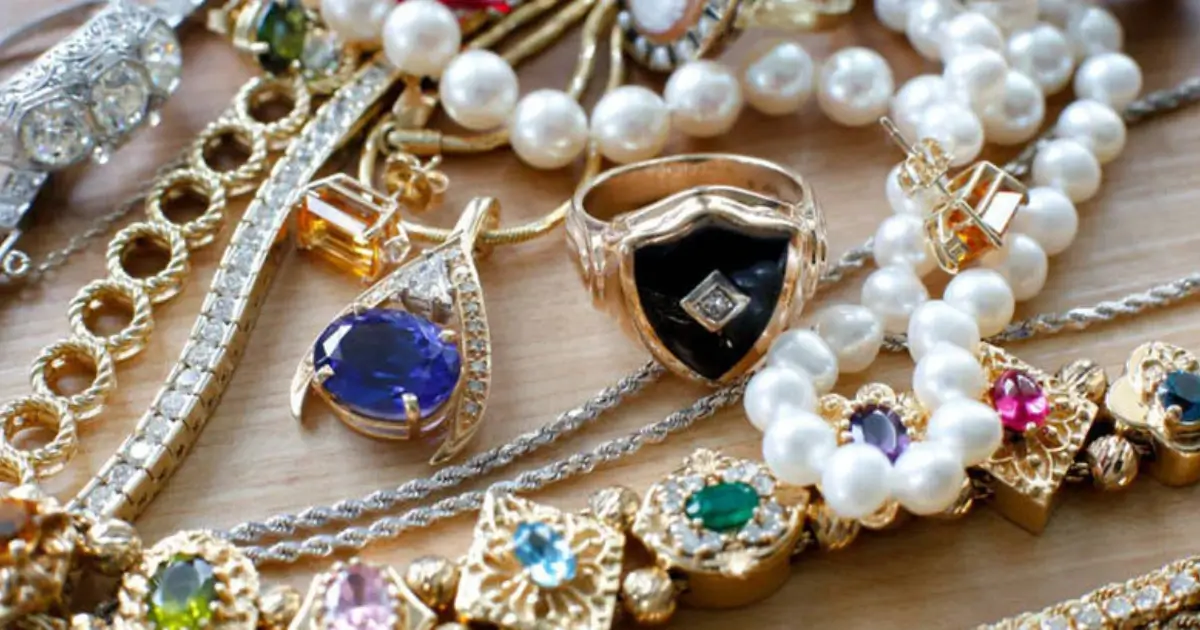
Vintage jewelry can come from many design periods. Art Deco, Retro, and Mid Century styles are particularly popular among collectors. These eras often feature unique craftsmanship and design techniques that are difficult to replicate today.
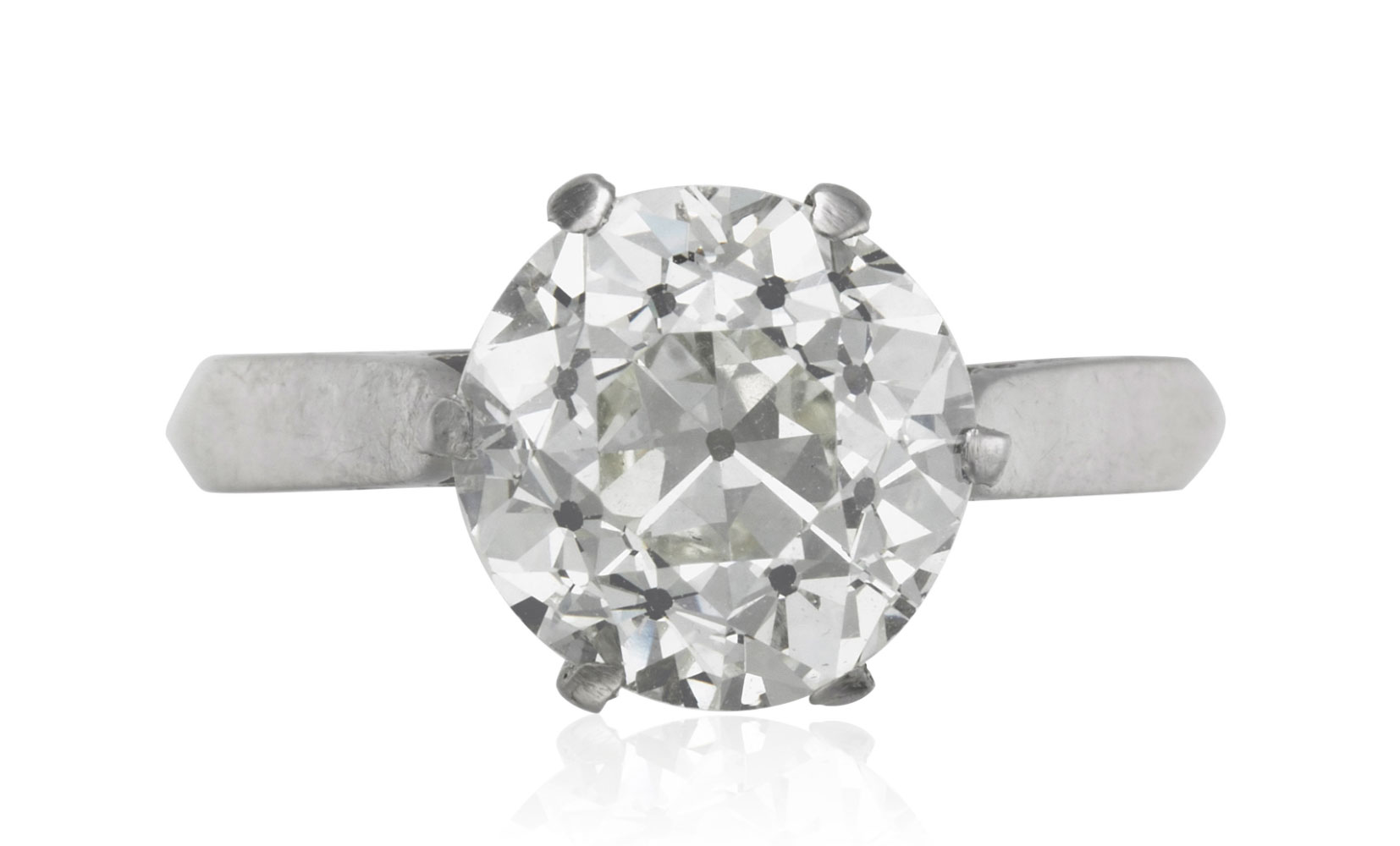
This is why people frequently ask whether vintage jewelry is worth anything when they discover pieces with unusual settings or older gemstone cuts.
Materials Make a Big Difference
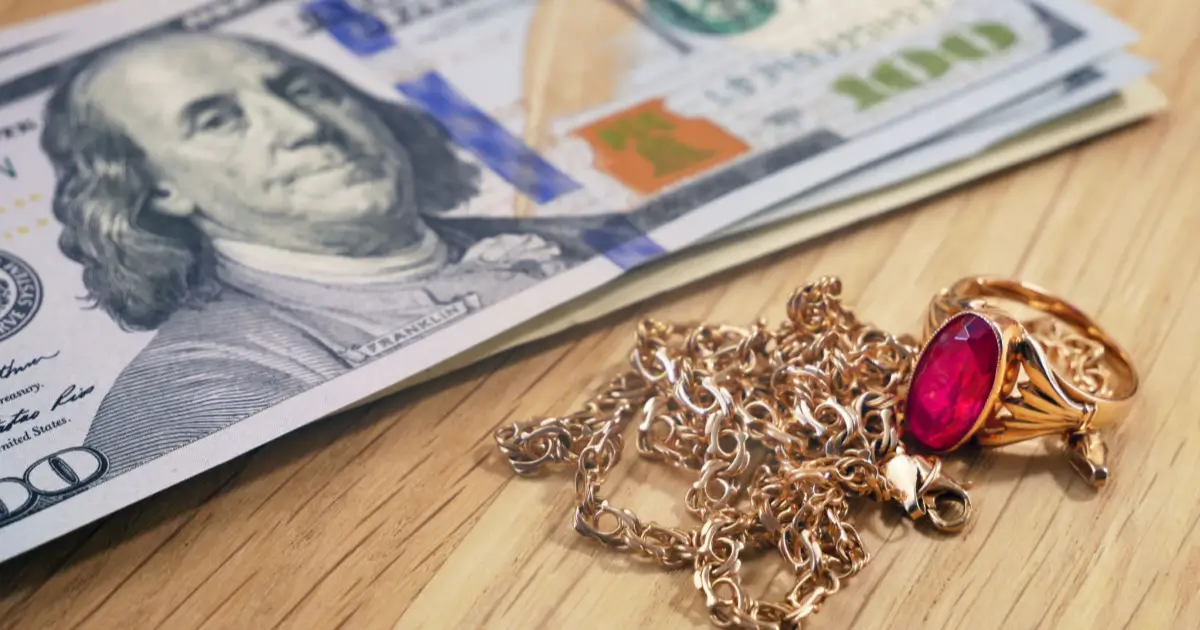
The materials used in vintage jewelry significantly influence its value. Gold and platinum settings typically carry intrinsic metal value regardless of the design.
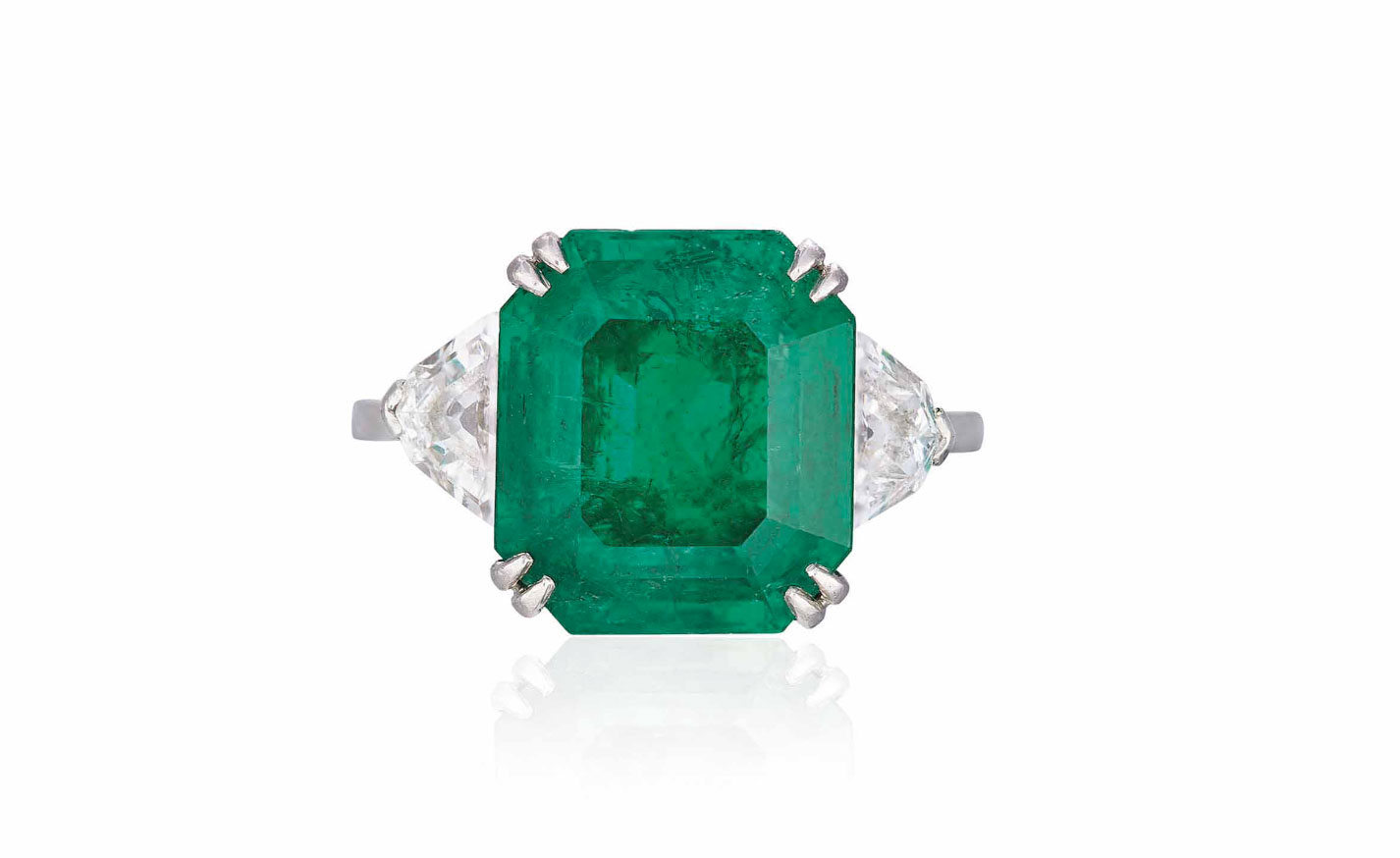
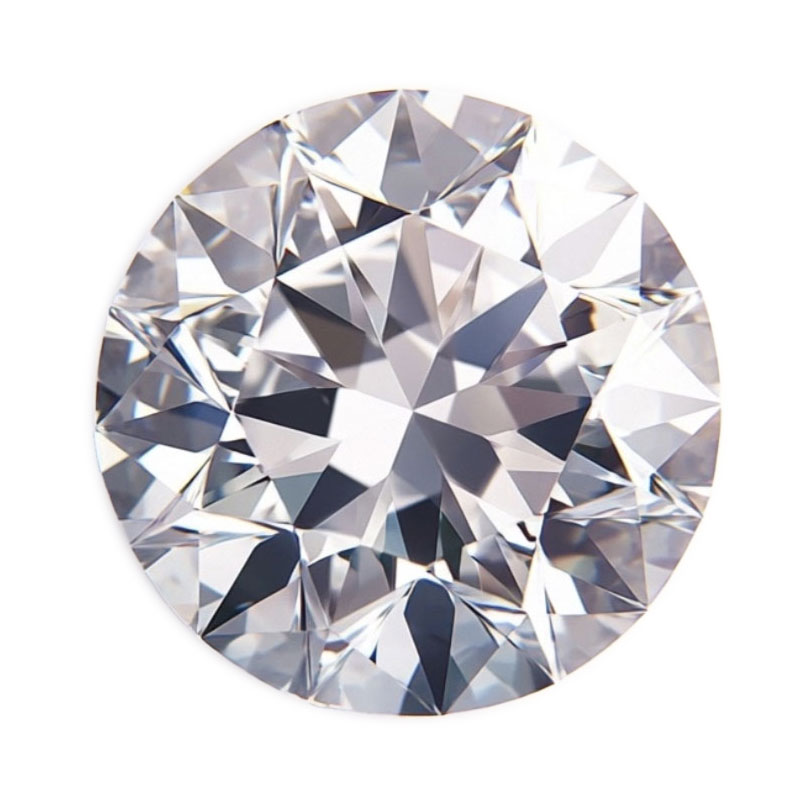
Gemstones also play an important role. Diamonds, sapphires, emeralds, and rubies can add substantial value depending on their quality.
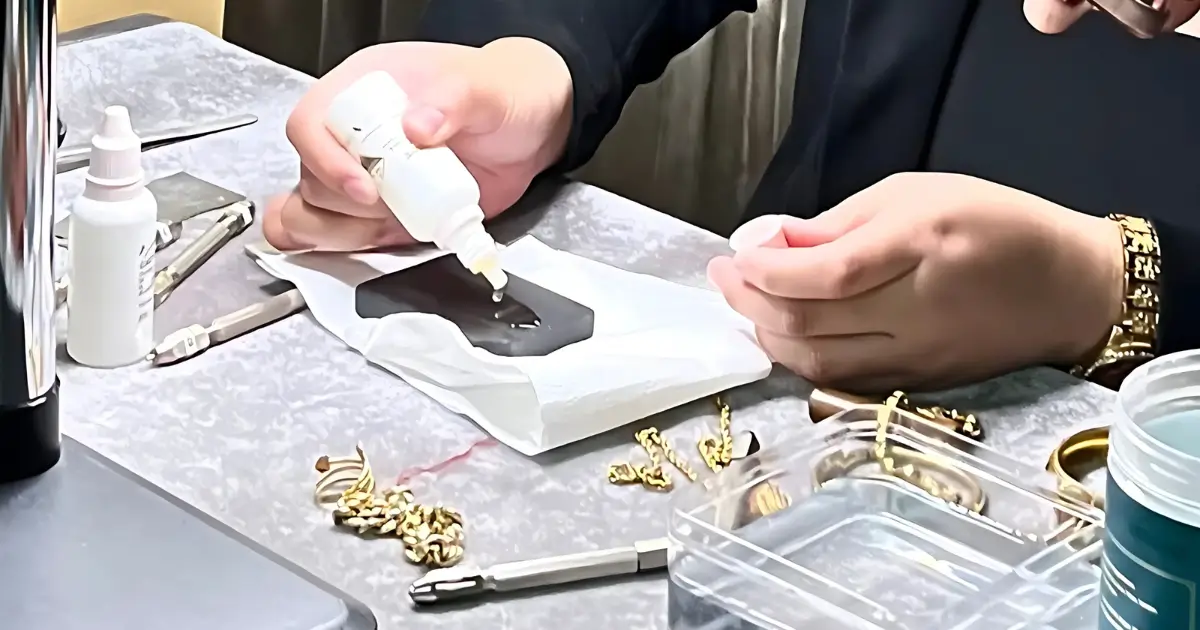
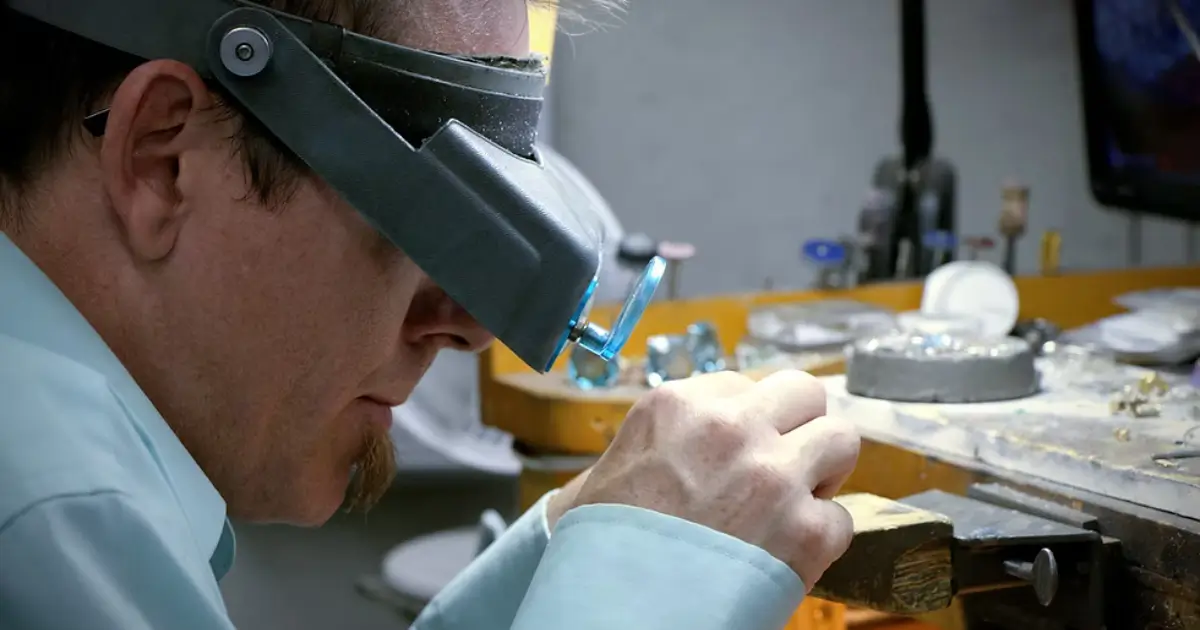
Even when a piece appears simple, its metal content alone can contribute to resale value. When evaluating whether vintage jewelry is worth anything, jewelers often begin by checking the metal purity and gemstone characteristics.
Craftsmanship and Design
One of the most interesting aspects of vintage jewelry is the craftsmanship. Many older pieces were handmade rather than mass-produced.
Hand engraving, filigree work, and intricate settings are common features in vintage jewelry. These details can increase the value because they represent time-consuming techniques that are less common today.
Collectors often seek pieces that reflect the design language of specific eras. That historical connection can elevate the value of certain items.
Condition and Authenticity
Condition matters when evaluating vintage jewelry. Pieces that have been heavily repaired or altered may lose some collectible value.
However, normal wear does not automatically reduce worth. In fact, slight signs of age can sometimes confirm authenticity.
This is another reason people researching vintage jewelry often choose to have their pieces professionally evaluated before selling.
Market Demand
Jewelry value is also influenced by market demand. Certain styles become popular again as fashion trends change.
For example, bold gold designs from the 1970s and geometric Art Deco pieces have seen renewed interest in recent years.
Professional buyers understand these trends and evaluate vintage jewelry based on both material value and market appeal.
Many sellers choose us at Ayan Jewelry because they understand how to assess both historical design and intrinsic material value.
Final Note
So, is vintage jewelry worth anything? In many cases, yes. The value depends on materials, craftsmanship, condition, and current market demand.
Even pieces that appear simple may carry significant metal or gemstone value. Others may be valuable because of their design history or rarity. If you are unsure about a piece you own, the best next step is a professional evaluation from an experienced appraiser. Luckily, we fit right in that department.