How to Spot Antique Engagement Rings Hallmarks
Every antique engagement ring has a story, one that’s written not in words, but in tiny engraved marks. These subtle symbols, often tucked away on the inside of the band, can reveal a ring’s age, origin, and even the jeweler who made it. But here’s the thing: most people never realize how much these small hallmarks can tell them.
If you’ve ever wondered how to spot antique engagement rings’ hallmarks, you’re in the right place. Whether you’re buying, selling, or simply curious about your heirloom piece, understanding these marks helps you appreciate your jewelry in a whole new way. Let’s break down how to find and interpret them, and why they matter more than you think.
What Exactly Are Hallmarks?
Hallmarks are small, stamped symbols that authenticate a piece of jewelry. Think of them as the jewelry world’s version of a signature and date. They’re used to identify who made the ring, where it was made, what it’s made of, and sometimes even when.
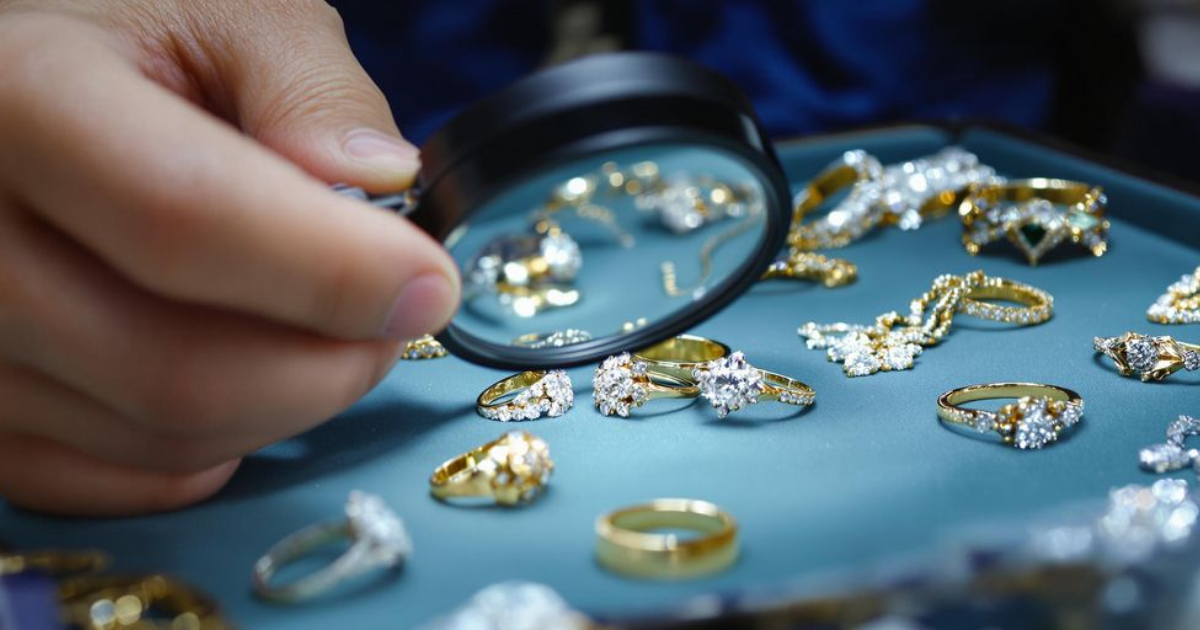
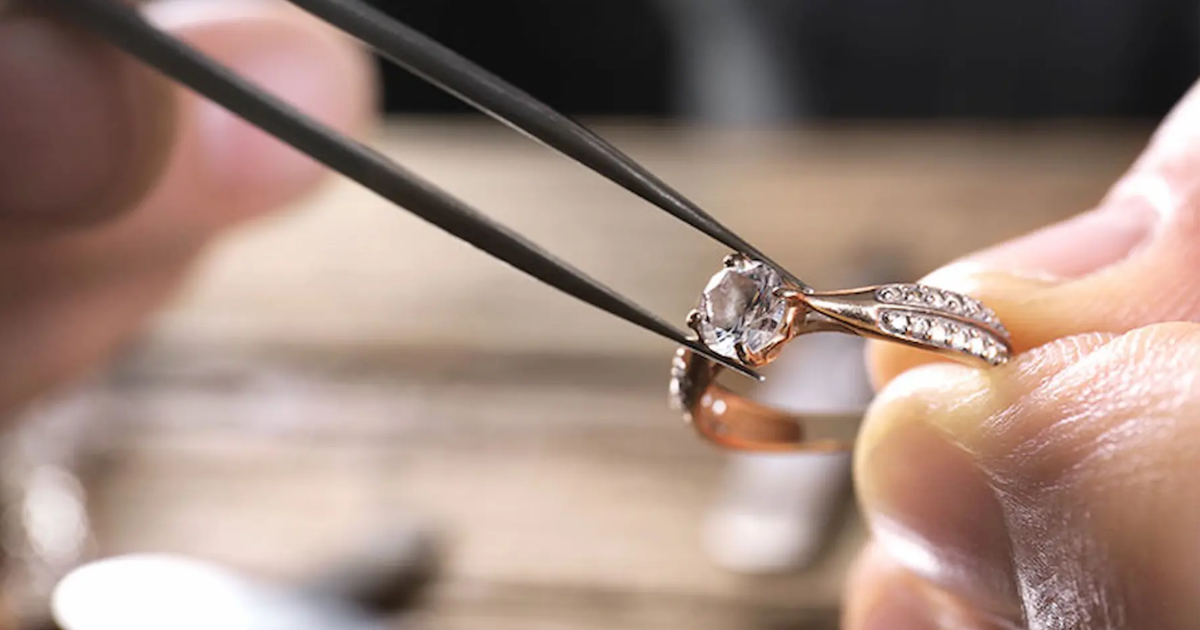
If you’re trying to learn how to spot antique engagement rings’ hallmarks, the first thing to do is look closely, really closely. You might need a magnifying glass or jeweler’s loupe to find them, as they’re often faint or worn down with time.
These markings might include the maker’s initials, purity marks (like 18K or 750), assay office symbols (indicating the city or region where it was tested), and even date letters used to pinpoint the year of manufacture.
How to Identify Metal Purity Marks
One of the most common hallmarks you’ll find on antique engagement rings is the metal purity mark. This tells you the type and quality of metal used in the piece.
For example:
- Gold rings might read 10K, 14K, or 18K, or use European marks like 585 (14K) and 750 (18K).
- Platinum rings could show marks like PT, PLAT, or 950.
- Silver rings often have the 925 mark, meaning sterling silver.
Maker’s Marks: The Signature of Craftsmanship
Another hallmark to look for is the maker’s mark, a small engraving that identifies the jeweler or company that crafted the piece. These marks can be initials, full names, or unique symbols.
Some makers are highly collectible, which can greatly increase a ring’s value. For example, discovering a maker’s mark from a well-known designer like Cartier or Tiffany & Co. can elevate your piece from “beautiful” to “extraordinary.”
Assay Office Marks and Date Letters
Certain countries, especially the UK and France, historically used additional hallmarks that indicate where and when a piece was tested for metal purity. These include symbols like lions, crowns, anchors, and letters representing specific years.
If you find a hallmark you can’t identify, comparing it to official hallmark charts online or consulting a jewelry expert can help you unlock the story behind your ring.
Why Hallmarks Matter When Buying or Selling
Understanding how to spot antique engagement rings’ hallmarks isn’t just about curiosity. It’s about confidence. When buying, hallmarks help confirm authenticity and protect you from counterfeits. When selling, they provide documentation that supports the value of your jewelry.
In fact, many jewelry buyers, including reputable experts like us, rely on hallmarks to evaluate a piece’s provenance, age, and craftsmanship before making an offer.
Conclusion
The beauty of antique engagement rings lies in their history, and hallmarks are the breadcrumbs that lead you back through time. Learning to identify these tiny details allows you to see your jewelry not just as an accessory, but as a tangible piece of art and heritage.
So the next time you inspect your ring, look a little closer. Those faint, delicate engravings might just reveal a story that’s been waiting a century to be told.
If you ever need help identifying or verifying hallmarks on your antique engagement ring, Ayan Jewelry’s specialists are always ready to assist with expert evaluations and a keen eye for history.