How To Layer Necklaces Like A Jewelry Stylist: The Complete Guide
You have probably seen it in a magazine, on a friend, or in a photo that stopped your scroll entirely. A perfectly layered necklace stack, several chains sitting at different heights, each one distinct but somehow all belonging together. And then you tried it yourself and ended up with three tangled chains and a frustrated trip to the bathroom mirror to separate them. The good news is that layering necklaces like a jewelry stylist is actually a learnable skill, and it is a lot more approachable than it looks.
In this guide, we are walking through exactly how professional stylists build a necklace stack. We cover lengths, textures, necklines, metal mixing, focal points, and how to keep everything from tangling. By the end, you will have a clear framework you can use every time you get dressed. Here is everything you need to know.
Start With The Right Lengths
The foundation of layering necklaces is getting your lengths right. Different lengths sit at specific points on the body, and the difference between a stack that looks intentional and one that looks cluttered is almost always about spacing. Professional stylists recommend at least a two-inch difference between each layer.
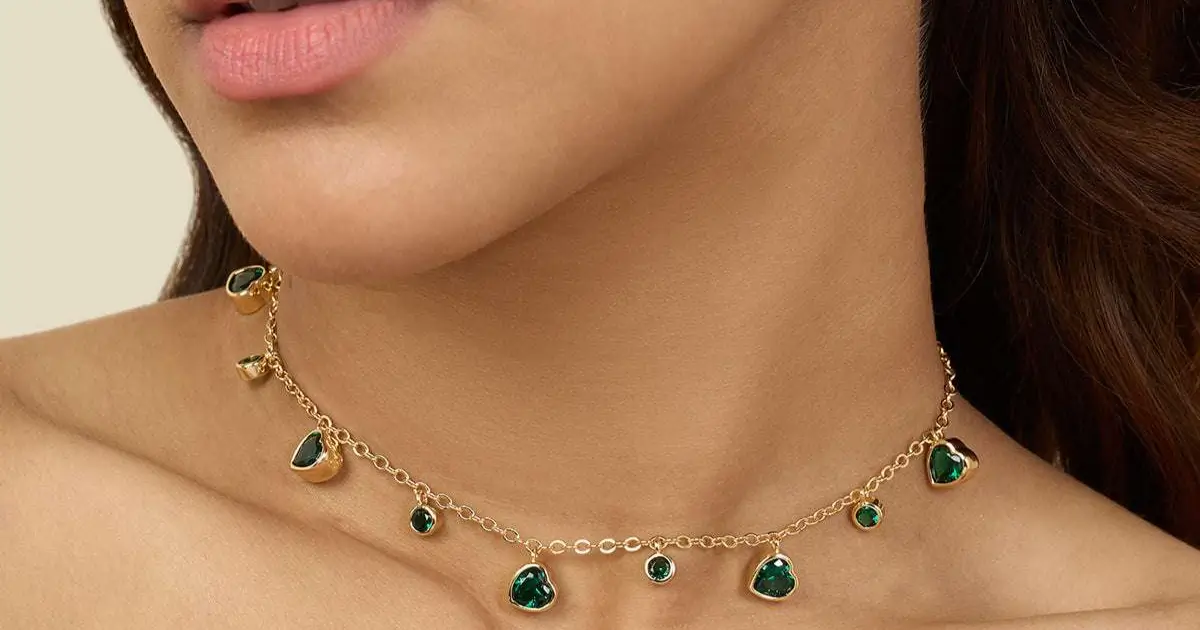
Here is a quick reference for standard necklace lengths: 14 inches sits tightly at the base of the neck as a collar. 16 inches falls just below the collarbone. 18 inches rests at or just below the collarbone and is one of the most versatile lengths for a statement piece. 20 to 24 inches falls toward the upper chest and brings movement to the stack.
Start by measuring the base of your neck and adding two inches. That is your first layer length. Build from there with increasing two-inch increments. This prevents overlap and gives each necklace its own visual zone.
Choose A Statement Piece First
Every great layered stack has a hero piece. Before you start adding necklaces, find the one piece that you want to anchor the look. This could be a diamond solitaire pendant, a gemstone on a fine chain, a vintage locket, or a meaningful charm. Your statement piece should sit at the center of the stack visually, which typically means placing it at the 18-inch position.
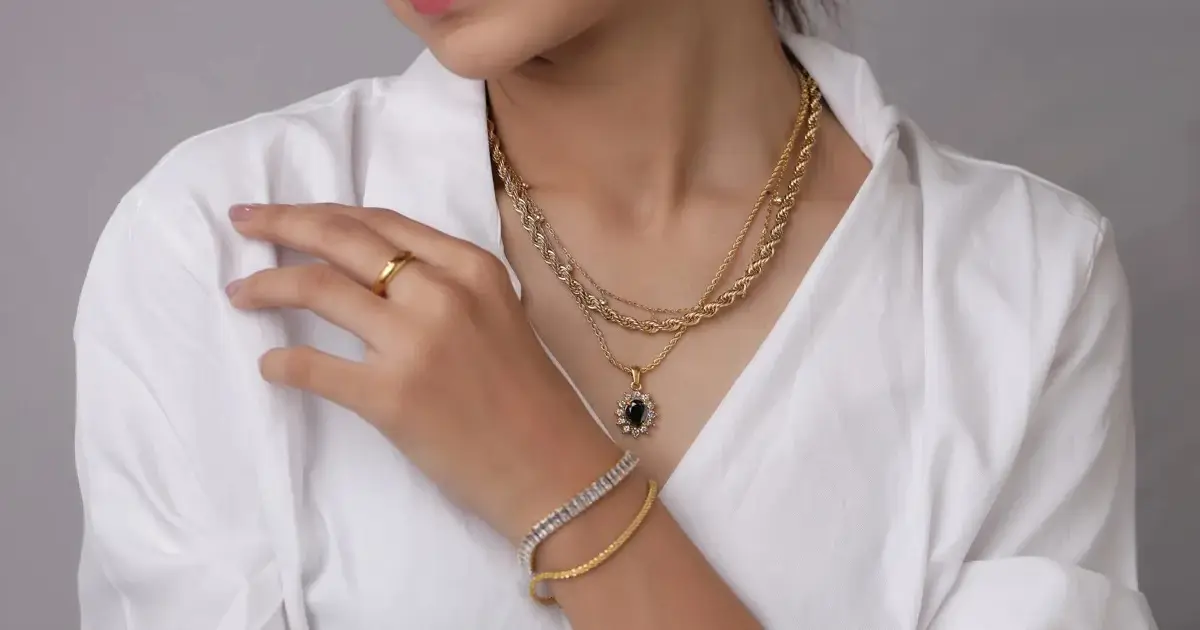
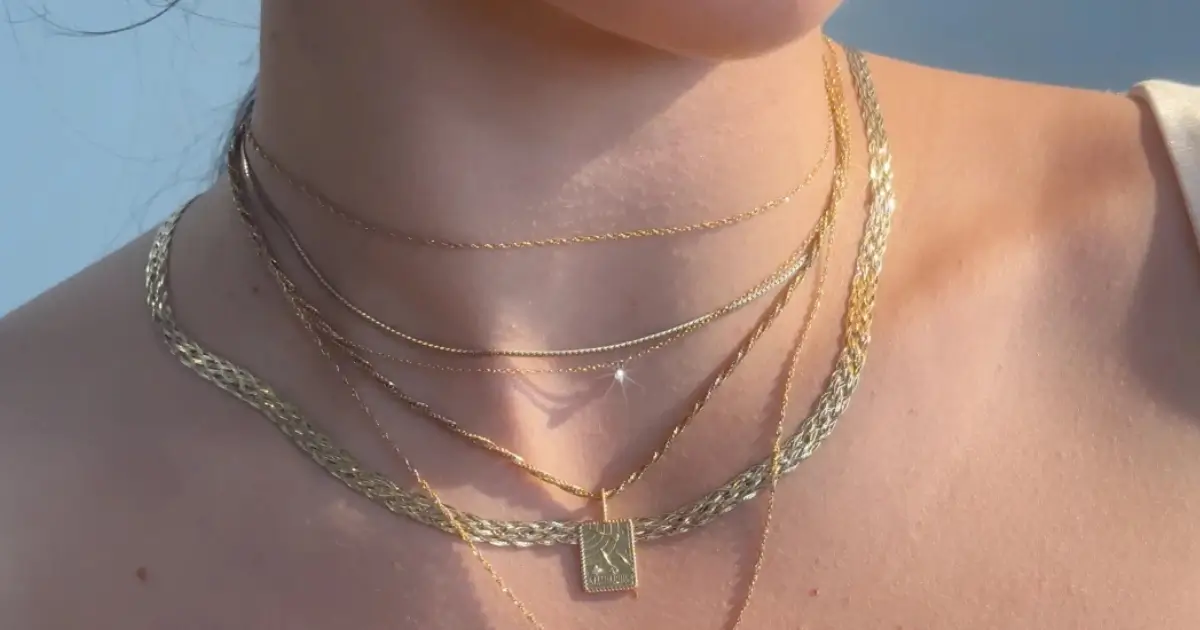
Once your hero piece is in place, build around it with simpler, thinner chains above and below. The goal is to frame that central piece, not compete with it. A plain gold chain above it and a longer, slightly textured chain below it give you a three-layer stack that looks like a jewelry stylist put it together.
Mix Textures, Not Just Lengths
Length variety creates separation, but texture variety creates depth. When you layer necklaces like a stylist, you are thinking about how different chain styles interact visually. A flat cable chain has a very different look from a twisted rope chain, which feels different from a paperclip chain or a beaded strand. Pairing these creates contrast without any piece competing for attention.
A simple formula that works repeatedly: one fine chain, one slightly chunkier link, and one chain with a pendant or charm. The variety in weight and texture makes the stack feel alive and curated rather than random.
Match Your Neckline
The neckline you are wearing completely changes how your layered necklaces should be arranged. Stylists always start with the outfit, not the jewelry. Here is how to approach it. For a V-neck, follow the V shape. Use pendant necklaces that echo the downward line and let your longest layer disappear into the neckline. Avoid chokers here since they work against the neckline’s natural direction.
For a crew neck or round neck, start your first layer right above the fabric and build outward. A choker or 14 to 16-inch chain as your base layer, then two longer chains over the fabric, creates a bold, intentional look. For a strapless or open neckline, you have the most freedom. This is where you can layer necklaces most expressively since there is no competing neckline shape.
Mixing Metals Is Fine, With One Rule
The old rule that you must match your metals at all times is outdated. Mixing gold and silver in a layered necklace stack is perfectly acceptable in 2025, and stylists actively recommend it for a more lived-in, personal feel. The one rule to observe: let one metal dominate. A 70/30 ratio, where roughly 70% of your pieces are in one metal, keeps the look cohesive even when you are mixing.
So if you are building a mostly yellow gold stack, one silver chain in the mix adds interest without disrupting the overall harmony. Reverse it, and you have a silver-dominant stack with a warm gold accent.
Keeping Everything Tangle-Free
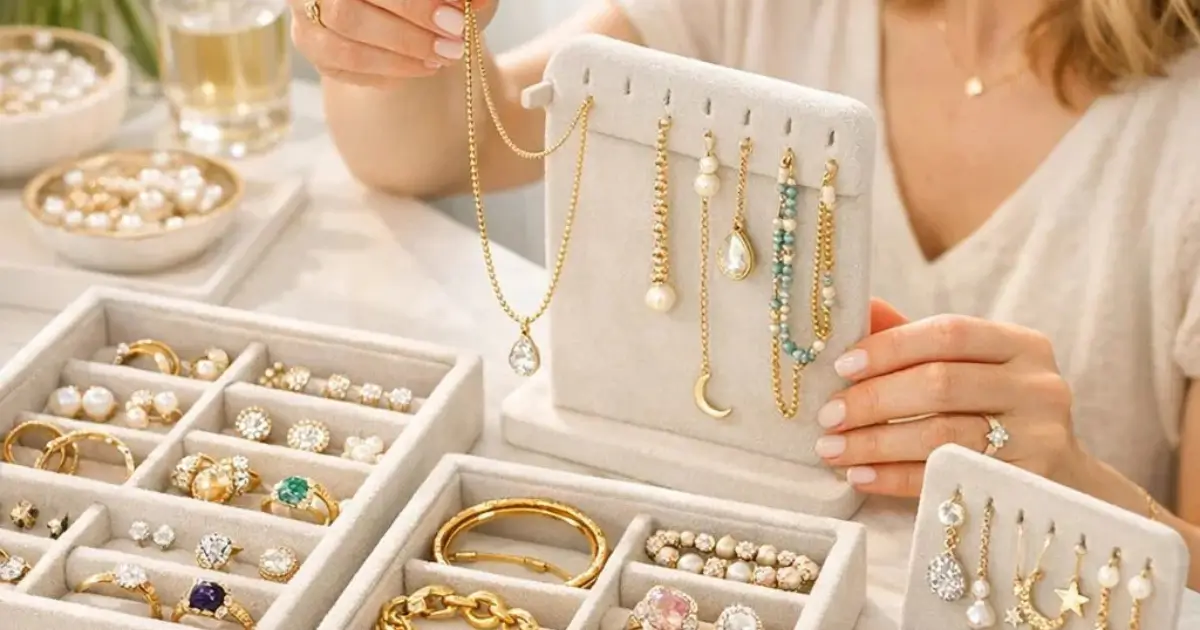
The most common complaint with layered necklaces is tangling. Here is how stylists prevent it. First, use a layering clasp, a small connector that clips multiple necklaces at the back so they cannot twist around each other. Second, put necklaces on in order from shortest to longest. Third, choose chains that differ significantly in link size since similar textures tangle more easily. Finally, store your layered necklaces hanging rather than lying flat in a box.
Build The Stack That Feels Like You
Knowing how to layer necklaces like a jewelry stylist is ultimately about knowing your own style and working within a framework that serves it. Start with three pieces, master the spacing, and build from there. The best stacks are personal. They mix pieces with meaning alongside pieces with great design. When you are ready to find the foundational pieces your stack deserves, explore what Ayan Jewelry has to offer.