What Do Natural Diamonds Look Like? A Complete Guide
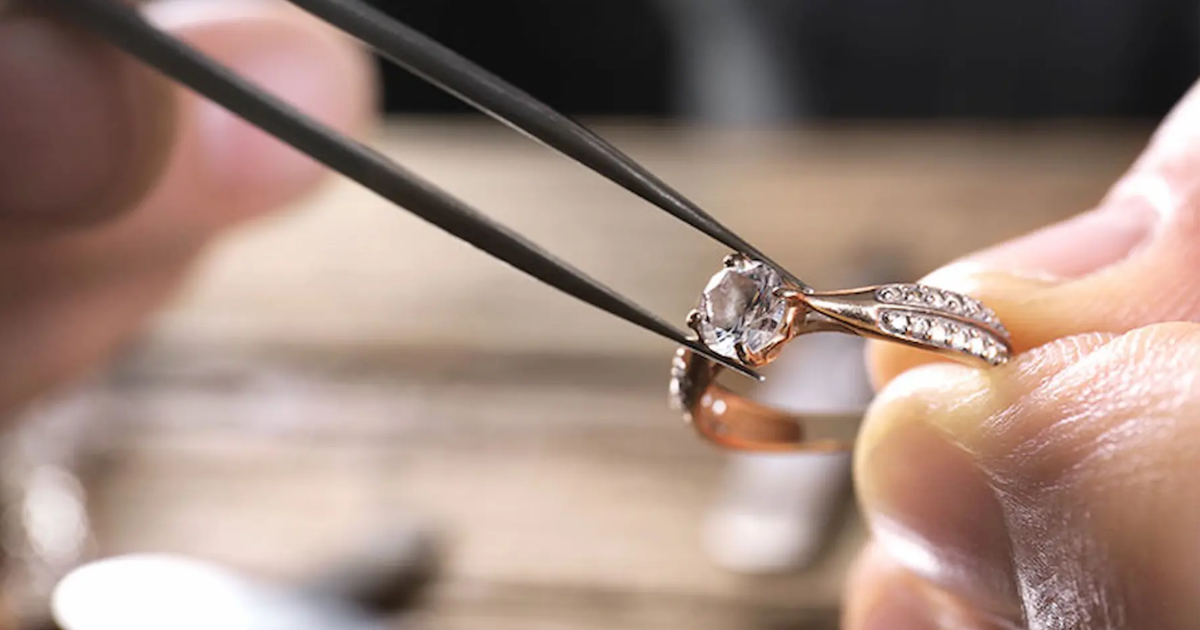
You’ve probably seen diamonds glittering in a jewelry case or sparkling on a ring, perfectly cut, impossibly clear, and breathtakingly beautiful. But have you ever wondered what natural diamonds look like before they’re polished and set into jewelry?
Natural diamonds, in their purest form, don’t start out looking like the glamorous gemstones you see in stores. In fact, if you held one in your hand straight from the earth, you might not even recognize it as a diamond at all.
Let’s uncover what makes natural diamonds so unique, and how to spot them before they’re transformed into the dazzling symbols of love and luxury we all know.
The Natural Look: Rough, Raw, and Remarkable
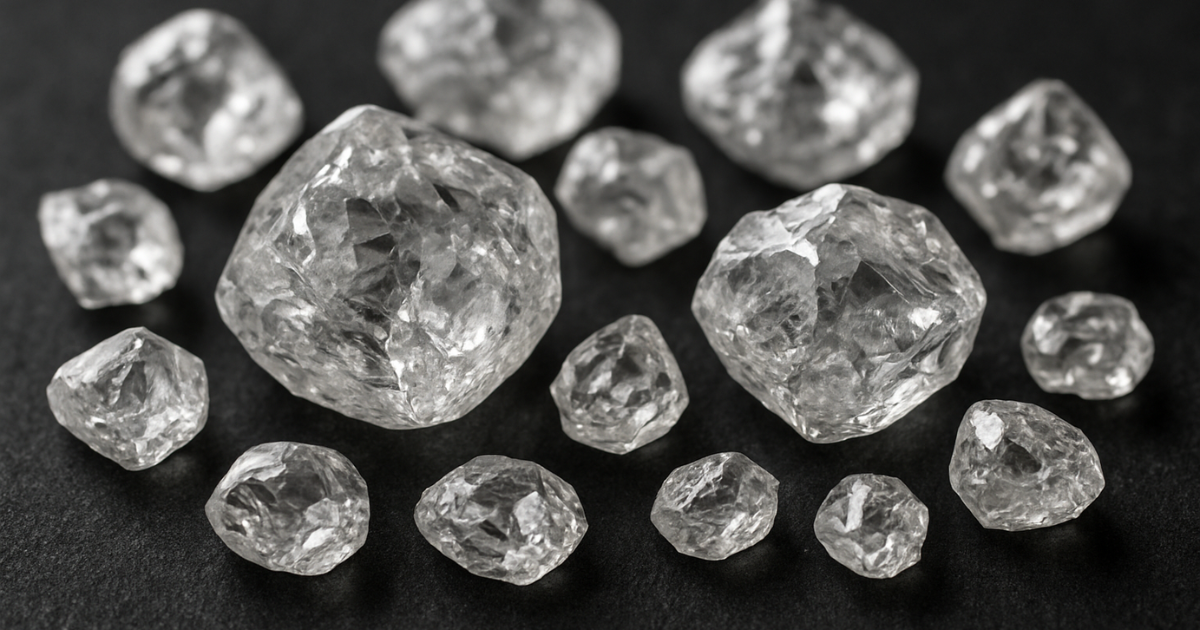
When mined from deep within the earth, natural diamonds appear as small, translucent stones with irregular shapes. They’re not perfectly cut or symmetrical, far from it. Most raw diamonds look more like cloudy quartz or clear pebbles than anything you’d find in a jewelry store.
Their natural form often has a greasy or waxy surface, with rough edges and an almost frosted appearance. They can be colorless, yellow, brown, or even grayish, depending on the trace elements present during formation.
So, if you’re wondering what natural diamonds look like, picture something raw and rugged, a gemstone born under billions of years of heat and pressure, not yet refined by human hands.
Color and Clarity in Natural Diamonds
Unlike their lab-grown counterparts, natural diamonds often contain subtle imperfections known as inclusions. These are tiny internal features, minerals, fractures, or crystal irregularities that tell the story of how the diamond formed deep beneath the Earth’s crust.
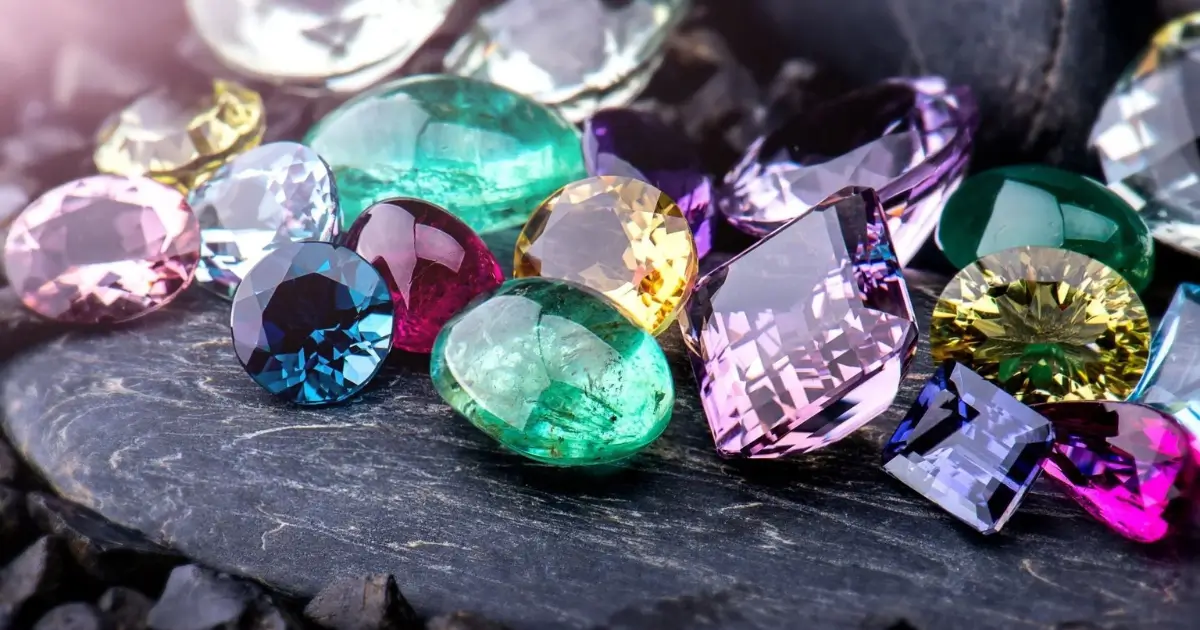
Color also plays a major role in identification. While white or colorless diamonds are the most sought-after, many natural diamonds carry hues of champagne, yellow, or brown. Rare natural colors such as pinks, blues, and greens are even more valuable due to their scarcity.
Each stone is one of a kind. That’s the beauty of it.
How to Identify a Natural Diamond
To the untrained eye, distinguishing a natural diamond from a synthetic one can be nearly impossible. However, experts use several clues to tell them apart.
Natural diamonds often have internal growth patterns and inclusions that don’t occur in lab-created stones. Their crystal structure, an octahedral shape, and unique fluorescence under UV light are also telling indicators.
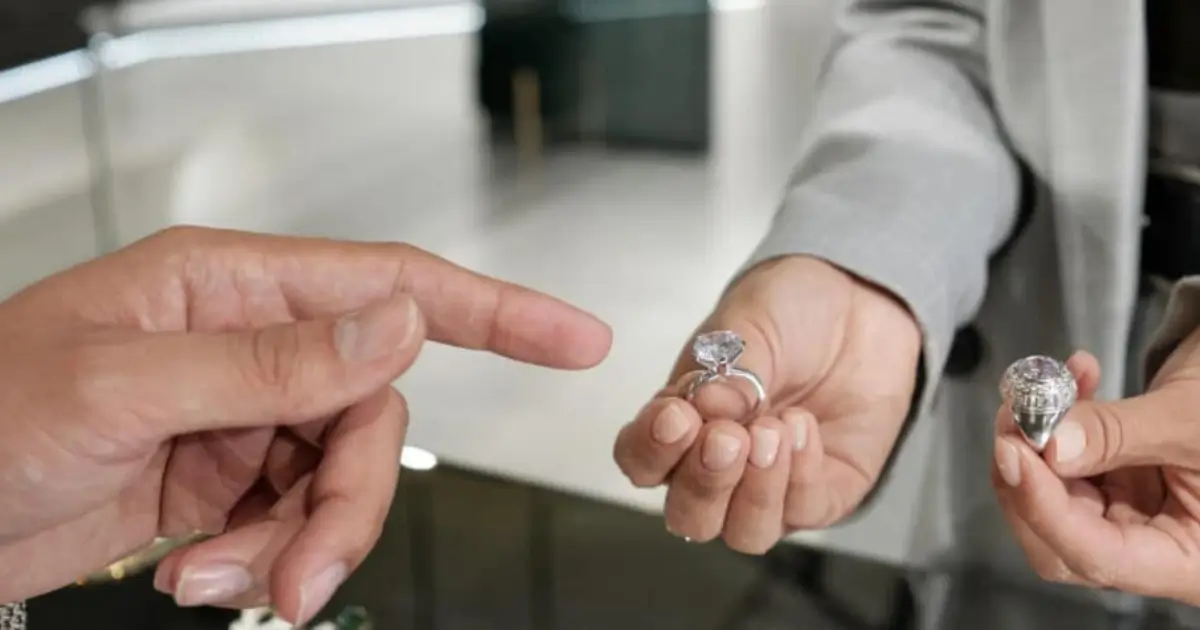
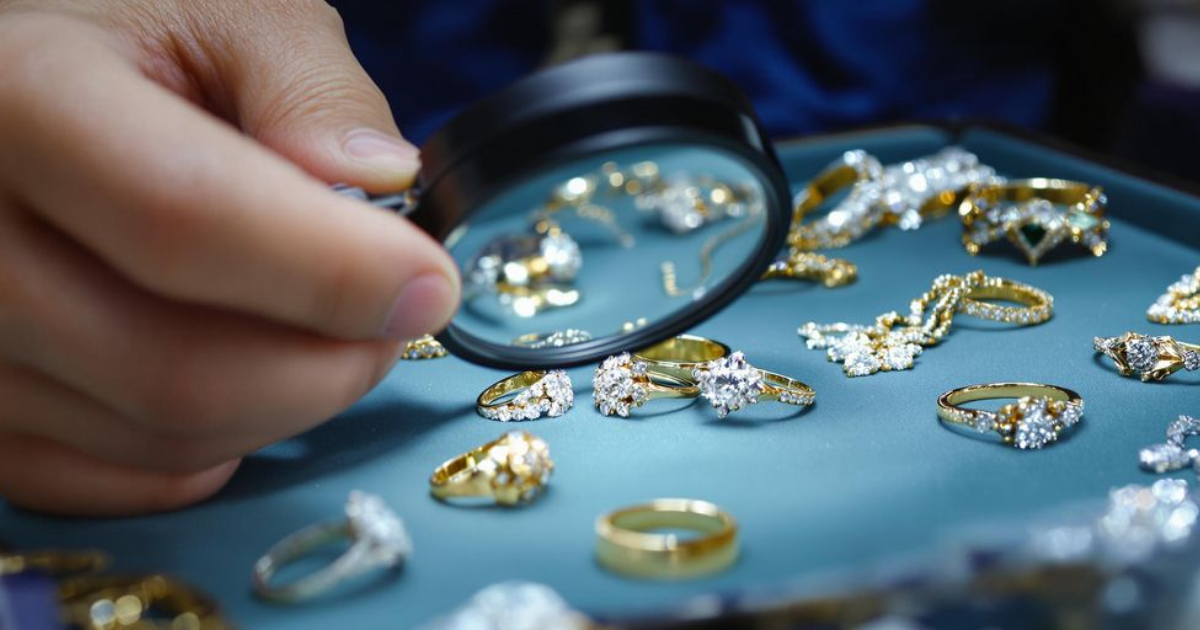
Professional gemologists use specialized equipment, such as spectrometers or microscopes, to confirm authenticity. So, if you’re trying to determine what natural diamonds look like, the safest bet is to get a professional evaluation.
Natural vs. Lab-Grown- The Key Difference
While both types are made of carbon and look identical to the naked eye, natural diamonds are products of time and nature, while lab-grown diamonds are products of innovation.
Natural diamonds were formed billions of years ago under conditions no lab can perfectly replicate. Each one carries a unique geological fingerprint, something that makes it truly irreplaceable.
If you’re holding a natural diamond, you’re holding a piece of Earth’s deep history, one that took unimaginable time and pressure to form. That’s what sets them apart.
Final Note
So, what do natural diamonds look like? They look like nature’s quiet perfection, raw, powerful, and full of character long before they’re polished. Every sparkle you see in a finished gem started as an unassuming stone, shaped by the planet itself.
If you own or have discovered a natural diamond and want to know its true worth, experts at Ayan Jewelry can help identify, evaluate, and appraise it. With deep expertise in both rough and refined stones, our specialists ensure you understand exactly what you have and why it’s so valuable.
Because when you hold a natural diamond, you’re holding more than beauty, you’re holding a fragment of Earth’s timeless artistry.